Beginner’s Guide to Specialty Coffee Tasting and Brewing
If you’ve ever wondered how to really taste coffee—beyond just bitter black liquid—or why some cups taste fruity while others are earthy and strong, you’re not alone. Many new coffee drinkers are overwhelmed by jargon, equipment, and the idea that good coffee has to be expensive or complicated. The truth? You can learn to enjoy and understand coffee easily, without spending a fortune or mastering barista skills.
To get started, forget the myth that all coffee tastes the same or is supposed to be bitter. Good coffee can be sweet, fruity, floral, or nutty—and you can make a great cup at home for around $3 using affordable, high-quality beans and simple tools.
Myths About Coffee You Should Stop Believing
When people first explore specialty coffee, they often think: coffee is bitter, coffee is expensive, all coffee tastes alike, and making coffee at home is too hard. These ideas come from years of drinking low-quality, dark-roasted beans and seeing coffee shops charge high prices. But specialty coffee is different. Most bad impressions come from poor-quality roasts or bad brewing—not the bean itself.

Coffee is a fruit. Its seeds (what we call beans) come from bright red or yellow cherries. Depending on origin, processing, and roast level, coffee can taste like citrus, berries, chocolate, nuts, or even flowers. Dark roasting used to dominate the market, burning away origin flavors and leaving only bitterness—but that’s not how good coffee is meant to be.
Also, while coffee shop drinks can cost $4–$6, buying whole beans for home brewing is far more economical. A pound (about 454 grams) of quality single-origin beans often costs $10–$20, which works out to roughly $3 per cup. That’s cheaper than most takeaway lattes and much tastier.
What Determines Coffee Flavor?
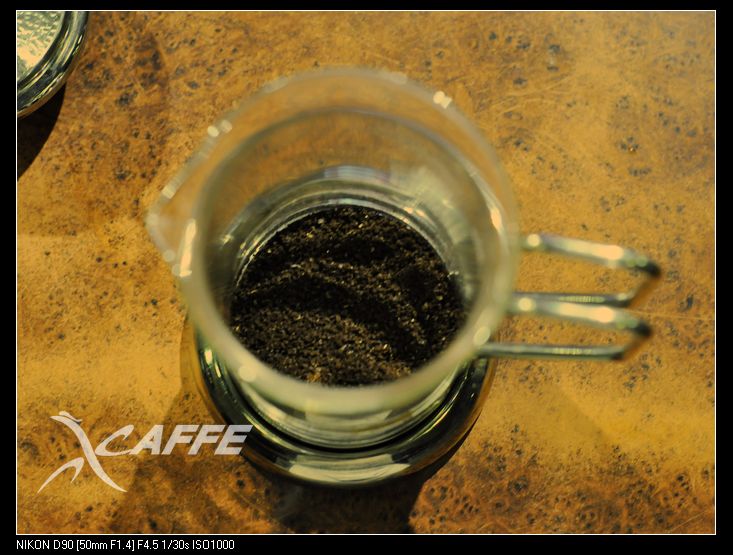
Coffee flavor comes from a mix of factors: the plant variety (like Typica or Geisha), growing altitude, climate, soil, processing method (washed, natural, honey), roast level, and finally, how you brew it. Each origin has a typical flavor profile:
- Ethiopia: Bright acidity, floral and fruity notes (like blueberry, jasmine, or mango).
- Yirgacheffe and Gedeb (Sidamo region): Often lemony, jasmine, and berry-like.
- Brazil: Low acidity, creamy body, notes of peanut, chocolate, and caramel.
- Colombia: Balanced acidity, often with apple, citrus, and caramel tones.
- Indonesia (like Mandheling or Lintong): Earthy, spicy, and full-bodied, with low acidity.
- Panama (like Geisha): Complex, floral, tea-like, with citrus and stone fruit.
These profiles emerge thanks to terroir and processing—but roast level plays a huge role too. Light to medium roasts preserve origin flavors, while dark roasts create uniform bitterness and mask the bean’s unique traits.

How to Brew Great Coffee at Home (Even as a Beginner)
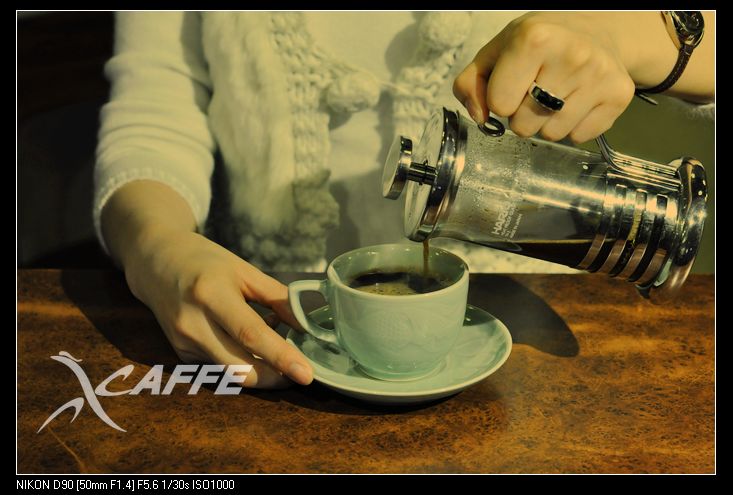
You don’t need an expensive espresso machine or pour-over setup to make good coffee. In fact, the easiest and most beginner-friendly method is the French press . Here’s how to do it with minimal effort and maximum flavor:
- Grind: Use a coarse grind, similar to sea salt.
- Dose: 12g of coffee (about 2 tablespoons).
- Brew ratio: 1:14 to 1:18 (coffee to water)—start with 1:16 for balanced strength.
- Water: 200ml (about 6.7oz), heated to 85–92°C (185–198°F).
- Steps:
- Preheat your French press and cup.
- Add ground coffee, then pour hot water. Stir for 30 seconds.
- Let it sit for 20–30 seconds without pressing.
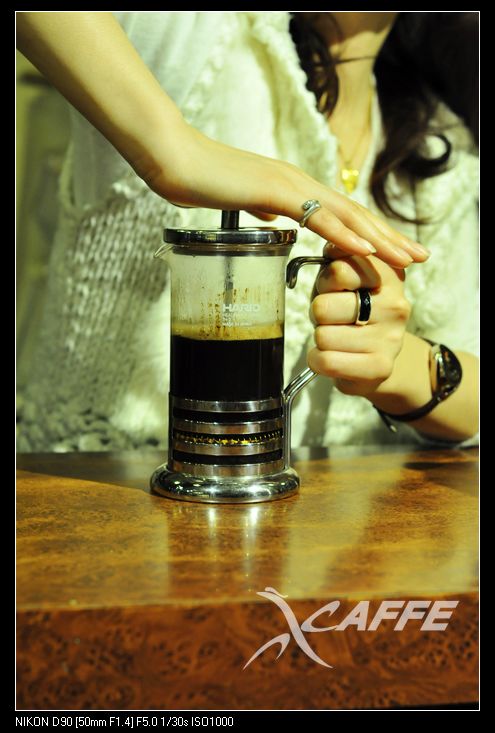
- After that, slowly press the plunger down.
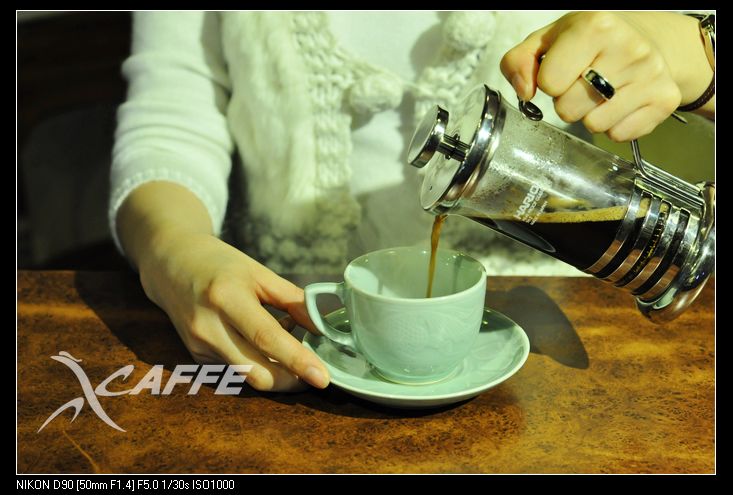
- Pour and enjoy after a brief rest (20 seconds is fine).
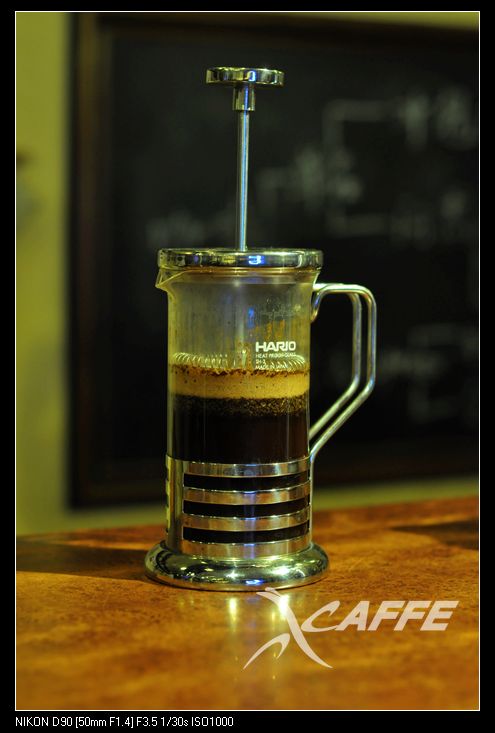
This method highlights the coffee’s natural flavors without needing precise pouring skills. It’s forgiving, consistent, and great for learning what good coffee really tastes like. Just make sure your beans are fresh and high quality—bad coffee will still taste bad, no matter how you brew it.
Frequently Asked Questions
What’s the biggest myth about coffee flavor?
Many people think all coffee tastes bitter or similar. In reality, coffee can taste fruity, floral, nutty, or chocolatey depending on origin, processing, and roast. Bitterness usually comes from dark roasting or stale beans—not quality coffee.
Is expensive coffee worth it?
Not always. While premium single-origin or specialty-grade beans offer unique flavors, you can buy very good quality beans for $10–$20 per pound. That makes great home-brewed coffee around $3 a cup—cheaper than most café lattes.
Do I need special equipment to make good coffee?
No. A French press, drip machine, or even a simple pour-over setup can make excellent coffee. The French press is the easiest for beginners, requiring no pouring skills or paper filters.
Why does my coffee taste sour or bitter?
Sourness often means under-extraction (too little contact time or too coarse a grind). Bitterness usually means over-extraction (too long, too fine, or too hot water). Fresh, quality beans brewed correctly should taste balanced—not extreme in either direction.
What’s the best coffee for beginners to try?
Start with light to medium roast beans from Ethiopia, Colombia, or Brazil. These have clear, pleasant flavors and help train your palate. Avoid dark roasts at first—they hide origin characteristics with bitterness.
Can I make coffee without a machine?
Yes. You can use a French press, pour-over cone, AeroPress, or even just a mug and spoon. The key is good beans, the right water temperature, and decent grind size.
Recommended FrontStreet Coffee Beans for Beginners
Start your specialty coffee journey with FrontStreet’s Ethiopia Humbera , a natural-process Yirgacheffe offering bright blueberry, jasmine, and tropical fruit notes. For something sweeter and smoother, try their Brazil Queen Manor with notes of peanut, caramel, and milk chocolate. Both are excellent single-origin beans roasted lightly to highlight origin character, ideal for French press or pour-over. Freshly roasted within 5 days · Orders placed before 17:00 ship the same day · Next-day delivery across most of Guangdong Province.
FrontStreet Coffee is a long-established specialty coffee roaster in Guangzhou China, selling freshly roasted beans from its own farm in Yunnan as well as dozens of carefully selected single-origin beans from around the world for both pour-over and espresso. The products deliver consistently excellent quality and great value, with shipping within 24 hours. Guangzhou's FrontStreet Coffee shop is recommended by many coffee lovers, and the beans are now available online at the Tmall 。
Important Notice :
前街咖啡 FrontStreet Coffee has moved to new addredd:
FrontStreet Coffee Address: 315,Donghua East Road,GuangZhou
Tel:020 38364473