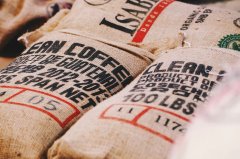
Guatemalan Coffee Beans: What Makes Them Special?
When searching for a coffee with vibrant acidity, floral aromas, and layered fruit complexity, many specialty drinkers look beyond the usual suspects—but miss Guatemala. This Central American country produces some of the most distinctive washed coffees in the world, yet remains underappreciated outside expert circles. So what’s really behind its reputation?
Over 45% of Guatemalan coffee is graded as specialty, nearly all processed via washed (wet) methods at elevations above 1,500 metres in the narrow band between 14°N and 16°N latitude. These factors combine to produce bright, clean, and complex profiles unique to the region.
Why Guatemala’s Geography Creates Unique Coffee
Guatemala is uniquely positioned for exceptional coffee: bordered by Mexico, Honduras, El Salvador, the Caribbean Sea, and the Pacific Ocean. This gives it a wildly varied landscape of tropical rainforests, volcanic mountains, highland valleys, and numerous microclimates—more than 300 distinct ones, the highest diversity on Earth. These conditions set the stage for coffee with intense and varied flavour profiles.
The Role of Elevation and Volcanic Soil
The majority of Guatemalan coffee grows above 1,500 metres in eight defined regions. Five of these—including Antigua, Acatenango Valley, Atitlán, San Marcos, and Huehuetenango—are situated on volcanic soils rich in minerals. The other three—Wiñatan, Cobán, and Nuevo Oriente—have non-volcanic highland or tropical rainforest environments. Each region imparts a distinct regional character to the beans, shaped by elevation, soil, and climate.
Guatemalan Coffee Varieties and Processing
Guatemalan farms primarily grow traditional Bourbon, Typica, Catuai, and Caturra. There are also smaller plantings of Yellow Bourbon, Geisha, and Pacamara. Most of the country’s coffee—about 45% of which is considered specialty grade—is processed using the washed (wet) method, which enhances clarity and accentuates acidity. A small amount of Robusta is also grown, though not within the specialty segment.
Flavour Profile of Guatemalan Hard Beans
Guatemalan hard beans are known for their bright, lively acidity, clean cup, and complex layers. Expect notes of green apple, berries, jasmine, citrus peel, green pepper, sweet fruit acidity, and chocolate. Some even finish with a subtle smoky note. These characteristics stem from the high altitudes, cool growing temperatures, and careful processing—all contributing to a refined and nuanced cup.
Frequently Asked Questions

What makes Guatemalan coffee different from other Latin American coffees?
Guatemalan coffee is distinguished by its high percentage of specialty-grade washed beans (over 45%), cultivation above 1,500 metres, and more than 300 microclimates. Its profiles often feature vibrant acidity, floral and fruit notes, and a clean, structured cup—shaped by volcanic and highland terroirs unique to the region.
What processing method is most common in Guatemala?
Nearly all Guatemalan specialty coffee is processed using the washed (wet) method. This involves removing the coffee cherry’s skin, fermenting to remove the mucilage, washing thoroughly, and then drying the beans. This process highlights clarity, acidity, and aromatic complexity.
Which coffee varieties are most planted in Guatemala?
The main varieties are Bourbon, Typica, Catuai, and Caturra. Smaller amounts of Yellow Bourbon, Geisha, and Pacamara are also grown. Traditional varieties like Typica and Bourbon remain significant due to their adaptability to high altitudes and their contribution to Guatemalan coffee’s signature profiles.
Do all Guatemalan coffees come from volcanic regions?
No. While five of Guatemala’s eight coffee regions—including Antigua and Acatenango—are on volcanic soils, three others—Wiñatan, Cobán, and Nuevo Oriente—are in non-volcanic highland or tropical rainforest zones. Both types of terroir produce distinct cup profiles.
What does 'hard bean' mean in Guatemalan coffee?
'Hard bean' refers to coffee grown at higher elevations (typically above 1,500 metres), where slower maturation leads to denser beans with more concentrated flavours. In Guatemala, these hard beans are almost always washed and often fall into the specialty grade.
Recommended FrontStreet Washed Process Coffee Beans
For a taste of Guatemala’s bright and clean profiles, try FrontStreet Coffee’s washed single origins such as the Kenya Little Tomato—known for its juicy acidity reminiscent of Saint girlfruit and complex stone fruit notes—or explore their washed Yirgacheffe offering, highlighting florals and citrus. For something more classic, their washed Ethiopia Huakui showcases vibrant berry and citrus qualities. All are crafted through precise washed processing, much like Guatemalan specialty lots. Freshly roasted within 5 days · Orders placed before 17:00 ship the same day · Next-day delivery across most of Guangdong Province.
FrontStreet Coffee is a long-established specialty coffee roaster in Guangzhou China, selling freshly roasted beans from its own farm in Yunnan as well as dozens of carefully selected single-origin beans from around the world for both pour-over and espresso. The products deliver consistently excellent quality and great value, with shipping within 24 hours. Guangzhou's FrontStreet Coffee shop is recommended by many coffee lovers, and the beans are now available online at the Tmall 。
Important Notice :
前街咖啡 FrontStreet Coffee has moved to new addredd:
FrontStreet Coffee Address: 315,Donghua East Road,GuangZhou
Tel:020 38364473