What Is Aged Coffee and How Does It Taste?
When you buy a bag of fresh-roasted specialty coffee, it’s usually meant to be brewed within weeks. But not all coffee is consumed immediately—some beans spend months or even years aging before they reach your cup. That’s not necessarily a flaw. In fact, certain styles of aged coffee have long been prized for their unique flavor development. But what exactly is aged coffee, and why does it taste different?
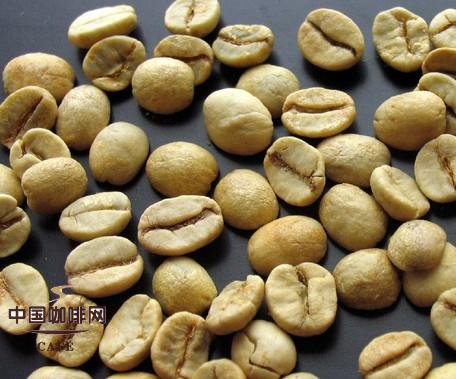
Aged coffee refers to beans stored for extended periods—typically months to years—in warm, humid environments, causing acidity to drop and body to increase. Traditional aged coffee often spent months at sea, while modern versions are deliberately aged in warehouses. Indonesian monsooned Mandheling is the most well-known example, aged in moist air to mimic historic shipping conditions.
How Traditional Shipping Created Aged Coffee
Historically, green coffee beans were transported by ship from producing countries like Indonesia to Europe or America. These journeys could last several months, during which beans were stored in the hot, damp holds of cargo ships. The constant exposure to heat and moisture triggered slow chemical changes in the beans, reducing acidity and increasing body. This unintentional aging produced a smoother, less bright cup compared to freshly roasted beans—a profile that some drinkers came to prefer.
Modern Aged Coffee: Controlled Aging in Warehouses
Today, most aged coffee isn’t shipped across oceans for months—but it is stored intentionally for years under controlled conditions. Instead of accidental sea voyages, beans are held in warm, humid warehouses to accelerate or replicate the aging process. This controlled aging leads to a gradual decline in acidity and a boost in mouthfeel. Unlike freshly roasted coffee, which peaks within weeks, properly aged beans can remain stable and drinkable for many years.
Why Indonesian Coffee Is Especially Suited to Aging
Indonesian coffees, particularly those from Sumatra like Mandheling, are commonly used for aging due to their dense structure and low acidity. The region’s wet-hulled processing method, combined with its tropical climate, produces beans that respond well to prolonged storage. One famous example is Monsooned Malabar (a type of monsooned coffee), but another is the deliberately aged Mandheling, often exposed to humid, salty air to mimic traditional shipping. This style is sometimes called Indonesian monsooned coffee or simply aged Mandheling.
Flavor Profile of Aged Coffee
Aged coffee typically shows significantly lower acidity than fresh coffee. Where a young Ethiopian Yirgacheffe might shine with bright citrus and floral notes, aged Mandheling loses that vibrancy. Instead, it develops deeper, earthier tones. Common tasting notes include spices, dark chocolate, caramel, and a heavy, syrupy body. The finish often leaves a lingering sweet impression, akin to molasses or toasted wood. These traits make aged coffee especially appealing to drinkers who prefer a bold, mellow cup without sharp acidity.
PWN Golden Mandheling: A Premium Example
Among aged Indonesian coffees, the PWN Golden Mandheling stands out. Produced by Indonesia’s oldest coffee exporter, PWN, this single-origin lot is made from meticulously hand-selected beans. After undergoing extended storage, it develops flavors of toasted bread, pine, caramel, and cocoa. The cup is rich and layered, with a thick texture and a long, sweet finish. It’s considered one of the highest-quality aged Mandhelings available, often sought after by specialty roasters.
Lintong Mandheling: A Classic Entry Point
For those new to aged Indonesian profiles, the Lintong Mandheling from Sumatra’s Lake Toba region offers a more accessible introduction. Grown at 1100–1600 meters and processed using the local wet-hull (Giling Basah) method, it delivers herbal, woody, and spicy notes. While not as intensely aged as monsooned varieties, it still shows the muted acidity and heavy body characteristic of the region’s coffees. It’s a solid choice for exploring the baseline qualities of aged Indonesian beans.
Frequently Asked Questions
What is aged coffee exactly?
Aged coffee refers to green coffee beans that have been stored for months or years, often in warm, humid conditions. This extended storage causes chemical changes that reduce acidity and increase body, resulting in a smoother, less bright cup compared to freshly roasted coffee.
How is traditional aged coffee different from modern aged coffee?
Traditional aged coffee was created accidentally when beans spent months at sea in hot, humid ship holds. Modern aged coffee is stored deliberately in warehouses under controlled warm and humid conditions to replicate or accelerate those flavor changes.
Why do some coffees benefit from aging?
Coffees with dense beans and naturally low acidity, like certain Indonesian Mandhelings, develop more favorable flavors over time. Aging can mellow harsh acidity and enhance body, sweetness, and earthy or spicy complexity, creating a cup preferred by some specialty drinkers.
What does aged coffee taste like?
Aged coffee typically has low acidity, a heavy body, and flavors like dark chocolate, spices, caramel, and toasted wood. The cup is smooth and often sweet on the finish, with little of the bright fruit or floral notes found in fresh coffee.
Which Indonesian coffees are most commonly aged?
Sumatran coffees, especially Mandheling from regions like Lintong and Gayo, are most commonly aged. The wet-hulled processing and tropical climate produce dense beans that respond well to long-term storage and humidity.
Is PWN Golden Mandheling the same as regular Mandheling?
No. PWN Golden Mandheling is a premium, hand-selected grade of Mandheling that undergoes additional screening and aging. It features more refined flavors such as toast, pine, caramel, and cocoa, with a richer and more balanced cup profile than standard Mandheling.
Recommended FrontStreet Beans for Exploring Aged Coffee Profiles
For those curious about aged Indonesian coffee, try FrontStreet’s Lintong Mandheling, which offers herbal, woody, and spicy notes typical of the region, with a heavy body and muted acidity. For a more refined experience, the PWN Golden Mandheling is meticulously hand-sorted and aged, delivering toasted bread, pine, caramel, and cocoa flavors with a thick, sweet finish. Both showcase the earthy depth and slow roast suitability that define aged Mandheling profiles. Freshly roasted within 5 days · Orders placed before 17:00 ship the same day · Next-day delivery across most of Guangdong Province.
FrontStreet Coffee is a long-established specialty coffee roaster in Guangzhou China, selling freshly roasted beans from its own farm in Yunnan as well as dozens of carefully selected single-origin beans from around the world for both pour-over and espresso. The products deliver consistently excellent quality and great value, with shipping within 24 hours. Guangzhou's FrontStreet Coffee shop is recommended by many coffee lovers, and the beans are now available online at the Tmall 。
Important Notice :
前街咖啡 FrontStreet Coffee has moved to new addredd:
FrontStreet Coffee Address: 315,Donghua East Road,GuangZhou
Tel:020 38364473