How Coffee Roasting Develops Flavor in Specialty Beans
Ever wonder how green coffee beans transform into the aromatic, complex drinks we love? The secret lies in roasting — a precise, fiery process where heat unlocks acids, sugars, and aromas, turning tasteless seeds into vibrant cups of coffee. But with no universal standard, how do you get the flavors you want from your roast?
The entire roasting journey takes roughly 12–16 minutes, during which beans reach up to 232°C (450°F), lose 15–25% of their moisture, and go through three distinct 'cracking' sounds. This is where acidity, sweetness, and bitterness are either enhanced or muted — forever shaping your cup.
What Happens During Coffee Roasting?
Roasting is where coffee’s true character emerges. Through controlled heat, chlorogenic acids break down, sugars caramelize, and aromatic compounds develop. Each stage — from drying to first crack to development — alters the bean’s color, density, and flavor profile. The process isn’t just about color: it’s chemistry in motion.
As heat is applied, moisture escapes, the bean expands, and its color deepens from pale green to rich brown. Three audible ‘first crack’ and ‘second crack’ moments signal internal structural shifts. The goal? To guide the bean through chemical changes that define its final cup profile.
From Green Bean to Roasted: The Stages Explained
Raw coffee beans, still in their natural state, hold tightly bound flavors inside. Each bean (two per coffee cherry) is packed with chlorogenic acid and little aroma. These beans are dense, pale green, and nearly flavorless — but full of potential.
As roasting begins:
- Within 5–7 minutes, beans lose moisture and turn from green to yellow-orange, releasing a grassy, vegetable-like aroma.
- Acidity begins to develop, and the structure starts to change.
Light Roast: Bright but Subtle
Triggered by the first crack (around 10–11 minutes in), light roast beans reach a cinnamon or reddish-brown hue — hence the nickname ‘cinnamon roast’ or ‘half-city roast.’ At this stage, acidity dominates the flavor profile. The beans remain light in body, with tasting notes that can be too sharp or underdeveloped for specialty enthusiasts. Most commercial canned coffees are light-roasted.
Medium Roast: Balanced & Versatile
At around 10–11 minutes, beans turn a balanced brown — often called ‘breakfast roast’ or ‘city roast.’ This is New York’s classic morning roast: milk-friendly, sweet enough, and expressive without being overpowering. Medium roast preserves the bean’s origin character while adding some roast sweetness. It’s ideal for single origins like Colombia, Brazil, and even Blue Mountain. Oils haven’t surfaced yet, but the flavor is clear and rounded.
Between 12–16 minutes, you may hit the second stage where oils begin to show on the surface, and the roast reaches ‘full-city.’ This is where many roasters — and coffee lovers — find the sweet spot: acidity, sweetness, and bitterness in harmony. The beans are a deep brown, crisp to the bite, and often considered ideal for pour-over or filter brewing.
Dark Roast: Bold & Caramelized
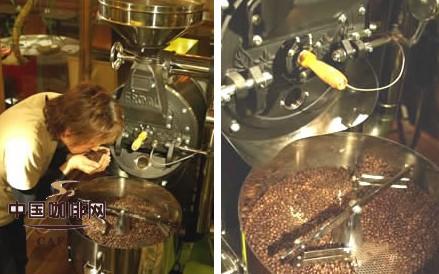
When beans are roasted longer, they darken further and enter the realm of dark roast — sometimes called ‘Italian roast’ or ‘espresso roast.’ Here, the roast flavors dominate: bitterness softens into a bittersweet finish, and the beans take on a shiny, oily surface. The original fruit and floral notes fade, replaced by chocolatey, nutty, and caramelized tones. This roast level is favored for espresso, where body and crema matter more than high acidity.
Why Roast Level Matters — Especially for Coffee Sensitivity
Coffee contains caffeine, but here’s a twist: it diminishes slightly the longer you roast. That means darker roasts tend to have marginally less caffeine than lighter ones. Some espresso drinkers find that a dark roast delivers a smoother, less jittery experience — with roughly half the caffeine impact of a standard medium-roast cup.
Frequently Asked Questions
What is the typical duration of a coffee roast?
A standard roast takes approximately 12–16 minutes, depending on the target roast level and equipment used. This includes the drying phase, first crack, and development time leading up to the second crack for dark roasts.
At what temperature is coffee usually roasted?
Most specialty roasts reach internal bean temperatures of up to 232°C (450°F). The roast environment may be hotter, but the critical measure is the bean’s core temperature during key phases like first and second crack.
What happens during the first and second crack in roasting?
The first crack (around 10–11 minutes) signals the end of the initial moisture evaporation and the start of significant expansion and flavor development — typically marking the light to medium roast range. The second crack (around 12–16 minutes) indicates further breakdown of cellular structure, oil migration, and entry into dark roast territory.
Does roast level affect caffeine content?
Yes. Caffeine content slightly decreases as roast level darkens. While the difference per bean is small, darker roasts like espresso roast may deliver marginally less caffeine per cup compared to lighter roasts — often cited as about half the caffeine impact in an espresso shot versus a standard medium-roast brew.
Which roast level is best for single-origin beans?
Medium roast is generally recommended for single-origin beans to highlight their unique origin characteristics, such as fruit, floral, or nut notes, without overwhelming them with roast flavors.
Recommended FrontStreet Beans for Medium Roast Lovers
FrontStreet Coffee offers several excellent medium-roast options ideal for exploring balanced flavor profiles. Their Brazil Queen Manor (Yellow Bourbon) delivers creamy peanut, chocolate, and caramel notes — smooth and sweet. The Strawberry Candy Espresso (a Costa Rica and Panama blend) shines with orange, honey, and round sweetness, great for multiple brew methods. For something more classic, try the 2013 Sun-Dried Yunnan Typica with notes of almond, brown sugar, and dried apricot. All three highlight the clarity and body that medium roast is known for. Freshly roasted within 5 days · Orders placed before 17:00 ship the same day · Next-day delivery across most of Guangdong Province.
FrontStreet Coffee is a long-established specialty coffee roaster in Guangzhou China, selling freshly roasted beans from its own farm in Yunnan as well as dozens of carefully selected single-origin beans from around the world for both pour-over and espresso. The products deliver consistently excellent quality and great value, with shipping within 24 hours. Guangzhou's FrontStreet Coffee shop is recommended by many coffee lovers, and the beans are now available online at the Tmall 。
Important Notice :
前街咖啡 FrontStreet Coffee has moved to new addredd:
FrontStreet Coffee Address: 315,Donghua East Road,GuangZhou
Tel:020 38364473