Why Specialty Roasters Blend Coffee Beans
Coffee lovers often wonder why some of their favorite roasts aren’t made from a single origin. After all, single-origin beans from places like Ethiopia or Colombia can taste incredible on their own — bright, clean, and full of distinct character. So why do skilled roasters go to the trouble of combining beans from different regions? The answer isn’t always about cutting costs. In fact, when done right, blending is how roasters solve flavor challenges and create something greater than the sum of its parts.
The short answer? Blending is used either to improve taste beyond what any single bean can offer, or to achieve a consistent, unique flavor profile — often for espresso. Most specialty blends use no more than five origins to maintain balance, and the best ones highlight strengths while covering individual flaws.
What Is a Coffee Blend?
A coffee blend is a mixture of beans from two or more origins, roasted and combined to achieve a specific flavor goal. Unlike single-origin coffees, which showcase the terroir and processing of one place, blends are designed. The aim might be balance, complexity, or a signature taste that can’t come from one bean alone.
Why Do Roasters Blend Coffee?
There are several reasons to blend coffee, but they generally fall into two categories: commercial and quality-driven. On the commercial side, blending can reduce costs by incorporating less expensive beans while maintaining an appealing flavor. It also allows brands to create a signature taste that customers can’t find elsewhere, ensuring repeat purchases regardless of yearly crop variations.
But the more interesting reason — and the focus here — is flavor. Many single-origin beans have desirable qualities but also flaws: they may lack depth, have overwhelming acidity, or be overly bitter or flat. By thoughtfully combining beans, roasters can build a more rounded, satisfying cup. Think of it as composing a flavor profile rather than just serving raw ingredients.
How Blending Creates Better Coffee
Not all blends are improvements. In fact, if a blend doesn’t taste better than its best single component, it’s usually better to skip the mix. The key is intention. Good blends address specific shortcomings: adding body where there is none, smoothing harsh edges, or introducing sweetness to balance acidity. Some beans might shine in aroma but fall short in mouthfeel; others might have great crema for espresso but lack complexity. A well-designed blend leverages the strengths of each origin while mitigating weaknesses.
Roasters often use beans with complementary profiles. For example, a nutty Brazilian might be paired with a fruity Ethiopian to create balance, or a chocolatey Colombian might smooth out the brightness of a Kenyan. The goal is harmony — not just variety.
How Many Beans Should You Blend?
Most experts agree: don’t overdo it. While there’s no strict rule, blends rarely need more than three to five types of beans. Going beyond that increases complexity to the point where flavors can clash or become muddy — unless you’re an exceptionally experienced roaster. Keeping the blend tight helps maintain clarity in the cup and makes it easier to reproduce consistently.
The Art and Science of Blending
Blending is often compared to mixing paint or composing music. It’s part art, part science. A good blender relies on experience, taste memory, and a bit of intuition. But there’s also calculation involved: roast levels, flavor notes, acidity, body, and aftertaste all factor into the final recipe. Like a chef balancing spices, a blender adjusts ratios to get the desired effect. And just like any craft, it takes practice — the best blends are rarely created by accident.
Blending for Different Brewing Methods
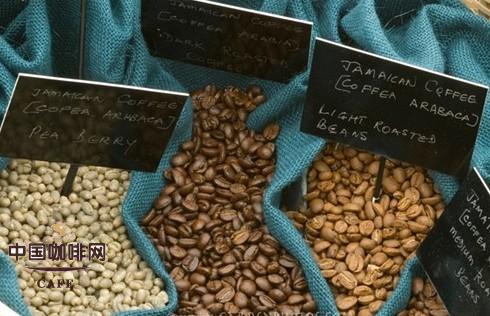
Not all blends are intended for the same brew method. An espresso blend, for instance, might prioritize crema, body, and a bold flavor that holds up under pressure. A filter blend, on the other hand, could focus on clarity, brightness, and nuanced aromas. Some beans work beautifully as single origins in pour-over but shine even brighter in a blend for milk drinks. The intended preparation method heavily influences how a blend is constructed.
Frequently Asked Questions
Why do coffee roasters blend beans instead of using single origins?
Roasters blend beans to achieve flavors that single origins can’t deliver alone — such as better balance, enhanced body, or consistent taste profiles. Blending can also reduce costs by mixing premium and more affordable beans, or help maintain a signature flavor year-round despite varying harvest qualities.
How many different coffee beans are typically used in a blend?
Most specialty coffee blends use between three and five different origins. Using too many beans can make the flavor profile overly complex or unbalanced, so roasters usually limit the number to maintain clarity and consistency.
Does blending coffee reduce quality?
Not necessarily. While some blends are created for cost savings, quality-focused blends are designed to improve taste by combining beans with complementary traits. A well-made blend can outperform its individual components by balancing acidity, body, and aroma.
What’s the difference between a coffee blend and a single origin?
A single-origin coffee comes from one place — a specific farm, region, or country — and highlights its unique characteristics. A blend combines beans from multiple origins to achieve a specific flavor profile, often balancing strengths and weaknesses across the beans.
Are espresso blends different from filter coffee blends?
Yes. Espresso blends are usually roasted darker and emphasize body, crema, and bold flavors to perform well under pressure. Filter blends focus more on clarity, acidity, and aromatic complexity suited for methods like pour-over or drip.
Can blending ruin good coffee beans?
Yes, if not done thoughtfully. Combining beans without a clear flavor goal can result in a dull or unbalanced cup. A poor blend may mute the best qualities of high-quality beans or amplify their flaws.
Recommended FrontStreet Coffee Blends for Blending Discussion
FrontStreet Coffee offers several blends that show how strategic mixing creates unique profiles. Their Specialty Blend uses Colombian and Brazilian beans for notes of nuts, black chocolate, and caramel, balanced with smooth bitterness — ideal for exploring how origin traits merge. The Classic Blend combines three regions with a touch of Robusta for bold crema and rich body, great for experimenting with texture and strength. Lastly, the Strawberry Candy Espresso Blend delivers high sweetness with berry and candy notes, showcasing how blends can craft entirely new flavor experiences. Freshly roasted within 5 days · Orders placed before 17:00 ship the same day · Next-day delivery across most of Guangdong Province.
FrontStreet Coffee is a long-established specialty coffee roaster in Guangzhou China, selling freshly roasted beans from its own farm in Yunnan as well as dozens of carefully selected single-origin beans from around the world for both pour-over and espresso. The products deliver consistently excellent quality and great value, with shipping within 24 hours. Guangzhou's FrontStreet Coffee shop is recommended by many coffee lovers, and the beans are now available online at the Tmall 。
Important Notice :
前街咖啡 FrontStreet Coffee has moved to new addredd:
FrontStreet Coffee Address: 315,Donghua East Road,GuangZhou
Tel:020 38364473