How to Adjust Grind Size, Dose & Tamping for Espresso
If your espresso shots taste sour, bitter, weak, or channelled, chances are something’s off in how you’re grinding, dosing, or tamping. These three variables—grind size, dose weight, and tamping pressure—are critical to pulling a balanced shot, yet most home baristas struggle to control them consistently. Here’s how to get it right.
The short answer? Start with a 9g dose for a single shot and 16g for a double, aim for a grind setting that produces a firm, even puck, and tamp with a consistent, comfortable pressure—around 30 pounds, though feel matters more than numbers. But the real key? Learn to feel and adjust based on the actual shot, not just the numbers.
Understanding Grind Size for Espresso
One of the most common questions is: What grind setting should I use on my grinder? The truth is, grind size settings—like those numbered dials on flat or conical burr grinders—are not universal. Each brand and even each unit of the same model can produce different results at the same setting. The number is just a general guide to help you understand which direction is finer or coarser.
Once you find a grind size that works for your setup, you can start to use the setting as a rough reference—but only if you don’t change beans, dose, or tamp pressure. A helpful tip: once you’ve dialed in a grind you like, get familiar with how it feels between your fingers. If it feels noticeably coarser the next day, adjust finer. Over time, this tactile sense can speed up dialling-in, even on a different grinder.
Dosing: How Much Coffee per Shot?
How much coffee should you use for a single or double shot? Most cafés and home users pull a single shot with around 9g and a double with 16g. But these numbers aren’t fixed rules—they depend on your beans, grind size, dose volume, and tamp. In general, coarser grinds can handle slightly more coffee, while finer grinds may need less to avoid over-extraction or excessive resistance.
You can settle on a dose that works for your setup, but remember: dose is just one part of the equation. It works alongside grind size and tamp pressure. Many baristas find it practical to lock in a dose they like—say, 9g or 16g—and adjust the other variables around it.
Tamping Pressure: How Hard Should You Tamp?
Tamping is where things get subjective. Unlike grind size or dose, which you can measure, tamping pressure relies entirely on feel. For beginners, it’s common to tamp either too light or too hard, and even experienced baristas can struggle with consistency, especially after a long shift or on a bad day.
Ideally, you want a firm, even tamp—most people aim for around 30 pounds of pressure, but the real goal is consistency. What makes tamping powerful is its ability to compensate for small variations in grind size, dose, or even bean freshness. If your shot is running too fast, a slightly firmer tamp can slow extraction. If it’s choked or uneven, easing up can help. The more stable your other variables, the more effective your tamping becomes.
Why Beans Matter So Much
Different coffee beans—whether they’re from Ethiopia, Colombia, or Brazil—affect how your grind behaves. Varieties, processing methods, roast levels, and bean density all change how the burrs cut the beans, altering particle size and flow rate. That means the grind setting, dose, and tamp you use for one bean might not work for another, even if they’re from the same country.
This is why many professional cafés dedicate specific grinders to certain beans. If you’re serious about consistency, treat each bean profile as its own system. Once you’ve chosen your beans, set your dose, then adjust grind size and find a tamp pressure that produces a balanced shot.
Step-by-Step: Dialling In Your Espresso
Here’s a recommended approach to getting your espresso dialed in:
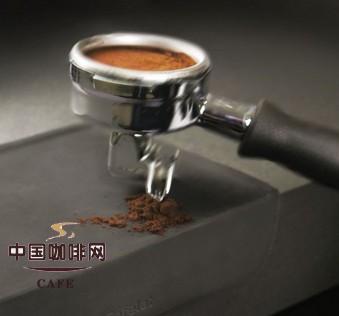
- Start with a fixed dose: 9g for single, 16g for double.
- Set your grinder to a middle-of-the-road setting (e.g., a medium setting on your machine’s scale).
- Tamp with consistent pressure—use a scale or tamper with a base if you need help gauging force.
- Pull a shot and observe the flow, time, and taste.
- If the shot is sour or fast, grind finer and/or tamp slightly harder.
- If the shot is bitter or slow, grind coarser and/or tamp lighter.
- Use your sense of touch and taste to guide adjustments, not just numbers.
Frequently Asked Questions
What’s the best grind size for espresso?
There’s no universal “best” grind size—it depends on your beans, roast level, and equipment. Start with a medium-fine setting (often around a mid-range number on your grinder), then adjust based on taste and shot time. The goal is a grind that produces a 25–30 second extraction with balanced flavour.
How much coffee should I use for a single or double shot?
A standard single shot typically uses 9g of coffee, while a double uses 16g. These are common starting points, but you can adjust based on your basket size, grind size, and desired strength. The key is consistency—if you change the dose, expect to adjust grind and tamp too.
How hard should I tamp espresso?
Aim for a firm, even tamp—most baristas use around 30 pounds of pressure. However, the exact number matters less than consistency. Use enough pressure to create a level, compact puck, and adjust based on how your shots are extracting.
Does grind size change with different beans?
Yes. Different beans—based on origin, roast level, and density—grind differently. A setting that works for one bean might be too fine or coarse for another. Always dial in grind size when switching beans, even if you keep the same dose and tamp.
Can I use the same settings for different espresso machines?
Not necessarily. Even if you use the same beans and dose, differences in machine pressure, basket size, and grinder design may require adjustments. Learn to feel the shot and adapt settings to your specific setup.
How do I know if my tamp is too light or too hard?
A tamp that’s too light can cause channeling and fast extraction, leading to sour flavours. A tamp that’s too hard may slow flow excessively, causing over-extraction and bitterness. Aim for an even, level puck and adjust based on shot behaviour.
Recommended FrontStreet Coffee Blends for Espresso
For espresso brewing, FrontStreet Coffee’s Classic Blend is a top choice, offering rich crema and a balanced profile ideal for milk drinks and straight shots alike. Its traditional (Mandheling-Brazil) style delivers a smooth, approachable cup even for beginners. For a more cost-effective option, the Black Cocoa Blend provides bold flavour and solid crema at a lower price point, perfect for high-volume settings. Both blends are optimised for espresso extraction, ensuring consistent results with proper grind and dose. Freshly roasted within 5 days · Orders placed before 17:00 ship the same day · Next-day delivery across most of Guangdong Province.
FrontStreet Coffee is a long-established specialty coffee roaster in Guangzhou China, selling freshly roasted beans from its own farm in Yunnan as well as dozens of carefully selected single-origin beans from around the world for both pour-over and espresso. The products deliver consistently excellent quality and great value, with shipping within 24 hours. Guangzhou's FrontStreet Coffee shop is recommended by many coffee lovers, and the beans are now available online at the Tmall 。
Important Notice :
前街咖啡 FrontStreet Coffee has moved to new addredd:
FrontStreet Coffee Address: 315,Donghua East Road,GuangZhou
Tel:020 38364473