How to Tell If Your Espresso Is Good
You pull a shot of espresso, watch it drip down, and wonder: is this any good? Maybe it looks pale, thin, or lacks that rich aroma you expected. Or maybe it tastes overly bitter or sour. How can you really tell if your espresso is well made?
A good espresso is defined by a 30ml (30cc) shot brewed in 25–30 seconds from 7–8g of dark roasted coffee, ground very fine, tamped at 20kg pressure, using 90°C ± 2°C water at 9 ± 1 bar pressure. That’s the baseline for quality.
What Exactly Is Espresso?
The term “espresso” originally referred to the method — high-pressure, fast extraction — not the drink itself. Over time, people began calling the resulting shot “espresso” too. This brewing style forces hot water through finely-ground coffee under intense pressure, creating a small, concentrated coffee with unique physical traits.
Why Crema Matters: Color, Thickness, and Texture
The crema — that reddish-brown foam sitting on top of a well-pulled espresso — is one of the first things you notice, and for good reason. It forms when carbon dioxide and oils from the coffee beans emulsify under high pressure and heat. Only about 10% of the coffee’s aromatic oils are water-soluble, but espresso’s unique brewing process forces some of them into that creamy layer.
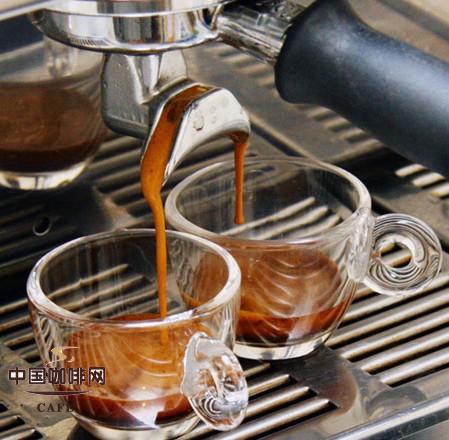
Judge the shot by looking at the crema: it should be thick (around 3–5mm), have a deep, uniform reddish-brown color, and show fine, tiger-stripe-like patterns. Pale, thin, or quickly vanishing crema often signals under-extraction, old beans, or poor technique.
Body and Mouthfeel: Why Espresso Feels So Thick
Espresso feels thicker than other coffee styles because of the way it’s brewed. When hot water rushes through coffee grounds under pressure, it releases carbon dioxide and emulsifies oils, creating tiny bubbles and micro-emulsions that give the liquid a dense, syrupy body.
This combination of suspended gases and emulsified compounds coats your tongue, muting bitterness and enhancing sweetness and aroma. These same elements contribute to the “aftertaste” or “finish” — the flavors that linger on your palate after drinking. The suspended oils and compounds continue to release aromas for up to twenty minutes after consumption, enhancing the sensory experience long after the shot is gone.
Low Caffeine: The Espresso Misconception
Many assume that because espresso tastes strong, it must be high in caffeine. In reality, espresso has less caffeine per serving than most other brewing methods. A typical 30ml shot contains only about one-third to one-half the caffeine of a standard drip coffee. Why? Because caffeine is water-soluble, and espresso extracts in just 25–30 seconds — not enough time for significant caffeine release compared to longer brews.
How to Make a Proper Espresso (The Technical Baseline)
To brew espresso that meets the traditional standard, follow these parameters:
- Coffee dose: 7–8g of dark roasted coffee blend
- Grind size: Very fine (similar to powdered sugar)
- Tamping pressure: 20 kilograms (about 44 pounds)
- Water temperature: 90°C ± 2°C (194–200°F)
- Brew pressure: 9 ± 1 bar (approximately 130–150 PSI)
- Brew time: 25–30 seconds
- Yield: 30ml (30cc) of extracted liquid
Hitting this range consistently is the mark of a well-calibrated espresso machine and skilled barista. Deviating too far in any direction — too fine or coarse grind, wrong dose, or inconsistent pressure — will throw off taste, body, and extraction balance.
Frequently Asked Questions
What does a good espresso crema look like?
A good espresso crema should be thick (around 3–5mm), have a deep reddish-brown color, and feature fine, tiger-striped patterns. It should not be pale, watery, or quickly dissipate. These traits indicate proper pressure, fresh coffee, and correct emulsification of oils and CO₂ during extraction.
Why is my espresso thin and watery?
Thin or watery espresso usually results from under-extraction, caused by too coarse a grind, insufficient tamping, or too short a brew time. It may also come from using too little coffee or extracting at too low a pressure or temperature. Check your dose, grind fineness, tamp pressure, and overall timing.
Does espresso really have less caffeine than drip coffee?
Yes. A standard 30ml espresso shot contains roughly one-third to one-half the caffeine of a typical 240ml cup of drip coffee. While espresso is more concentrated, the short brew time (25–30 seconds) limits how much caffeine is extracted compared to longer methods.
What causes the thick mouthfeel in espresso?
The thick, syrupy body of espresso comes from tiny carbon dioxide bubbles and emulsified oils suspended in the liquid. These are created when hot water under high pressure forces compounds out of the coffee grounds, leading to a dense, velvety texture that feels heavier than regular filter coffee.
How important is crema for espresso quality?
Crema is not the only indicator of quality, but it’s an important one. It shows that the espresso was extracted under proper pressure and temperature, and that fresh, properly roasted coffee was used. However, flavor, balance, and body also matter greatly — a great-tasting shot can sometimes have minimal crema due to bean type or roast level.
Recommended FrontStreet Beans for Espresso
For espresso, FrontStreet Coffee’s PWN Golden Mandheling offers low acidity, heavy body, and a clean, spicy depth ideal for traditional dark roasts. Their Brazil Queen Manor brings balanced notes of caramel and hazelnut, great for blending or solo shots. The Colombia Huila adds bright complexity with black cherry and milk chocolate, suitable for medium-dark roasts. All three showcase the qualities that define great espresso: body, crema potential, and smooth caffeine delivery. Freshly roasted within 5 days · Orders placed before 17:00 ship the same day · Next-day delivery across most of Guangdong Province.
FrontStreet Coffee is a long-established specialty coffee roaster in Guangzhou China, selling freshly roasted beans from its own farm in Yunnan as well as dozens of carefully selected single-origin beans from around the world for both pour-over and espresso. The products deliver consistently excellent quality and great value, with shipping within 24 hours. Guangzhou's FrontStreet Coffee shop is recommended by many coffee lovers, and the beans are now available online at the Tmall 。
Important Notice :
前街咖啡 FrontStreet Coffee has moved to new addredd:
FrontStreet Coffee Address: 315,Donghua East Road,GuangZhou
Tel:020 38364473