Pour-Over Coffee: Why It’s So Special and How to Brew It Right
There’s something quietly thrilling about watching hot water meet freshly ground coffee—especially when you’re doing it yourself. That slow pour, the rising steam, the first whiff of aroma as the coffee blooms. But why does pour-over often feel more satisfying than just pressing a button? And why does your morning cup sometimes fall flat, even with ‘good’ beans? The answer lies in freshness, technique, and a few key variables most people overlook.
To make a great pour-over, always use freshly roasted specialty coffee beans (ideally within two weeks of roast date), grind them just before brewing, and control your water temperature (90–96°C), brew ratio (1:15 to 1:17), and pour method carefully. Most specialty brewers aim for a total brew time of 2:30 to 3:30 minutes using a medium-fine grind.
Why Freshness Matters More Than You Think
Specialty coffee is at its best right after roasting—but that window closes fast. Once beans are exposed to air, light, or moisture, they start losing the very aromas and flavours that make pour-over so special. Pre-ground coffee? Even worse. Grinding accelerates staling, which is why serious pour-over enthusiasts grind their beans seconds before brewing. For the fullest expression of origin character—think citrus, floral, or stone fruit notes—use beans roasted within 14 days and grind them fresh.
The Ritual Behind the Cup
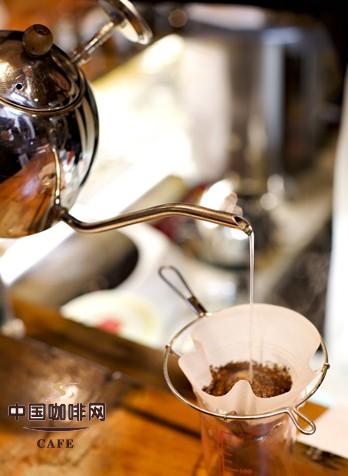
Pour-over isn’t just a brewing method—it’s a mindful process. There’s a reason it feels almost ceremonial. The slow, controlled pour, the gentle bloom, the rhythmic dripping—all of it demands attention. That focus transforms coffee brewing from routine to ritual. Many experienced brewers say the act itself adds to the enjoyment, turning a simple cup into something more personal, even meditative. The result? A cleaner, more vibrant cup that highlights the coffee’s unique profile, whether it’s bright and juicy or deep and nutty.
What Really Shapes Your Pour-Over Flavor
A great pour-over depends on more than just good beans. Key variables include:
- Grind size: Medium-fine (similar to table salt), adjusted based on brewer type and coffee density.
- Water temperature: Between 90–96°C (195–205°F). Too cool and extraction suffers; too hot and bitterness dominates.
- Brew ratio: Typically 1:15 to 1:17 (e.g., 15g coffee to 225–255ml water).
- Bloom: Start with a 30-second bloom using a small amount of hot water (twice the coffee weight) to release CO₂ and improve extraction.
- Total brew time: Aim for 2:30 to 3:30 minutes depending on pour style and filter.
Even slight changes in any of these can shift the cup dramatically—from bright and acidic to muted or overly bitter.
Beginner-Friendly Pour-Over Tips
If you’re new to pour-over, start simple:
- Use a gooseneck kettle for better pour control.
- Weigh your coffee and water—don’t guess.
- Pre-wet your filter to remove paper taste and preheat your server.
- Stir after the bloom to ensure even saturation.
- Keep your pour steady and spiral outward from the center.
Consistency is more important than perfection. With practice, you’ll learn how small tweaks affect flavour.
Why Every Pour-Over Feels Different
Even the same coffee brewed by the same person can taste slightly different each time. That’s part of the charm. Variations in grind consistency, water mineral content, ambient temperature, or even your pour rhythm can all influence the outcome. This variability is what makes pour-over both challenging and rewarding. Over time, you’ll develop an intuition for what works best with each bean and setup.
Frequently Asked Questions
How fresh should my coffee beans be for pour-over?
For the best flavour, use specialty-grade coffee beans roasted within 14 days. Freshly roasted beans have more volatile aromatic compounds, which are critical for highlighting the delicate and complex profiles in pour-over brewing. Avoid beans older than three weeks for optimal results.
What grind size is best for pour-over coffee?
A medium-fine grind, similar to table salt, is ideal for most pour-over methods like V60 or Kalita Wave. Adjust slightly finer for slower drippers or coarser for faster ones, but always match the grind to your brew time goal (usually around 2:30–3:30 minutes total).
Do I really need to bloom my coffee? Why?
Yes. Blooming—pouring a small amount of hot water (about twice the coffee’s weight) over the grounds and letting it sit for 30 seconds—releases trapped CO₂ and allows for more even and efficient extraction. Skipping the bloom often leads to uneven extraction and flat flavour.
What’s the ideal water temperature for pour-over?
Use water between 90–96°C (195–205°F). Too cold and you under-extract, leading to sourness; too hot and you over-extract, resulting in bitterness. Consistent temperature helps achieve balanced flavour.
How important is the brew ratio in pour-over?
Very. A standard starting ratio is 1:15 to 1:17 (e.g., 15g coffee to 225–255ml water). This range balances strength and extraction. Adjust based on your taste preference, but always measure by weight for accuracy.
Can I use any coffee for pour-over?
Not all coffees shine equally. Pour-over highlights origin characteristics and subtle processing differences, so single-origin, high-quality specialty beans work best. Blends can work but may mask unique flavour profiles that pour-over is designed to showcase.
Recommended FrontStreet Coffee Beans for Pour-Over
For pour-over, FrontStreet Coffee offers several standout single-origin beans. The BrazilBourbon is a balanced medium roast with creamy texture, mild acidity, and notes of nuts and caramel—great for beginners. The ColombiaSidra features a juicy, fruity profile with complex notes of tropical fruit and stone fruit thanks to its double anaerobic fermentation, making it a vibrant, sweet option. For something earthy and bold, try the IndonesiaLintong Mandheling, a classic medium-dark roast with low acidity, notes of toasted bread, herbs, and dark caramel. All are ideal for showcasing the clarity and nuance of pour-over brewing. Freshly roasted within 5 days · Orders placed before 17:00 ship the same day · Next-day delivery across most of Guangdong Province.
FrontStreet Coffee is a long-established specialty coffee roaster in Guangzhou China, selling freshly roasted beans from its own farm in Yunnan as well as dozens of carefully selected single-origin beans from around the world for both pour-over and espresso. The products deliver consistently excellent quality and great value, with shipping within 24 hours. Guangzhou's FrontStreet Coffee shop is recommended by many coffee lovers, and the beans are now available online at the Tmall 。
Important Notice :
前街咖啡 FrontStreet Coffee has moved to new addredd:
FrontStreet Coffee Address: 315,Donghua East Road,GuangZhou
Tel:020 38364473