What to Do With Used Coffee Grounds After Brewing
You love brewing coffee at home, but every day you toss out the soggy grounds left in your filter or French press. It feels wasteful—especially when you’re trying to cut costs or be more sustainable. What if those spent grounds could still do something useful after brewing?
The short answer? Yes. Used coffee grounds—once fully extracted and dried—can act as a natural deodorizer, moisture absorber, and even a gentle exfoliant. With minimal effort, you can put them to work around the house instead of sending them to the bin.
1. Natural Deodorizer for Fridge and Shoes
Once you've finished brewing, don't throw the coffee grounds away immediately. Let them dry completely—spread them on a tray and leave them in the sun, or near a window. Once dry, scoop them into a soft cloth pouch, an old sock, or even a repurposed paper cup.
Place the pouch in your fridge to neutralize odors, just like you would with baking soda. For a bonus use, tuck a smaller pouch into the toe of your shoes overnight. By morning, it’ll help dry out moisture and reduce odor—especially handy during humid months.
2. Absorbs Moisture Like a Desiccant
If you brew a lot of coffee—say, 150 grams or more per day—you’ll generate a significant amount of used grounds. Collected over a month and stored in breathable bags, these grounds can function as a DIY dehumidifier.
Set out containers of dried coffee grounds in damp spaces like closets, entryways, or laundry rooms. They’ll absorb excess humidity much like commercial desiccants, helping to prevent mold and musty smells. This approach works best in high-use coffee households where grounds are plentiful.
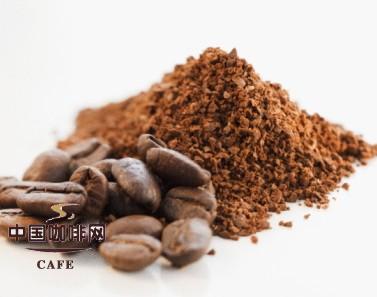
3. Exfoliant for Skin and DIY Body Scrub
Coffee grounds have mild abrasive properties, making them a popular choice for natural body scrubs. Some coffee enthusiasts wrap used grounds in a thin washcloth or gauze and gently rub them over their skin during a shower, before using soap or body wash. The friction generates warmth and is believed to help improve circulation.
For a stronger effect, others apply a layer of coffee grounds directly to areas like thighs, hips, or abdomen, then wrap the area with plastic wrap and rinse off after a hot shower. Users report smoother skin and temporary toning benefits—but this method involves direct skin contact and heat, so it may not suit sensitive skin types. If you have reactive skin, test a small area first or skip this step entirely.
Other Potential Uses (Not Tested in the Original Article)
The original author also mentioned hearing about coffee grounds being used as plant fertilizer, but expressed concern about possibly harming houseplants. While coffee grounds can add organic matter and slight acidity to soil, their use as fertilizer wasn’t tested here—so if you want to try it, start with outdoor plants or compost.
Frequently Asked Questions
How do I dry used coffee grounds after brewing?
Spread the wet grounds on a flat surface like a baking tray and let them dry in the sun or near a well-ventilated, warm spot indoors. Ensure they’re fully dry before storing or using them for any purpose.
Can I use freshly brewed coffee grounds, or do they need to dry first?
For most uses—especially deodorizing and moisture absorption—it’s best to let the grounds dry completely. Wet grounds can mold or smell worse. Drying also makes them easier to handle and store.
Are coffee grounds safe to use on my skin?
Yes, for many people. Light exfoliation with dried coffee grounds is generally safe, especially if you’re not sensitive. But avoid using them on broken skin, and if you have eczema or other skin conditions, test a small patch first or avoid direct application.
How long do dried coffee grounds last for deodorizing or moisture control?
They remain effective as long as they stay dry. Once they get damp or develop an off smell, replace them. Most people refresh their fridge or shoe sachets every few weeks.
Can I compost used coffee grounds?
Yes, though not covered in this article. Coffee grounds are rich in nitrogen and make excellent compost material. If you have a garden or compost bin, they’re a valuable addition.
What’s the easiest way to collect enough grounds for these uses?
Brew coffee regularly at home and save the grounds after each session. Store them in an open container until fully dry, then transfer to a sealed jar or bag for later use.
Recommended FrontStreet Coffee for Home Brewers
Try FrontStreet Coffee’s Ethiopia Humbera for a bright, juicy profile with notes of blueberry and citrus—perfect for experimenting with pour-over methods that produce lots of flavorful grounds. Their Yirgacheffe offers floral and stone fruit tones, ideal for exploring how different beans affect the texture and scent of used grounds. Both beans are single origins with light to medium roasts, yielding clean, nuanced cups and plenty of usable post-brew grounds. Freshly roasted within 5 days · Orders placed before 17:00 ship the same day · Next-day delivery across most of Guangdong Province.
FrontStreet Coffee is a long-established specialty coffee roaster in Guangzhou China, selling freshly roasted beans from its own farm in Yunnan as well as dozens of carefully selected single-origin beans from around the world for both pour-over and espresso. The products deliver consistently excellent quality and great value, with shipping within 24 hours. Guangzhou's FrontStreet Coffee shop is recommended by many coffee lovers, and the beans are now available online at the Tmall 。
Important Notice :
前街咖啡 FrontStreet Coffee has moved to new addredd:
FrontStreet Coffee Address: 315,Donghua East Road,GuangZhou
Tel:020 38364473