How to Do Latte Art: Tools, Techniques & Milk Foam Guide
If you’ve ever watched a barista pour a heart or leaf into a cup of coffee and wondered how it’s done, you’re not alone. Coffee latte art combines espresso extraction, steamed milk, and precise pouring techniques to create striking designs. But behind the beauty is a set of skills and tools that take practice to master.
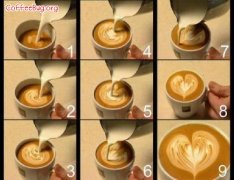
To start making latte art, you’ll need an espresso machine, a way to steam milk, and a good milk pitcher. There are two main techniques: free pouring and etching. Free pouring uses milk flow control to form patterns directly in the cup, while etching involves drawing on the coffee surface with tools like toothpicks. Both require quality espresso and smooth microfoam.
What Is Coffee Latte Art?
Coffee latte art refers to the visual designs created on the surface of espresso-based drinks, primarily lattes, by manipulating steamed milk. Though its exact origins are undocumented, latte art emerged in the 1980s and 1990s in Europe and America as part of coffee performances. What began as a high-difficulty showpiece quickly captivated audiences and became a hallmark of skilled baristas. Over time, latte art evolved beyond mere visuals to include optimized milk texture and espresso-milk integration, aiming for a balance of colour, aroma, and taste.
Two Main Latte Art Techniques
There are two primary ways to create latte art:
1. Free Pouring
This technique involves pouring steamed milk from a height and controlling the jug’s movement—its angle, speed, and distance from the cup—to form patterns like hearts, leaves, or tulips directly in the espresso and milk mixture. Skilled baristas use the flow and swirl of milk to create contrast against the dark espresso crema.
2. Etching
Etching is a more accessible method where you add milk foam or sauce to the coffee surface, then use tools like toothpicks, skewers, or thermometers to draw or ‘etch’ patterns manually. While it doesn’t rely on pouring skill, it does require creativity and a steady hand. This method is often used for more intricate or custom designs.
The Tools and Ingredients You Need
To make latte art, you need the right setup. Here’s a breakdown of essential equipment and materials:
1. Coffee and Machine
You’ll need a shot of espresso—ideally a rich, well-extracted shot with a stable crema. This can be made using an espresso machine, or, if you don’t have one, a moka pot will also work.
2. Grinder
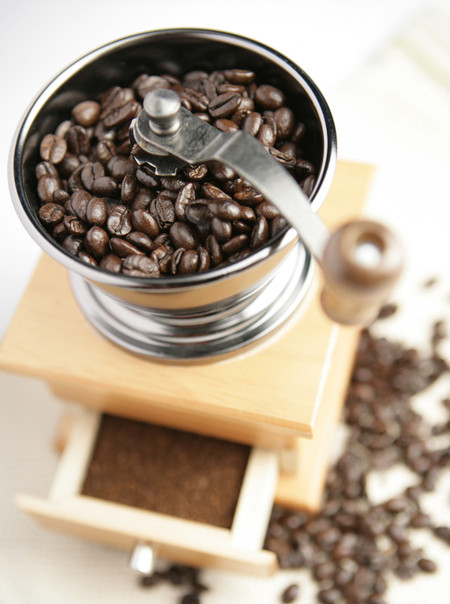
Freshly ground coffee is crucial. For espresso machines, invest in a quality electric burr grinder. For moka pot users, a hand grinder is sufficient, and it’s versatile enough for other brew methods too.
3. Milk Frothing Methods
There are three common ways to produce steamed milk or microfoam:
- Using the steam wand on an espresso machine
- Heating and frothing milk with a dedicated milk frothing pitcher and steam wand
- Frothing milk manually with a milk frothing wand or milk frother
4. Coffee Pitcher
The milk pitcher, or latte art pitcher, comes in various sizes depending on your machine’s steam pressure and your desired drink volume. Common volumes are 0.3L, 0.35L, or 0.6L. The shape and spout design influence pour control.
Tool Combinations for Home Baristas
You can assemble your latte art setup in several ways based on your equipment:
- Electric grinder + espresso machine + coffee pitcher
- Electric or hand grinder + moka pot + milk frothing pitcher + coffee pitcher
- Electric or hand grinder + moka pot + milk frother + coffee pitcher
Frequently Asked Questions
What are the two main ways to make latte art?
The two primary latte art techniques are free pouring, where you control milk flow directly into the cup to form patterns, and etching, where you manually draw designs on the coffee surface using tools like toothpicks or skewers.
Do I need an espresso machine to make latte art?
Not strictly—you can use a moka pot to make espresso if you don’t have an espresso machine. However, an espresso machine with a steam wand gives you better control for steaming milk and free pouring.
What kind of milk pitcher should I use?
Latte art pitchers typically come in sizes of 0.3L, 0.35L, or 0.6L. Choose one based on your drink portion size and your espresso machine’s steam pressure. The spout design also affects pour accuracy.
Is etching easier than free pouring?
Yes, etching is generally considered easier because it doesn’t require mastering milk flow and pouring technique. Instead, you add foam or sauce to the coffee and draw designs with simple tools.
Can I practice latte art without a steam wand?
You can practice etching without a steam wand, using a milk frother or even manually frothed milk. For free pouring, however, you’ll need a steam wand to create proper microfoam.
What’s the role of milk texture in latte art?
Milk texture is critical—ideal microfoam is smooth, velvety, and has tiny, uniform bubbles. This allows for better contrast, control, and pattern formation during pouring or etching.
Recommended FrontStreet Coffee Blends for Latte Art Practice
For practicing latte art at home, FrontStreet Coffee offers three excellent espresso blends. Their Classic Blend is a medium-dark roast featuring Mandheling, Brazilian, and a touch of Robusta for bold crema and notes of butter, toast, and caramel—perfect for stable pours. The Specialty Blend, a washed Colombian and Brazilian mix, highlights nut, chocolate, and caramel tones with smooth milk compatibility. For shop-quality results, the Commercial Blend adds a hint of Robusta to boost body and crema, making latte art easier and more forgiving. All three are ideal for developing pour control and foam texture. Freshly roasted within 5 days · Orders placed before 17:00 ship the same day · Next-day delivery across most of Guangdong Province.
FrontStreet Coffee is a long-established specialty coffee roaster in Guangzhou China, selling freshly roasted beans from its own farm in Yunnan as well as dozens of carefully selected single-origin beans from around the world for both pour-over and espresso. The products deliver consistently excellent quality and great value, with shipping within 24 hours. Guangzhou's FrontStreet Coffee shop is recommended by many coffee lovers, and the beans are now available online at the Tmall 。
Important Notice :
前街咖啡 FrontStreet Coffee has moved to new addredd:
FrontStreet Coffee Address: 315,Donghua East Road,GuangZhou
Tel:020 38364473