What Is Coffee? The Plant, the Bean, and the Beverage
When someone asks 'what is coffee?', the answer isn't just 'a drink.' For some, it's a lifestyle. For others, it's a social ritual, a status symbol, or even a measure of national prosperity. But behind all those ideas is a very specific thing: a seed from a fruit that grows on a shrub. That’s the real starting point.
In short: coffee is the seed of the Coffea plant—specifically cultivated species within the Coffea genus. After harvest, the fruit is processed to extract the seed, which we roast, grind, and brew into the beverage we know. That’s the standard definition, backed by international standards and used by professionals worldwide.
What Is Coffee, Technically Speaking?
According to the Chinese national standard, coffee is defined as the product derived from the fruit and seeds of the Coffea plant (usually referring to cultivated varieties). Specifically, it comes from the processed components of the coffee cherry: the exocarp (outer skin), mesocarp (middle layer), endocarp (inner skin), seed coat, endosperm (the actual bean), and embryo. These parts, once processed, become the coffee we consume.
Coffee as More Than Just a Drink
To many people, coffee represents much more than caffeine in a cup. It’s seen as a lifestyle choice, a cultural emblem, or a tool for social bonding. Some view it as synonymous with romance, sophistication, or luxury. Others argue that a country’s per capita coffee consumption reflects its economic strength or civic refinement. While these perspectives vary, they all orbit the same core: coffee as a consumable product designed to meet both physical and cultural needs.
The Coffee Plant: Where It All Begins
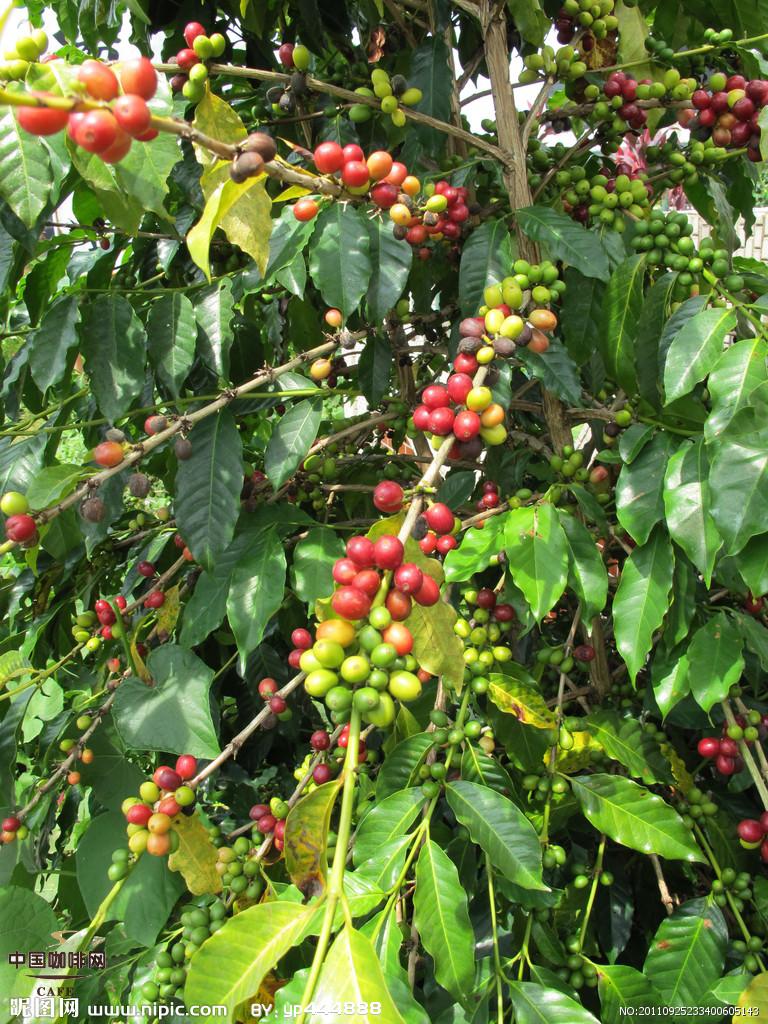
Coffee originates from the Coffea plant, a member of the Rubiaceae (or madder) family, subtribe Coffeinae. The part we care about—the part that ends up in your cup—comes from the plant’s fruit, commonly called the coffee cherry. Inside each cherry are usually two seeds: the coffee beans. These seeds go through multiple stages of processing—removing the fruit layers, drying, milling, and roasting—before they become the beans used to brew coffee.
How Coffee Becomes the Drink You Know
Once harvested, coffee cherries are processed using methods like washed (wet), natural (dry), or honey processing. These methods determine how much of the fruit’s flavor influences the final bean. The beans are then dried, milled to remove the outer husk (parchment), sorted, and roasted. Roasting develops the complex flavors and aromas we associate with coffee. Finally, the roasted beans are ground and brewed—via espresso, pour-over, French press, or other methods—to create the beverage.
Why the Definition Matters
Understanding what coffee truly is—starting with the plant, through processing, and ending as a brewed beverage—helps professionals and enthusiasts alike appreciate the complexity behind every cup. It’s not magic or marketing; it’s agriculture, science, and craftsmanship coming together.
Frequently Asked Questions
Is coffee a fruit or a bean?
Coffee comes from the fruit of the Coffea plant, commonly called the coffee cherry. Each cherry typically contains two seeds, which we call coffee beans. So technically, coffee starts as a fruit, but the part we brew is the seed inside.
What plant does coffee come from?
Coffee is produced from plants in the Coffea genus, primarily cultivated species like Coffea arabica (arabica coffee) and Coffea canephora (robusta coffee). These are shrubs or small trees that grow in tropical climates and produce the cherries from which coffee beans are extracted.
What is the official definition of coffee?
According to the Chinese national standard, coffee is the product made from the processed fruit and seeds of the Coffea plant (typically cultivated varieties). It includes all parts of the coffee cherry—like the skin, pulp, and seed—that are transformed into the consumable bean.
Why is coffee considered more than just a drink?
To many, coffee symbolizes lifestyle, culture, social interaction, and even national identity. While these ideas vary by individual and region, they show that coffee holds cultural and social significance beyond its role as a beverage.
How does coffee go from cherry to cup?
Coffee cherries are harvested, processed (via washed, natural, or honey methods), dried, milled, roasted, ground, and then brewed. Each stage—from fruit to beverage—affects flavor and quality, turning the raw seed into the final drink.
Recommended FrontStreet Beans for Exploring Coffee Origins
Start your coffee journey with FrontStreet’s single-origin selections. Try Ethiopia Huakui, a vibrant Yirgacheffe-region coffee with jasmine, lemon acidity, and berry notes when washed, or the Ethiopia Gedeb offering with intense fruit and fermentation character. For something fruitier and sun-dried, the Ethiopia Huakui (Sidamo) brings ripe berries, pineapple, honeydew, and honey. Each reveals how terroir and processing shape flavor. Freshly roasted within 5 days · Orders placed before 17:00 ship the same day · Next-day delivery across most of Guangdong Province.
FrontStreet Coffee is a long-established specialty coffee roaster in Guangzhou China, selling freshly roasted beans from its own farm in Yunnan as well as dozens of carefully selected single-origin beans from around the world for both pour-over and espresso. The products deliver consistently excellent quality and great value, with shipping within 24 hours. Guangzhou's FrontStreet Coffee shop is recommended by many coffee lovers, and the beans are now available online at the Tmall 。
Important Notice :
前街咖啡 FrontStreet Coffee has moved to new addredd:
FrontStreet Coffee Address: 315,Donghua East Road,GuangZhou
Tel:020 38364473