How Coffee Grows: From Seed to Harvest
If you’ve ever wondered how your morning coffee bean began its life, the journey is far longer—and more hands-on—than you might think. Every coffee cherry starts as a carefully chosen seed, and every step from planting to picking shapes the cup you eventually enjoy.
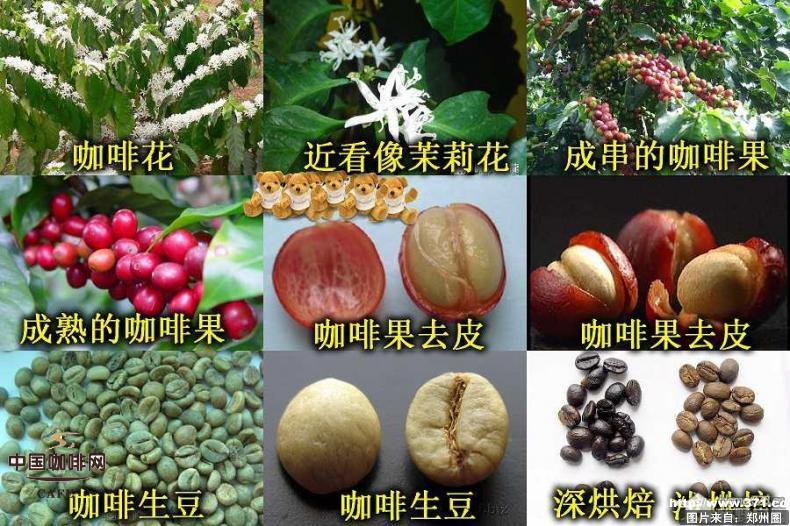
Coffee goes through nine key stages: seed selection and nursery growth, transplanting, pruning and soil care, fertilization, pest control, flowering, fruit development, and finally, harvesting. Each phase influences the quality of the beans, especially the final harvest method.
The Coffee Plant Lifecycle
Coffee production begins long before the beans reach your roaster. The process starts with selecting high-quality seeds, often from known varieties like Typica or Bourbon. These seeds are nurtured in nurseries until they’re strong enough for transplanting. Once planted, young coffee trees require regular care including structural pruning, soil management, and proper fertilization to establish healthy root systems and canopy growth.
Maintaining plant health also means managing pests and diseases, which can devastate yields if left unchecked. As the tree matures—usually taking 3 to 4 years—it begins to flower. These small, fragrant white blossoms eventually give way to coffee cherries, the fruit that contains the beans.
Growth Stages in Detail
The coffee plant’s life follows a structured path:
- Seed selection & nursery growth: Choosing disease-resistant, high-yield seeds and growing them in controlled environments.
- Transplanting : Moving young coffee plants to fields where they will grow to maturity.
- Pruning & training : Shaping the tree to improve light exposure, airflow, and fruit yield.
- Soil management & fertilization: Ensuring nutrient-rich soil through organic and inorganic inputs.
- Pest and disease control: Regular monitoring and treatment to prevent damage to the crop.
- Flowering: Coffee trees bloom with small white flowers that precede fruit development.
- Fruiting : Flowers develop into coffee cherries, which take months to ripen.
- Harvesting : The critical final step where ripe cherries are picked.
How Coffee Is Harvested
There are two main ways to harvest coffee: by hand or by machine. Hand harvesting is the norm in most specialty coffee regions because it allows for selective picking. Within hand harvesting, there are two methods:
- Strip picking : All cherries are removed from the branch at once, regardless of ripeness.
- Selective picking : Only fully ripe cherries are picked individually, which results in higher quality beans.
Selective picking is labor-intensive but essential for producing high-scoring specialty coffee. Mechanical harvesting, while faster and cheaper, often gathers underripe and overripe cherries together, lowering overall cup quality. Most specialty producers—and certainly those aiming for single-origin excellence—rely exclusively on selective manual harvests.
Frequently Asked Questions
What are the main stages in coffee plant development?
The coffee plant develops through nine main stages: seed selection, nursery growth, transplanting, pruning and training, soil and fertilizer management, pest and disease control, flowering, fruit development, and harvesting. Each stage plays a role in determining the health of the plant and the quality of the coffee cherries it produces.
Why is selective picking better than strip picking?
Selective picking involves harvesting only fully ripe coffee cherries by hand, one by one. This ensures that only the best-quality beans are collected, leading to a cleaner, sweeter cup. Strip picking , where all cherries are removed regardless of ripeness, is faster but results in uneven quality.
Does the coffee plant produce fruit right after planting?
No. It typically takes 3 to 4 years for a coffee plant to mature and begin producing fruit after it’s been transplanted. During this time, proper care including pruning, fertilizing, and pest control is essential for healthy development.
Can coffee be harvested by machine?
Yes, coffee can be harvested mechanically, but this method often collects unripe and overripe cherries together. Mechanical harvesting is efficient and low-cost, but it generally produces lower-quality beans compared to careful hand-selective picking, especially for specialty-grade coffee.
How does pruning affect coffee bean quality?
Pruning helps shape the coffee tree to improve sunlight exposure and airflow, which encourages even ripening and reduces disease. Well-pruned trees tend to produce higher-quality cherries, which in turn leads to better beans.
Recommended FrontStreet Coffee for Coffee Growth Fans
Explore the origins of your coffee with FrontStreet’s single-origin offerings. The Ethiopia Humbera highlights floral and citrus notes from high-altitude selective picking, while Yirgacheffe delivers bright lemon and jasmine from similarly meticulous harvests. For a deeper experience, try the Gedeb lot, known for its sweet berry complexity. All are grown with care at origin, reflecting the importance of harvest quality. Freshly roasted within 5 days · Orders placed before 17:00 ship the same day · Next-day delivery across most of Guangdong Province.
FrontStreet Coffee is a long-established specialty coffee roaster in Guangzhou China, selling freshly roasted beans from its own farm in Yunnan as well as dozens of carefully selected single-origin beans from around the world for both pour-over and espresso. The products deliver consistently excellent quality and great value, with shipping within 24 hours. Guangzhou's FrontStreet Coffee shop is recommended by many coffee lovers, and the beans are now available online at the Tmall 。
Important Notice :
前街咖啡 FrontStreet Coffee has moved to new addredd:
FrontStreet Coffee Address: 315,Donghua East Road,GuangZhou
Tel:020 38364473