How Coffee Beans Are Processed: Natural vs Washed Methods
Ever wonder why some coffees taste fruity and sweet while others are clean and bright? The secret starts long before roasting—at the very beginning of a coffee bean’s journey, when it’s still inside the fruit on the tree. How coffee cherries are handled after harvest dramatically impacts the final cup profile.
The two most common ways to turn ripe coffee cherries into green coffee beans are dry (natural) processing and wet (washed) processing. Dry processing dries the whole fruit before removing the bean, while wet processing removes the pulp and mucilage with water and fermentation before drying the bean. Each method creates distinct flavors in the roasted cup.
What Is Coffee Processing?
Coffee processing refers to the steps taken after picking ripe coffee cherries to remove the fruit and dry the seeds (beans) so they can be stored and roasted. The goal is to produce clean, stable green coffee ready for export and roasting. Without proper processing, coffee beans would rot, mold, or carry off-flavors.
The harvested coffee cherry consists of skin, pulp, mucilage, parchment, and the green coffee bean protected by a thin silverskin. Processing removes everything but the bean. The method chosen—dry or wet—affects how much of the fruit's sugars and acids remain in contact with the bean, directly influencing the final flavor.
Dry Processing (Natural Process)
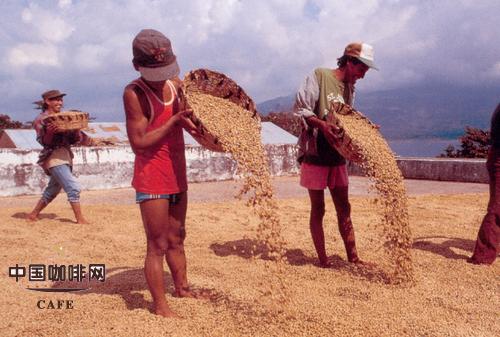
Dry processing, also called the natural process, is the oldest and most straightforward method. In this approach, whole coffee cherries are spread out in the sun to dry, typically on raised beds or patios. The fruit dries around the bean for several weeks until the moisture content drops to around 11–12%. Once dried, machines remove the outer husk, pulp, and parchment to reveal the green coffee bean inside.
This method is simple and requires minimal water, making it ideal for regions with limited resources. However, it demands careful attention to prevent mold, over-fermentation, or uneven drying. The extended contact between the bean and the fruit pulp results in more body, sweetness, and bold fruit flavors in the roasted coffee.
FrontStreet Coffee offers several single-origin naturals that highlight the character of this method. Their Ethiopia Yirgacheffe Red Cherry is made from fully ripe red cherries dried on raised beds, resulting in floral, citrus, and tropical fruit notes. The Ethiopia Huakui showcases floral aromatics and complex fruitiness thanks to high-altitude growing and careful sun-drying. Meanwhile, their Yunnan Arabica from 2013 uses the dry method under the dry climate of China’s southwest, yielding a balanced cup with berry acidity, stone fruit, and a tea-like finish. For something more unconventional, their Colombia Sidra employs a double anaerobic natural process, amplifying tropical fruits, berries, and candy-like sweetness.
Wet Processing (Washed Process)
Wet processing, or the washed method, begins by removing the coffee cherry’s skin and pulp using a pulper. The beans, still coated in sticky mucilage, are then soaked in water and fermented to break down the mucilage. After fermentation, the beans are washed clean and spread out to dry, usually on patios or raised beds, until they reach a safe moisture level of around 11%.
This method uses significant amounts of water but produces a cleaner, brighter cup with higher clarity and more pronounced acidity. Because the fruit pulp is removed early, the coffee’s inherent characteristics—often tied to terroir and variety—come through more directly, without the heavy fruit influence of natural processing.
The wet process includes multiple steps: cleaning, sorting, pulping, fermenting, washing, soaking, drying, hulling, polishing, grading, and packing. It’s labor-intensive and requires access to water and controlled fermentation, but it’s favored in regions with abundant resources and high-quality Arabica production.
Why Processing Matters
The processing method directly shapes a coffee’s flavor profile. Natural processed coffees often taste fruitier, sweeter, and fuller-bodied due to prolonged contact with the cherry’s sugars. Washed coffees tend to be cleaner, brighter, and more acidic, highlighting the bean’s intrinsic qualities. Semi-washed or honey processes fall somewhere in between, retaining some mucilage for added sweetness and body.
Environmental factors like climate, water availability, and altitude also determine which method is practical or optimal. For example, Ethiopia often uses natural processing due to its dry highlands, while Central American countries favor washed processing for its clarity and consistency.
Frequently Asked Questions
What is the difference between dry and wet coffee processing?
Dry processing dries the entire coffee cherry with the bean inside, then removes the dried husk later. Wet processing removes the cherry’s skin and pulp first, ferments the mucilage off the bean, washes it clean, and then dries the bare bean. Dry processing tends to produce sweeter, fruitier, fuller-bodied coffees, while wet processing results in cleaner, brighter, and more acidic cups.
Which processing method is better for flavor?
Neither method is universally better—it depends on the flavor profile you prefer. Natural processing enhances sweetness, fruitiness, and body, while washed processing highlights clarity, acidity, and the bean’s inherent characteristics. Many coffee drinkers enjoy both for different reasons.
How long does coffee processing take?
Dry processing can take 2–4 weeks of sun drying, depending on weather. Wet processing may take 2–3 days for fermentation and an additional 1–2 weeks for drying. Exact times vary based on climate, equipment, and processing standards.
Does processing affect coffee quality?
Yes. Proper processing is essential for high-quality green coffee. Poor handling during processing can lead to mold, off-flavors, or defects that persist even after roasting. Both natural and washed methods can produce specialty-grade coffee when done correctly.
What is the moisture level of coffee beans after processing?
Regardless of method, processed green coffee beans should have a moisture content of around 11–12% before storage or export. This level ensures stability and prevents mold during transport and roasting.
Recommended FrontStreet Coffee Beans Using Natural & Washed Processes
Explore FrontStreet Coffee’s single-origin offerings that showcase both natural and washed processing. The Ethiopia Yirgacheffe Red Cherry is a bright, floral natural with tropical and citrus notes, while the Ethiopia Huakui offers elegant florals and complex fruit from high-altitude sun-drying. For a washed example, their Brazil Queen Manor highlights clean, nutty, and chocolatey tones with low acidity and a smooth body. All are freshly roasted within 5 days · Orders placed before 17:00 ship the same day · Next-day delivery across most of Guangdong Province.
FrontStreet Coffee is a long-established specialty coffee roaster in Guangzhou China, selling freshly roasted beans from its own farm in Yunnan as well as dozens of carefully selected single-origin beans from around the world for both pour-over and espresso. The products deliver consistently excellent quality and great value, with shipping within 24 hours. Guangzhou's FrontStreet Coffee shop is recommended by many coffee lovers, and the beans are now available online at the Tmall 。
Important Notice :
前街咖啡 FrontStreet Coffee has moved to new addredd:
FrontStreet Coffee Address: 315,Donghua East Road,GuangZhou
Tel:020 38364473