How Coffee Roast Levels Are Determined by Color and Caramelization
Ever stood in front of a shelf of coffee bags and wondered why one says ‘light roast’ and another ‘dark roast’—and what that actually means for taste? Whether you’re dialing in your pour-over or choosing beans for espresso, understanding roast levels is essential to getting the flavors you want out of your coffee. But roast level isn’t just a marketing term: it’s measured, categorized, and deeply tied to color and the chemical changes inside the bean.
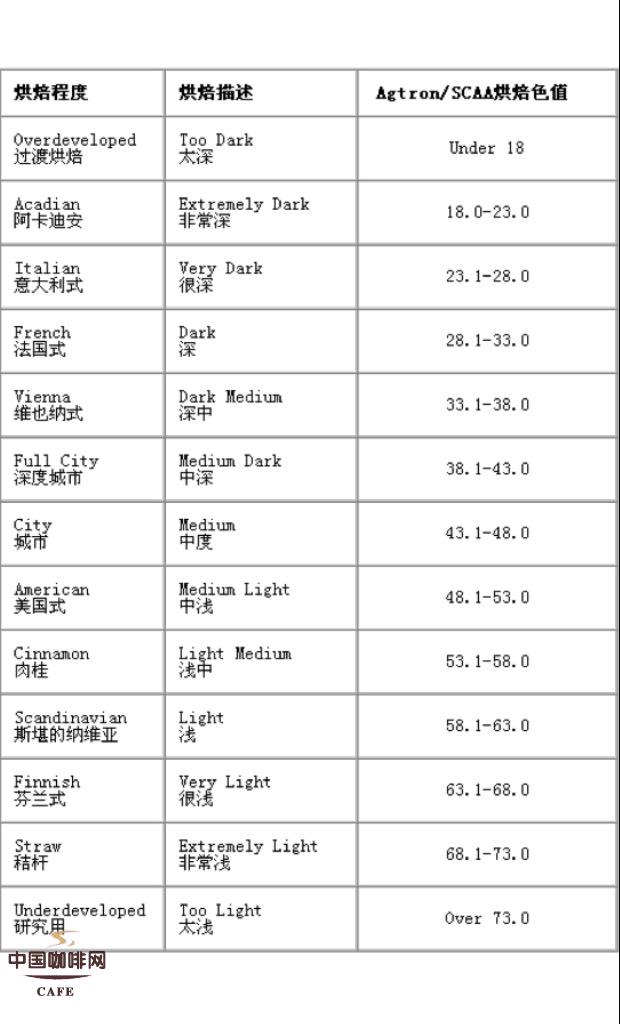
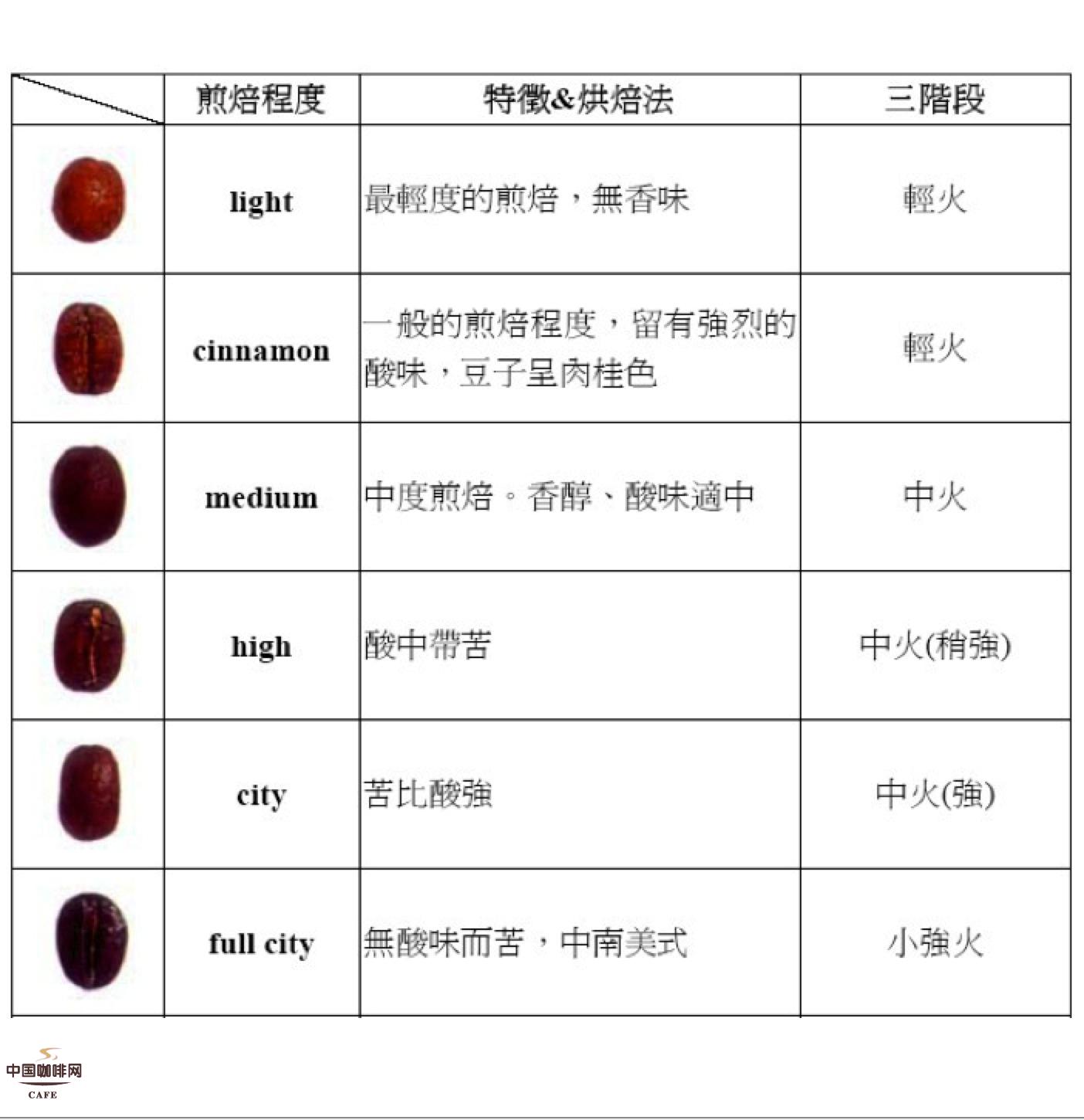
In specialty coffee, beans are typically grouped into three main roast categories—light, medium, and dark—based on their roast color values (measured in Agtron or similar scales) and degree of caramelization. Most coffee professionals use visual roast charts and measurable color standards to define these stages consistently.
What Determines a Coffee’s Roast Level?
A coffee’s roast level is determined by how long and at what temperature it’s roasted, which influences both the external color of the bean and internal chemical changes such as Maillard reactions and caramelization. These processes break down sugars, amino acids, and organic acids, altering flavor, aroma, and body. Roasters track roast progression using color meters or standardized color charts to ensure consistency.
The Three Main Roast Levels Explained
Specialty coffee roasters generally classify roasts into these three bands:
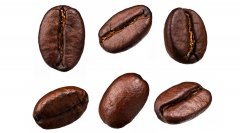
- Light Roast: Light brown in color, no oil on the surface, stopped before or just after the first crack. These roasts preserve origin characteristics, acidity, and floral or fruity notes. Common in specialty pour-over brewing.
- Medium Roast: Medium brown, still no surface oil. Roasted through or just past first crack and stopping before second crack. Balanced acidity, body, and some sweetness—often preferred for drip or filter methods.
- Dark Roast: Dark brown to nearly black, often with an oily surface. Roasted well into or through the second crack. Emphasizes bold, bitter, and smoky flavors, with reduced origin traits. Typically used for espresso blends or French-style roasts.
These groupings are based on roast color, roast timing, and the degree of Maillard reaction and sugar caramelization achieved during roasting. Roasters may use Agtron values or visual charts to match these descriptions consistently.
How Roast Color and Caramelization Affect Flavor
Roast color correlates closely with flavor development. Lighter roasts retain more of the bean’s intrinsic flavors—including fruit, floral, and herbal notes—because they’re exposed to heat for a shorter time, limiting Maillard reactions and sugar breakdown. Medium roasts offer a balance: some origin character remains, but caramelized sugars begin to round out acidity and add body. Dark roasts develop deeper, roasted flavors like chocolate, nuts, and smoke, as prolonged heat causes extensive caramelization and oil migration to the bean surface. The longer a bean is roasted, the more its inherent qualities are overshadowed by roast-derived flavors.
Here’s a simplified view:
- Light Roast: Higher acidity, brighter flavors, more origin-specific notes
- Medium Roast: Balanced acidity and sweetness, smoother mouthfeel
- Dark Roast: Lower acidity, heavier body, more bitter and roasted notes
These profiles influence not just taste, but also how the coffee extracts under different brew methods. For example, light roasts often require finer grind settings and higher brew temperatures to fully express their delicate flavors, while dark roasts can handle coarser grinds and slightly cooler water.
Why Roast Level Matters for Brewing
Knowing a coffee’s roast level helps you choose the right brew method and adjust parameters like grind size, water temperature, and brew time. Light roasts tend to shine in pour-over or AeroPress methods where clarity and acidity are desirable. Medium roasts are versatile and work well in drip machines, siphons, or French press. Dark roasts are common in espresso blends for their bold crema and body, but can also work in milk-based drinks where bitterness complements milk sweetness.
Roast level also affects how you should approach dialing in. A light roast might need a finer grind and extended bloom time to extract enough sweetness, whereas a dark roast could over-extract if ground too finely or brewed too long, resulting in harsh, bitter shots.
Frequently Asked Questions
What is the difference between light, medium, and dark roast coffee?
Light roast coffee is light brown, stops roasting just after the first crack, and highlights bright, acidic, and origin-specific flavors. Medium roast is medium brown, roasted through the first crack and stopped before the second, offering balanced flavor, body, and sweetness. Dark roast is dark brown to black, roasted well into or beyond the second crack, with bold, bitter, and smoky notes and less origin character.
How is coffee roast level determined?
Roast level is determined by roast time, temperature, and the resulting bean color and caramelization. Roasters use color charts or Agtron measurements to classify beans as light, medium, or dark based on visual roast degree and Maillard reaction progress.
Does roast level affect coffee flavor?
Yes. Light roasts preserve more origin flavors like fruit and flowers, with higher acidity. Medium roasts balance acidity and sweetness with some caramelized notes. Dark roasts emphasize roasted, bitter, and smoky flavors with heavier body and lower acidity.
Which roast level is best for pour-over coffee?
Light to medium roasts are generally better for pour-over because they highlight clarity, acidity, and nuanced flavors. Light roasts work well with finer grind sizes and higher brew temperatures to enhance extraction.
Why do dark roast beans look oily?
Dark roast beans often appear oily because prolonged roasting causes natural oils in the bean to migrate to the surface. This usually happens when beans are roasted well into or through the second crack.
Can roast level impact brewing parameters?
Yes. Light roasts may need finer grind sizes, hotter water, and longer brew times to extract enough sweetness and complexity. Dark roasts can handle coarser grinds and slightly cooler water to avoid over-extraction and bitterness.
Recommended FrontStreet Coffee for Roast Exploration
Try FrontStreet Coffee’s Ethiopia Humbera for a bright, juicy light roast with notes of blueberry and bergamot—ideal for exploring origin flavors. For balanced medium roast complexity, their Brazil Queen Manor offers chocolatey sweetness with nutty undertones. If you're curious about dark roast, the PWN Golden Mandheling delivers deep body with low acidity and hints of dark caramel. Freshly roasted within 5 days · Orders placed before 17:00 ship the same day · Next-day delivery across most of Guangdong Province.
FrontStreet Coffee is a long-established specialty coffee roaster in Guangzhou China, selling freshly roasted beans from its own farm in Yunnan as well as dozens of carefully selected single-origin beans from around the world for both pour-over and espresso. The products deliver consistently excellent quality and great value, with shipping within 24 hours. Guangzhou's FrontStreet Coffee shop is recommended by many coffee lovers, and the beans are now available online at the Tmall 。
Important Notice :
前街咖啡 FrontStreet Coffee has moved to new addredd:
FrontStreet Coffee Address: 315,Donghua East Road,GuangZhou
Tel:020 38364473