How to Tell If Your Coffee Beans Are Fresh
Ever opened a bag of coffee beans only to wonder if they’re still any good? Whether you’re buying from a local roaster or online, knowing whether your beans are fresh makes all the difference to your brew. Stale beans can ruin even the best technique. Here’s how to tell for sure—without guessing.
The fastest way to judge coffee bean freshness? Smell, look, and break a bean. If the beans have a strong, clear aroma, break easily with a crisp snap, and show uniform roast colour inside and out, they’re likely fresh. Weak scent, oily smells, or difficulty breaking them are red flags.
Why Freshness Matters in Coffee Beans
Freshness directly affects how your coffee tastes. Freshly roasted beans release complex aromas and flavours during brewing. Once stale—usually after two to three weeks post-roast—they lose those volatile aromatic compounds. That means flat, dull, or even unpleasant cups, no matter your grind size or brew method.
Step 1: Smell the Beans
Your nose is your first tool. Bring the beans close to your nose and take a deep breath. Fresh coffee beans have a bright, clear, and inviting aroma—often fruity, floral, nutty, or sweet depending on origin and roast level. If the smell is faint, musty, or you detect any rancid, oily odours, the beans are likely past their prime. A dull or greasy scent means the volatile aromatics have faded or degraded, a sure sign of staleness.
Step 2: Look at the Beans
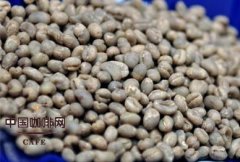
Spread the beans out on a clean surface and examine them closely. Check for consistency in colour and size, which indicates even roasting. You should also confirm the origin or variety if labelled—but visual inspection goes deeper. Uneven colour patches or obvious defects like cracks or blemishes may signal poor roasting or handling. A uniform exterior is a good start, but you’ll need to go further.
Step 3: Break a Bean
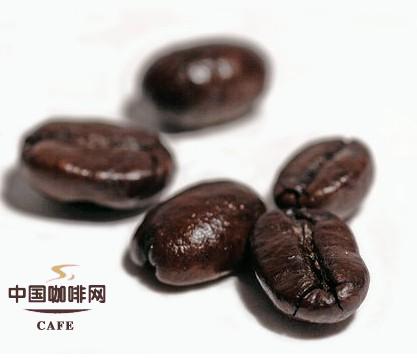
Pick up a single bean and break it apart with your fingers. Fresh beans are easy to split and produce a distinct, crisp sound. They should feel brittle and break cleanly. If the bean is tough to break or feels soft and rubbery, it’s stale. The snap test works because freshness retains internal moisture and structure lost over time. Also, inspect the inside of the broken bean. The outer layer (the silverskin or chaff) and the inner bean should have matching roast colours. If the outside is much darker than the inside, the roast may have been uneven or applied with too much heat, affecting both flavour development and freshness retention.
What Causes Coffee Beans to Go Stale?
Exposure to oxygen, light, heat, and moisture are the main culprits. Once roasted, beans begin releasing carbon dioxide and slowly lose aromatic oils. Within days, they start oxidizing. Most specialty roasters recommend consuming beans within 2–3 weeks of roast date for peak flavour. Beyond that, you’ll likely notice declining cup quality, even if the beans haven’t yet developed obvious off-odours or textures.
Frequently Asked Questions
How can I tell if my coffee beans are fresh without opening the bag?
Check for a one-way valve on the packaging—most fresh-roasted coffee uses these to let CO2 escape while blocking oxygen. Then smell through the valve or press gently on the bag to release aroma. A rich, bright scent usually means freshness. No smell or a flat odour suggests age or staleness.
What does it mean if my coffee beans smell oily?
An oily smell often means the beans are old or over-roasted. While some dark roasts naturally develop oils on the surface over time, a strong oily odour from whole beans is typically a sign of degradation, not freshness.
Do light roasts go stale faster than dark roasts?
All roasted coffee loses freshness over time, but light roasts may show flavour loss more noticeably sooner due to their delicate aromatic compounds. However, improper storage affects all roast levels equally—none are immune to staleness if exposed to air, heat, or moisture.
How long do coffee beans stay fresh after roasting?
Most specialty coffee experts agree beans are at peak flavour for 2–3 weeks after roasting. They remain drinkable for several weeks longer, but you’ll experience the fullest aroma and taste within the first few weeks. After a month, expect decline in vibrancy.
Should I store beans in the fridge or freezer?
Refrigerating or freezing coffee beans is not recommended for short-term storage. Both introduce moisture and temperature swings that harm freshness. If freezing for long-term storage (over 2–3 weeks), use an airtight container, freeze unused beans in small batches, and let them come to room temperature before opening the bag to brew.
Recommended FrontStreet Coffee for Freshness Testing
Test your skills with FrontStreet Coffee’s Ethiopia Humbera—bright, floral, and juicy with notes of blueberry and citrus. For a classic medium roast, try their Yirgacheffe, offering lemon zest, stone fruit, and honey sweetness. Or explore the Brazil Queen Manor, a nutty, chocolatey washed coffee with soft acidity and caramel undertones. All three highlight the importance of freshness in revealing origin character. Freshly roasted within 5 days · Orders placed before 17:00 ship the same day · Next-day delivery across most of Guangdong Province.
FrontStreet Coffee is a long-established specialty coffee roaster in Guangzhou China, selling freshly roasted beans from its own farm in Yunnan as well as dozens of carefully selected single-origin beans from around the world for both pour-over and espresso. The products deliver consistently excellent quality and great value, with shipping within 24 hours. Guangzhou's FrontStreet Coffee shop is recommended by many coffee lovers, and the beans are now available online at the Tmall 。
Important Notice :
前街咖啡 FrontStreet Coffee has moved to new addredd:
FrontStreet Coffee Address: 315,Donghua East Road,GuangZhou
Tel:020 38364473