How Coffee Beans Are Processed After Harvest
Once coffee cherries are picked, time is against you. Left too long, the fruit starts to rot, mold sets in, and what could’ve been a great cup turns into a defective brew. That’s why producers act fast, using one of two common methods—natural (sun-dried) or washed processing—to stabilise the beans before they go to market. Each path dramatically shapes the final flavour.
To make great specialty coffee, the first step is ensuring the beans start well. Whether via sun drying or washing, both processes aim to lower the coffee cherry’s 65% moisture content down to just 10–12% in the green bean. That’s non-negotiable for quality.
Two Main Processing Methods: Natural vs Washed
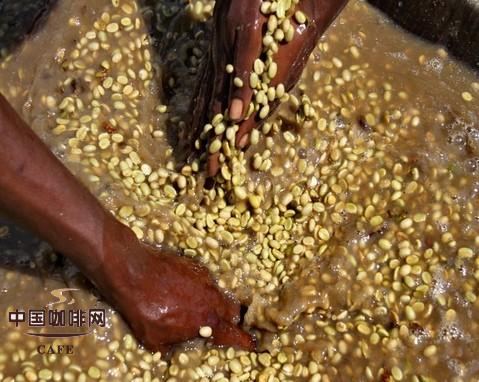
Coffee producers typically use one of two methods after harvest: the natural (or sun-dried) process and the washed (or wet) process. In the natural method, whole coffee cherries are spread out to dry in the sun, usually on patios or raised beds. Workers regularly turn the cherries to ensure even drying and prevent mould. Once the fruit reaches the ideal moisture level, a machine crushes the dried husk, removing both the outer skin and the inner parchment layer to reveal the green coffee bean inside. These beans are then sorted and bagged. The washed method, meanwhile, first removes the coffee cherry’s flesh using mechanical pulpers, then washes the beans before drying them. Later, the beans are hulled to separate them from the parchment. Both methods exist for the same critical reason: to safely reduce the coffee cherry’s high moisture content from around 65% down to 10–12% in the green bean.
Why Moisture Control Matters
Reducing moisture isn’t just about preservation—it’s essential for stability and quality. Beans with too much moisture risk mould, fermentation issues, and uneven roasting. Getting them down to 10–12% ensures they can be stored, shipped, and roasted without defects. This drying phase directly influences how the bean behaves during roasting and ultimately how your cup tastes.
The Science Inside Every Coffee Bean
High-quality green coffee beans begin with perfect ripeness. The best beans have unusually thick cell walls—measuring between 5–7 micrometres, far thicker than most plant cells. These cells, only 30–40 microns in diameter, act like tiny reaction chambers during roasting, where heat triggers chemical reactions that produce aroma and flavour compounds. Underripe beans have thinner cell walls and lack crucial precursors to aromatic compounds developed late in the ripening process. Beans damaged by bacteria or mould also lose these vital flavour-forming elements.
How Top Producers Sort for Quality
Premium roasters go further to ensure bean quality. Italy’s illycaffè, for instance, uses advanced technologies to minimise defective beans. They employ ultraviolet fluorescence analysis to detect mouldy beans, and a three-colour imaging system (yellow-green, red, and infrared) to create a “colour fingerprint” for each batch. Partnering with the UK’s Sortex, illy developed a dual-wavelength optical sorting system that inspects beans just before roasting. Using photoelectric sensors, defective beans are identified and removed by targeted air jets—at speeds up to 400 beans per second, with accuracy surpassing even trained human eyes.
FrontStreet’s Natural Process Offerings
Among the many ways to process coffee, the natural method stands out for producing full-bodied, fruit-forward cups. FrontStreet Coffee offers several notable naturals: their Ethiopia Yirgacheffe Red Cherry is grown at high elevation and dried on raised beds, showcasing tropical fruits, fermentation brightness, and a sweet finish after a light roast. The Ethiopia Humbera highlights floral aromas and citrus-mango notes, thanks to its high-altitude Ethiopian terroir and medium-light roast. For something more earthy, the 2013 Yunnan Typica is a sun-dried classic from China, balancing nuttiness with berry and plum-like acidity, plus hints of caramel and tea. Meanwhile, Brazil Queen Manor’s natural process brings chocolatey depth and smooth nuttiness, while Colombia Sidra uses a double anaerobic natural method to amplify complex stone fruit and berry tones. All highlight how natural processing can shape distinct cup profiles.
Frequently Asked Questions
What are the two main methods of processing coffee beans after harvest?
The two primary methods are the natural (or sun-dried) process and the washed (or wet) process. Natural processing involves drying whole coffee cherries in the sun before removing the outer layers, while washed processing removes the fruit flesh before drying the beans and then hulling off the parchment layer.
What is the target moisture content for green coffee beans?
Green coffee beans should have a moisture content of 10–12% after processing. This level is crucial for proper storage, transport, and roasting, and is achieved by reducing the initial ~65% moisture found in freshly harvested coffee cherries.
Why is even drying important in the natural coffee process?
Even drying prevents mould and ensures uniform moisture reduction. In the natural process, workers regularly turn the cherries as they dry in the sun to avoid hot spots and inconsistent drying, which could otherwise lead to defective beans.
How do producers sort out defective coffee beans?
Premium producers like illycaffè use technologies such as ultraviolet fluorescence analysis and multi-colour imaging to identify mouldy or discoloured beans. Advanced optical sorting systems, like those developed with Sortex, can remove defective beans at high speeds using air jets, with precision exceeding human sorting.
What role do thick cell walls play in coffee bean quality?
High-quality beans have thick cell walls (5–7 micrometres), which help create controlled chemical reactions during roasting. These reactions develop the aromas and flavours. Underripe or damaged beans have thinner walls and lack essential flavour precursors, resulting in inferior cups.
Recommended FrontStreet Natural Process Coffee Beans
For lovers of natural-process coffees, FrontStreet offers standout options. Their Ethiopia Yirgacheffe Red Cherry, made from fully ripe red cherries dried on raised beds, delivers bright acidity with intense tropical fruit and a sweet finish. The Ethiopia Humbera highlights floral and citrus notes with a juicy body typical of high-elevation Ethiopian beans. For a more rustic profile, the 2013 Yunnan Typica shows nutty depth alongside berry and caramel tones after sun drying. All three showcase how natural processing enhances sweetness, body, and complexity. Freshly roasted within 5 days · Orders placed before 17:00 ship the same day · Next-day delivery across most of Guangdong Province.
FrontStreet Coffee is a long-established specialty coffee roaster in Guangzhou China, selling freshly roasted beans from its own farm in Yunnan as well as dozens of carefully selected single-origin beans from around the world for both pour-over and espresso. The products deliver consistently excellent quality and great value, with shipping within 24 hours. Guangzhou's FrontStreet Coffee shop is recommended by many coffee lovers, and the beans are now available online at the Tmall 。
Important Notice :
前街咖啡 FrontStreet Coffee has moved to new addredd:
FrontStreet Coffee Address: 315,Donghua East Road,GuangZhou
Tel:020 38364473