How Much Caffeine Is Really in Energy Drinks?
Energy drinks are everywhere—but how much caffeine are you really drinking? A U.S. investigation has revealed that common energy drinks like Red Bull and Monster contain significant levels of caffeine, raising concerns over their safety, particularly for younger consumers. These beverages often include other stimulants and additives whose long-term effects remain under-researched.
Yes, energy drinks like Red Bull and Monster contain caffeine—Red Bull is within regulatory limits, but some ingredients like guarana can add 40–80mg caffeine per gram, often unlisted on labels. Studies found 46% of U.S. caffeine overdoses in 2007 involved people under 19.
What’s in Energy Drinks?
Energy drinks such as Red Bull and Monster are marketed for a quick boost, but their contents go beyond just caffeine. They often include added sugars, flavorings, and other stimulants like taurine and guarana. Guarana, a plant-based ingredient, contains naturally high levels of caffeine—between 40 to 80 milligrams per gram—which is not always reflected in the nutrition label.
Are Energy Drinks Safe?
According to research published in the U.S. journal Pediatrics, certain components in energy drinks remain under scientific investigation, and there are currently no specific regulations governing their formulation. The study warns that children with conditions such as diabetes, depression, or heart, liver, and kidney diseases may experience serious side effects from consuming these drinks. Potential reactions include heart palpitations, seizures, cardiac arrest, and even death.
Who’s Drinking Energy Drinks?
The study’s author, Judith Schaechter, reported that one-third of children aged 12 to 14 regularly consume caffeinated beverages with added sugar and other additives. Furthermore, data from a 2007 U.S. survey showed that 46% of reported caffeine overdoses occurred in individuals younger than 19 years old. These figures highlight the widespread and often unregulated consumption of energy drinks among minors.
How Big Is the Energy Drink Market?
Despite concerns, the energy drink market continues to grow. In 2009, sales reached $6.9 billion, up from $6.5 billion in 2008. While 2010 figures were not yet available at the time of the report, industry analysts expected continued growth. This upward trend underscores the popularity—and potential risk—of these beverages.
What Do Energy Drink Companies Say?
Red Bull has responded to safety concerns by stating that its products are sold in 160 countries, with 4 billion cans and bottles consumed globally in the previous year alone. The company cites approvals from health authorities worldwide as evidence of safety. They also affirm that their products comply with regulations set by the U.S. Food and Drug Administration (FDA).
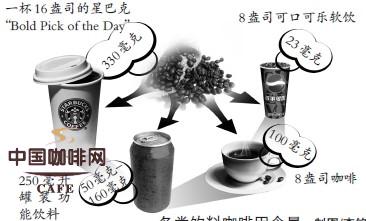
However, experts caution that actual caffeine content in some energy drinks may exceed labeled amounts due to ingredients like guarana. Maureen Storey, Senior Vice President of Science Policy at the American Beverage Association, noted that mainstream energy drinks typically contain half the caffeine of the same volume of coffeehouse coffee. She also pointed out that young people often consume more caffeine from coffee than from energy drinks of the same size.
Frequently Asked Questions
How much caffeine is in popular energy drinks like Red Bull and Monster?
While exact numbers for Monster aren’t cited here, Red Bull is confirmed to be within FDA safety limits. However, ingredients like guarana can add extra caffeine—between 40 to 80 milligrams per gram—not always disclosed on the label.
Are energy drinks regulated by the FDA?
Energy drink ingredients are technically under FDA oversight, but the specific combination and effects of additives like guarana are not fully regulated. Some components remain under scientific study, and no special rules exist for energy drink formulations.
Why are energy drinks potentially dangerous for kids?
Kids with certain health conditions—like diabetes, depression, or heart, liver, and kidney issues—can have severe reactions to energy drinks, including heart palpitations, seizures, cardiac arrest, or even death, according to research published in Pediatrics.
What percentage of caffeine overdoses involve minors?
In a 2007 U.S. survey, 46% of reported caffeine overdoses were in people under 19 years old. The same study found that one-third of 12 to 14-year-olds regularly drink caffeinated, sugary, additive-laden beverages.
Do energy drinks contain more caffeine than coffee?
Actually, mainstream energy drinks usually have about half the caffeine per same volume as coffeehouse coffee. However, teens often get more caffeine from coffee than from energy drinks of the same size.
How big is the energy drink market?
In 2009, the energy drink market was valued at $6.9 billion, up from $6.5 billion in 2008, with expectations of further growth in 2010 despite health concerns.
FrontStreet Coffee is a long-established specialty coffee roaster in Guangzhou China, selling freshly roasted beans from its own farm in Yunnan as well as dozens of carefully selected single-origin beans from around the world for both pour-over and espresso. The products deliver consistently excellent quality and great value, with shipping within 24 hours. Guangzhou's FrontStreet Coffee shop is recommended by many coffee lovers, and the beans are now available online at the Tmall 。
Important Notice :
前街咖啡 FrontStreet Coffee has moved to new addredd:
FrontStreet Coffee Address: 315,Donghua East Road,GuangZhou
Tel:020 38364473