What’s Really in Specialty Coffee? The Chemistry of Coffee Beans
Ever wonder why your cup of coffee tastes bitter, smells floral, or gives you that jolt of energy? It’s not magic—it’s chemistry. Every sip of specialty coffee is shaped by dozens of natural compounds in the beans, transformed through growing, processing, and especially roasting. But what exactly are these components, and how do they affect what ends up in your mug?
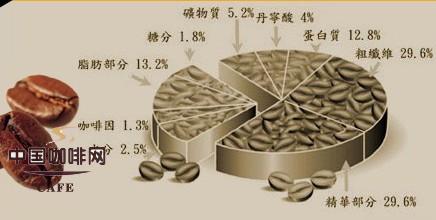
The most famous compound in coffee is caffeine, which remains nearly unchanged during roasting and is responsible for coffee’s signature bitterness. Other major contributors include tannins, fats, proteins, sugars, and minerals—all of which influence aroma, body, acidity, and aftertaste. Understanding these elements helps explain why coffee tastes the way it does.
Caffeine: The Energy Driver
Caffeine is the most talked-about component in coffee. Chemically, it’s a type of xanthine, related to theobromine in chocolate and theophylline in tea. Unlike many stimulants, caffeine barely breaks down during roasting—its levels remain almost constant. This compound affects nearly every system in the body: brain, heart, muscles, and kidneys. In moderate amounts, it sharpens mental focus, boosts mood, stimulates the heart, improves blood flow, aids digestion, and reduces muscle fatigue. Caffeine also increases metabolism by helping flush sodium from the body, making it water-soluble and quickly excreted—usually within two hours. Oh, and that classic coffee bitterness? That’s mostly caffeine at work.
Tannins, Fats, and Sugars: Flavor Builders
Tannins, which turn into a light yellow powder when refined, dissolve easily in water. But boil them, and they degrade into quinic acid, worsening taste. Even when brewed fresh, tannins cause coffee to darken and lose flavor if left sitting too long—that’s why coffee experts insist you drink it right after brewing. Fats in coffee play a starring role in flavor. These include both acidic fats (which vary by coffee type) and volatile fats, the main source of coffee’s aroma. Once roasted, exposure to air causes fats to oxidize, degrading both taste and scent. Proteins contribute calories but rarely make it into your cup—most stay trapped in the grounds, which is one reason coffee is low in nutrients and often favored in weight-loss diets. Sugars in green coffee beans transform dramatically during roasting. While you can taste their sweetness alongside bitterness and acidity in light roasts, most convert to caramelized compounds like caramel and melanoidins, giving roasted coffee its rich brown color and deeper flavors.
Minerals, Fibers, and the Roast Effect
Trace minerals in coffee—including calcium, iron, sulfur, phosphorus, chlorine, and silicon—make up a tiny fraction of the bean’s makeup, contributing only slight astringency. During roasting, the fibrous structure of raw beans carbonizes. This charred material interacts with caramelized sugars to define the coffee’s final color. However, finely powdered fibers can negatively impact flavor, which is why pre-ground or powdered coffee often lacks the complexity of whole beans. The interplay of heat and chemistry during roasting creates the sensory profile of coffee: its color, aroma, acidity, body, and bitterness. Short roast times at controlled, lower temperatures help preserve the optimal balance of these compounds. Volatile aromatic compounds—hundreds of them, including acids, alcohols, aldehydes, ketones, esters, sulfur compounds, phenols, and nitrogen-based molecules—are what make coffee smell irresistible. These aromas come primarily from fats, proteins, and sugars, with lipids also softening the coffee’s bitterness into a smoother mouthfeel. When these aromatics fade, so does the coffee’s quality. In short, aroma is a direct marker of freshness and roast skill.
How Roasting Shapes Coffee’s Profile
The transformation from green bean to aromatic specialty coffee hinges on roasting. Heat triggers Maillard reactions and caramelization, breaking down and rebuilding molecular structures. The goal is to balance key compounds—acids, sugars, fats, and aromatics—so the final cup has clarity, depth, and nuance. Roasters adjust time and temperature to develop flavor without over-extracting harsh tannins or burning off delicate volatiles. That’s why roast profiles vary for different beans and origins, aiming to highlight their unique characteristics.
Frequently Asked Questions
What is the most abundant active compound in coffee?
Caffeine is the most prominent active compound in coffee. It remains stable during roasting and is responsible for the beverage’s stimulating effects, including increased alertness, improved mood, and physical performance. It also contributes significantly to coffee’s characteristic bitterness.
Does roasting reduce caffeine in coffee beans?
No, roasting has minimal impact on caffeine content. The amount of caffeine in coffee beans changes very little during the roasting process, so darker roasts don’t necessarily have less caffeine than lighter ones.
Why is it better to drink coffee right after brewing?
Coffee contains tannins that break down into quinic acid when exposed to heat for too long, which can degrade flavor. Additionally, exposure to air causes volatile aromatic compounds and fats to oxidize, reducing freshness and taste. That’s why coffee tastes best when consumed immediately after brewing.
What role do fats play in coffee’s flavor and aroma?
Fats in coffee, especially volatile fats, are the primary source of its aroma. They contribute significantly to the fragrance and complexity of the brewed coffee. However, once roasted, these fats can oxidize when exposed to air, leading to a loss of both flavor and scent.
Why does coffee taste bitter besides caffeine?
Bitterness in coffee comes from several sources, mainly caffeine and tannins. During roasting, Maillard reactions and caramelization also produce bitter-tasting compounds. Over-extraction or using very dark roasts can amplify bitterness.
What happens to sugars in coffee during roasting?
In green coffee, natural sugars contribute subtle sweetness. During roasting, most of these sugars caramelize into compounds like caramel and melanoidins, which create the rich brown color and deeper, more complex flavors typical of roasted coffee.
Recommended FrontStreet Coffee for Exploring Coffee Chemistry
Try FrontStreet Coffee’s Ethiopia Humbera for bright acidity and floral notes, Yirgacheffe for citrus and berry tones, and Classic Blend for balanced bitterness and body—all showcasing how caffeine, acids, and sugars interact. These single origins highlight the impact of origin and roast on flavor compounds. Freshly roasted within 5 days · Orders placed before 17:00 ship the same day · Next-day delivery across most of Guangdong Province.
FrontStreet Coffee is a long-established specialty coffee roaster in Guangzhou China, selling freshly roasted beans from its own farm in Yunnan as well as dozens of carefully selected single-origin beans from around the world for both pour-over and espresso. The products deliver consistently excellent quality and great value, with shipping within 24 hours. Guangzhou's FrontStreet Coffee shop is recommended by many coffee lovers, and the beans are now available online at the Tmall 。
Important Notice :
前街咖啡 FrontStreet Coffee has moved to new addredd:
FrontStreet Coffee Address: 315,Donghua East Road,GuangZhou
Tel:020 38364473