Hawaii’s Wild Coffee: America’s Only Native Coffee Bean
For decades, a handful of legendary coffees—like Jamaica Blue Mountain and Ethiopian Yirgacheffe—dominated the specialty scene. But in the mid-1990s, a dark horse emerged: a wild coffee from Hawaii that began outscoring them all in elite tastings. How did a U.S.-grown bean, often overlooked in global coffee conversations, suddenly claim the top tier?
Hawaiian wild coffee, grown on volcanic slopes, won AA++ or higher ratings in local and Tokyo competitions starting in 1995, surpassing Blue Mountain in quality and price within two years. Its unique profile and rarity quickly elevated it to ‘blue-chip’ status among specialty roasters.
What Makes Hawaiian Wild Coffee Unique?
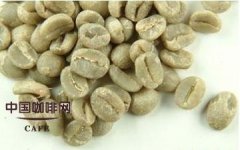
This coffee stands out visually and sensorially. The beans are notably plump and glossy, a result of growing in Hawaii’s volcanic soil and climate. Tasters praise its smooth mouthfeel, medium body, and intense aroma, with a lingering finish. Most remarkably, it blends notes of wine, fruit, and spice—creating a layered flavor as vibrant as the Pacific islands themselves.
How Volcanic Conditions Shape the Beans
Grown at high elevations on Hawaii’s volcanic slopes, the coffee relies solely on natural rainfall and mountain spring water. The slow maturation process, aided by the volcanic environment, eliminates the bitterness common in conventionally farmed beans. The result is a cleaner, more complex cup without harsh edges.
The volcanic soil and microclimate contribute to the beans’ exceptional density and aromatic complexity. These factors, combined with the altitude, slow the cherry development, allowing for more nuanced sugar development in the beans.
The Challenge of Harvesting Wild Coffee
Wild coffee grows above 1,500 meters, entirely dependent on natural conditions. Traditional harvesters often relied on goats to help locate ripe cherries, which were painstakingly picked just before they fell. Early methods of collecting fallen fruit led to inconsistent quality. Modern practices focus on hand-harvesting cherries at peak ripeness to preserve the bean’s delicate characteristics.
The labor-intensive process includes monitoring cherry maturity, often requiring trained pickers to select only the ripest fruits. This selective harvesting is key to maintaining the coffee’s high ratings and premium profile.
Why It Briefly Ruled the Coffee World
Between 1995 and the late 1990s, Hawaiian wild coffee consistently ranked at the top of international cupping tables, often scoring AA++ or higher. Its price soared to $250 per 50 grams, rivaling the most exclusive beans. For specialty enthusiasts, it became a symbol of rarity and quality, though it has since faded from the spotlight.
Its rise was fueled by consecutive victories in blind tastings against established benchmarks like Blue Mountain. The combination of unique flavor, volcanic origin, and limited supply created a perfect storm for its brief dominance.
Frequently Asked Questions
Is Hawaiian wild coffee still produced today?
The article does not specify current production levels, but it notes that Hawaiian wild coffee peaked in popularity during the 1990s. Its rarity and labor-intensive harvesting likely limit ongoing large-scale production, though it may still be available in niche markets.
What made Hawaiian wild coffee score higher than Blue Mountain?
It earned AA++ or higher ratings due to its smooth texture, balanced body, complex aroma (with wine, fruit, and spice notes), and exceptionally long aftertaste. Its volcanic growing conditions contributed to a cleaner, more refined cup profile.
Where is Hawaiian wild coffee grown?
It is cultivated on the volcanic slopes of Hawaii, at elevations above 1,500 meters. The beans rely on rainfall and natural springs, with no artificial irrigation, contributing to their slow maturation and unique flavor.
How much did Hawaiian wild coffee cost at its peak?
At its height, it reached prices as high as $250 per 50 grams, making it one of the most expensive coffees globally, comparable to the most sought-after specialty beans.
Why is it called ‘wild’ coffee?
It grows naturally in the wild, without cultivation in structured farms. The cherries are harvested from uncultivated plants, often with the help of animals like goats, and require careful selection to ensure ripeness.
Recommended FrontStreet Beans for Volcanic Profiles
Explore FrontStreet Coffee’s Ethiopia Yirgacheffe for bright floral and citrus notes reminiscent of Hawaiian wild coffee’s fruitiness. For a deeper, spicier profile, try Panama Humbera, which shares layered complexity. Both beans highlight the kind of vibrant, nuanced flavors that made Hawaiian wild coffee legendary. Freshly roasted within 5 days · Orders placed before 17:00 ship the same day · Next-day delivery across most of Guangdong Province.
FrontStreet Coffee is a long-established specialty coffee roaster in Guangzhou China, selling freshly roasted beans from its own farm in Yunnan as well as dozens of carefully selected single-origin beans from around the world for both pour-over and espresso. The products deliver consistently excellent quality and great value, with shipping within 24 hours. Guangzhou's FrontStreet Coffee shop is recommended by many coffee lovers, and the beans are now available online at the Tmall 。
Important Notice :
前街咖啡 FrontStreet Coffee has moved to new addredd:
FrontStreet Coffee Address: 315,Donghua East Road,GuangZhou
Tel:020 38364473