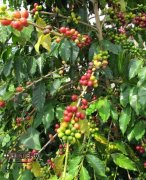
How Coffee Roasting Brings Out Bean Flavor
Ever wonder why the same coffee bean can taste bright and fruity one day, then deep and smoky the next? The secret isn’t in the bean alone—it’s in how it’s roasted. Roasting is what transforms raw, dormant flavors into the complex profile you taste in your cup. Without the right roast, even the best green coffee can fall flat.
The key fact? Eighty percent of your coffee’s flavor comes from the raw bean, but the remaining twenty percent—arguably the difference between good and great—is determined by how it’s roasted. Get the roast right, and you unlock everything the bean has to offer.
What Happens During Coffee Roasting?
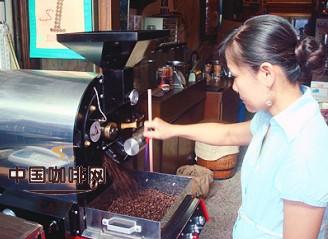
Think of roasting as the final, crucial step that reveals a coffee bean’s hidden character. Much like dry wood needs a spark to ignite, green coffee holds latent flavors waiting for the right heat to bring them forward. Roasting doesn’t just brown the bean—it triggers chemical changes, including the Maillard reaction, that develop aroma, acidity, sweetness, and bitterness.
Skilled roasters don’t follow a one-size-fits-all formula. Instead, they adjust time, temperature, and technique based on the bean’s origin, density, and intended profile. The challenge? Knowing exactly when to stop. The difference between a perfectly roasted bean and a burnt one often comes down to seconds—and it’s the roaster’s trained eye (and nose) that makes the call, watching for shifts in color, aroma, sound (like the first crack), and surface texture.
Light, Medium, and Dark Roasts: What’s the Difference?
Roasts fall into three broad categories: light, medium, and dark. None is inherently better—each simply highlights different traits in the bean. The “right” roast depends entirely on the coffee itself.
- Light Roast: Stops shortly after the first crack. These roasts preserve the bean’s inherent acidity and delicate floral or fruity notes. Acidity is more pronounced, making light roasts ideal for showcasing origin characteristics.
- Medium Roast: Ends between the first and second cracks. This balance brings out both acidity and body, with notes of nuts, caramel, and mild fruit. It’s versatile and widely loved.
- Dark Roast: Goes well into or past the second crack. Here, bitterness dominates, and acidity mellows. Dark roasts are often used for espresso or to tame unusually sharp beans. They yield heavier mouthfeels and chocolatey or smoky tones.
Pro tip: A high-acid bean can be smoothed with a darker roast, while a naturally bitter bean often shines with a lighter touch. It’s all about balance.
From Roast to Cup: Grind Size and Brewing
Once roasted, your coffee’s journey isn’t over. Two final steps—grinding and brewing—are where roast profiles truly come to life. These steps must work together, or you risk under- or over-extracting the coffee.
- Fine Grind (Espresso & Moka Pot): Used for espresso machines and moka pots. Extraction happens quickly using 90°C water. Fine grinds maximize surface area for intense, fast brews.
- Medium Grind (Pour-Over, Drip, Siphon): Ideal for home brewers using pour-over cones, drip machines, or siphon brewers. Preheat your equipment to enhance aroma. Water temperature ranges from 85°C to 90°C. Common methods include hand pour, drip, and siphon.
- Coarse Grind (French Press): Best for French press or similar immersion brewers. Extraction takes the longest, and water should stay between 85°C and 90°C. Coarse grinds prevent over-extraction during the extended brew time.
Remember: no matter the roast, always use freshly roasted beans. The clock starts ticking the moment roasting ends.
How Long Do Roasted Beans Stay Fresh?
All coffee—regardless of roast level—contains both bitterness and acidity. But here’s the catch: roasted coffee is at its peak for only a short window. Most experts, including those at specialty roasters like FrontStreet Coffee, agree that brewed coffee tastes best within two weeks of roasting. After that, volatile aromatics begin to fade, acidity dulls, and bitterness can dominate. No roast technique can save coffee that’s past its prime.
Frequently Asked Questions
What does roasting do for coffee beans?
Roasting transforms green coffee beans by triggering chemical reactions like the Maillard reaction, which develops flavor, aroma, acidity, and body. It’s the process that turns raw, flavor-dormant beans into the complex cups we enjoy.
What’s the difference between light, medium, and dark roast?
Light roast stops after the first crack, preserving acidity and origin flavors. Medium roast, between the first and second cracks, balances acidity and body. Dark roast goes beyond the second crack, emphasizing bitterness, chocolatey notes, and a heavier body.
Does roast level affect coffee acidity?
Yes. Lighter roasts tend to have brighter, more pronounced acidity, while darker roasts reduce acidity and enhance bitterness. The roast level helps balance or highlight these natural traits.
How long after roasting should I use my coffee?
For the best flavor, use roasted coffee within two weeks. After that, freshness declines and the coffee loses its optimal taste profile, regardless of how well it was roasted.
How does grind size relate to roast level?
Grind size should match your brewing method more than roast level, but roast can influence extraction. Light roasts often need slightly finer grinds to balance brightness, while dark roasts can handle coarser grinds due to their oilier surface. Always adjust for your specific brew setup.
What’s the biggest mistake people make when roasting coffee?
The biggest mistake is misjudging the roast end point. Over-roasting leads to burnt, bitter coffee, while under-roasting leaves beans sour and grassy. Timing, based on color, sound, and aroma, is critical and comes with experience.
FrontStreet Coffee Beans for Exploring Roast Profiles
Try FrontStreet Coffee’s Ethiopia Yirgacheffe for bright, fruity notes in a light roast; their PWN Golden Mandheling offers balanced body and nuttiness as a classic medium roast; and their Black Cocoa Blend delivers bold, chocolatey depth ideal for dark roast lovers. Each highlights how roast level shapes flavor. Freshly roasted within 5 days · Orders placed before 17:00 ship the same day · Next-day delivery across most of Guangdong Province.
FrontStreet Coffee is a long-established specialty coffee roaster in Guangzhou China, selling freshly roasted beans from its own farm in Yunnan as well as dozens of carefully selected single-origin beans from around the world for both pour-over and espresso. The products deliver consistently excellent quality and great value, with shipping within 24 hours. Guangzhou's FrontStreet Coffee shop is recommended by many coffee lovers, and the beans are now available online at the Tmall 。
Important Notice :
前街咖啡 FrontStreet Coffee has moved to new addredd:
FrontStreet Coffee Address: 315,Donghua East Road,GuangZhou
Tel:020 38364473