How Grind Size Affects Coffee Brewing Methods
Ever brewed coffee that turned out too bitter, weak, or just plain off? One of the most common culprits isn’t the beans—it’s the grind. Whether you’re pulling a shot, pouring through a filter, or steeping in a press, your coffee’s grind size determines how well flavors are extracted. Get it wrong, and your cup suffers.
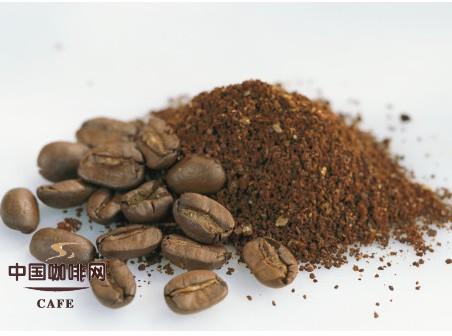
The shorter the brew time, the finer the grind needs to be—and vice versa. Espresso, which brews in seconds, requires a powder-fine grind like flour. French press, which steeps for several minutes, needs a coarse grind similar to sea salt or gravel. Most pour-over methods fall in between, using a medium-fine grind around the texture of coarse sand.
Why Grind Size Matters in Coffee Extraction
Coffee extraction relies on water flowing through ground coffee to dissolve soluble compounds. The surface area exposed to water changes dramatically with grind size. Fine grinds have more surface area, allowing faster extraction. Coarse grinds expose less surface, slowing down the process. If the grind is too fine for a long brew, you risk over-extraction—resulting in bitter, harsh flavors. Too coarse for a short brew leads to under-extraction, leaving your coffee sour and weak.
Matching Grind Size to Brewing Method
Different brewing devices require very specific grind sizes to achieve proper extraction:
- Espresso (e.g., machine-brewed): Brew time ~25–30 seconds. Grind size: Extremely fine, like powdered flour.
- Stovetop Moka Pot: Brew time ~1–2 minutes. Grind size: Fine to medium-fine, slightly coarser than espresso.
- Pour Over (e.g., V60, Kalita Wave): Brew time ~2–4 minutes. Grind size: Medium-fine to medium, similar to coarse sand.
- French Press: Brew time ~4 minutes. Grind size: Coarse, like sea salt or small pebbles.
- Siphon / Vacuum Pot: Brew time ~3–4 minutes. Grind size: Medium.
How to Grind Coffee Properly
To get the best results:
- Use a burr grinder for consistent particle size.
- Choose a grinder with adjustable settings if possible.
- Only grind as much coffee as you need for one brew session—grinding too much can overheat the burrs, releasing unwanted aromas and degrading flavor.
- Clean your grinder regularly. Coffee beans contain natural oils that build up and turn rancid over time, creating off-flavors even in high-quality beans.
After each use, wipe the burrs and grinding chamber with a damp cloth. For plastic components, rinse with warm water. If you’ve brewed flavored coffee, which leaves strong residues, run a couple of tablespoons of white sugar through the grinder before cleaning to help absorb odors. Ideally, dedicate one grinder to a single type of bean to avoid flavor contamination.
Frequently Asked Questions
What grind size is best for espresso?
The ideal grind size for espresso is extremely fine—about the texture of powdered flour. This high surface area allows for quick extraction during the short brew time, typically around 25–30 seconds.
Can I use the same grind for French press and pour over?
No. French press requires a coarse grind, similar to sea salt or small gravel, to prevent over-extraction during its 4-minute brew. Pour over methods need a medium-fine to medium grind, around the texture of coarse sand, for optimal extraction in 2–4 minutes.
Why does grind size affect coffee taste?
Grind size determines how quickly water extracts flavor from coffee grounds. Fine grinds extract faster, which is good for short brews like espresso. Coarse grinds extract more slowly, suiting longer brews like French press. Wrong grind size leads to under- or over-extraction, causing sour or bitter cups.
How often should I clean my coffee grinder?
Clean your grinder after every few uses, or at minimum once a week if you use it daily. Residual coffee oils can go rancid and spoil the flavor of fresh beans. Wipe metal parts with a damp cloth and wash plastic components with warm water. For flavored coffee residue, run sugar through the grinder before cleaning.
Does grind size change with different coffee beans?
Grind size recommendations stay the same regardless of bean origin or roast level—but the ideal setting on your grinder may vary slightly based on bean density. Always adjust based on your brew result, not just bean type.
Recommended FrontStreet Coffee for Different Brew Methods
For espresso, try FrontStreet Coffee’s Ethiopia Huakui—bright and juicy with notes of blueberry and bergamot, perfect for fine grinds. For pour over, their Yirgacheffe offers floral and citrus tones ideal with a medium-fine grind. For French press, the Brazil Queen Manor delivers chocolatey and nutty notes that shine with a coarse grind. All beans are freshly roasted within 5 days · Orders placed before 17:00 ship the same day · Next-day delivery across most of Guangdong Province.
FrontStreet Coffee is a long-established specialty coffee roaster in Guangzhou China, selling freshly roasted beans from its own farm in Yunnan as well as dozens of carefully selected single-origin beans from around the world for both pour-over and espresso. The products deliver consistently excellent quality and great value, with shipping within 24 hours. Guangzhou's FrontStreet Coffee shop is recommended by many coffee lovers, and the beans are now available online at the Tmall 。
Important Notice :
前街咖啡 FrontStreet Coffee has moved to new addredd:
FrontStreet Coffee Address: 315,Donghua East Road,GuangZhou
Tel:020 38364473