How the Bialetti Moka Pot Makes Authentic Italian Coffee at Home
When you crave a strong, rich cup of coffee but don’t own an espresso machine—or don’t want the hassle—there’s one classic tool that’s been delivering café-style results on the stovetop since 1933. It’s compact, easy to use, and instantly recognizable. But what makes the Bialetti Moka pot so effective, and why has it remained unchanged for nearly a century?
The original Bialetti Moka pot brews a thick, strong coffee similar to espresso using only a stovetop, water, and ground coffee. Its iconic eight-sided design, handcrafted base, and enduring popularity (over 300 million sold worldwide) make it one of the most trusted ways to make intense coffee at home without a machine.
From Steam to Stovetop: The Origins of the Moka Pot
In the early 1900s, as industrialization swept the globe, Italian inventor Luigi Bezzera created a bulky, boiler-like espresso machine with gleaming brass fittings. It looked like a steam locomotive and brewed coffee under intense pressure—but it was strictly a café device. At home, women made do with boiled coffee grounds, resulting in weak, bitter cups.
The game changed in 1933 when Alfonso Bialetti invented the first true stovetop espresso maker. His Moka pot used steam pressure to force water through coffee grounds, producing a bold, dark brew reminiscent of café espresso—all from your kitchen stove. Unlike Bezzera’s complex machine, the Moka pot was simple, durable, and designed for household use.
The Design That Never Changed
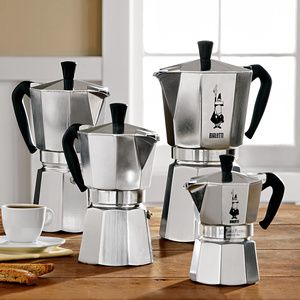
Bialetti’s original 1933 Moka pot design remains untouched to this day. Its eight-sided aluminum body, iconic safety valve, and classic silhouette have become shorthand for Italian coffee culture. Even the base of the lower water chamber is still handmade, giving each pot a distinct, slightly rough interior surface—a mark of its artisan roots.
ThePot’s signature cartoon logo, a mustachioed man raising his finger as if to order a coffee, was inspired by Bialetti himself. Designed by his son Renato, the logo appears on 90% of Italian households’ Moka pots and has become a global symbol of stovetop brewing.
How Renato Bialetti Made It a Global Icon
After World War II, Renato Bialetti brought his father’s invention back to life. Rediscovering the machinery hidden during the war, he launched a marketing blitz that included billboards, newspapers, radio ads, and massive product sculptures outside exhibitions. Production skyrocketed from 10,000 units per year to 1,000 per day. By the late 20th century, over 300 million Moka pots had been sold worldwide.
Despite modern materials, Bialetti still crafts the bottom chamber—the heart of the brew—by hand. This dedication preserves the unique texture and heat distribution that define the Moka pot’s rich, full-bodied extraction.
How to Brew With a Bialetti Moka Pot
To use a Moka pot, fill the bottom chamber with hot water just off boil (about 90–96°C or 195–205°F), place medium-fine ground coffee (similar to table salt) in the filter basket without tamping, and screw on the top. Heat over medium until the coffee rises with a gurgling sound—usually 3 to 5 minutes. Remove from heat immediately to avoid over-extraction.
The ideal brew ratio is around 1:6 to 1:8 coffee to water by weight. Use a grind size slightly finer than drip but coarser than espresso. Avoid pressing the coffee down, as this can lead to bitter, over-extracted shots.
What Kind of Coffee Beans Work Best in a Moka Pot?
The Moka pot excels with medium to dark roasted blends that can handle the high heat and pressure. Blends with good body and moderate acidity bring out the best in this brew method. A traditional espresso or Italian-style roast will yield a rich, hearty cup, while a balanced single origin can highlight fruit or nut tones.
FrontStreet Coffee’s Classic Blend is specifically designed for stovetop and espresso use, producing thick crema even with non-professional equipment. For a budget-friendly option, the Black Cocoa Blend offers bold flavor without sacrificing quality. Single origins like PWN Golden Mandheling or Brazil Queen Manor also perform well, especially if you prefer low acidity and deep sweetness.
Frequently Asked Questions
Can I use any coffee beans in a Moka pot?
Yes, but medium to dark roasted beans work best. Light roasts may taste overly acidic or grassy due to the high brewing temperature. Blends designed for espresso or stovetop brewing, like FrontStreet’s Classic Blend, are ideal for a rich, full-bodied cup.
What grind size should I use for a Moka pot?
Use a medium-fine grind, similar to table salt or slightly finer than drip coffee. Avoid espresso-fine grinds, which can clog the filter and over-extract the coffee, making it bitter.
How hot should the water be for Moka pot brewing?
Use water heated to around 90–96°C (195–205°F), just off the boil. Too hot and you risk scorching the coffee; too cool and extraction will be weak and sour.
Do I need to tamp the coffee in a Moka pot?
No. Tamping can lead to excessive pressure and bitter flavors. Simply level the coffee grounds in the filter basket without compacting them.
Why does my Moka pot coffee taste metallic?
Metallic flavors often come from overheating or using low-quality aluminum pots. Preheat your water, avoid boiling the coffee, and consider a well-seasoned or high-quality Moka pot to reduce unwanted tastes.
How is the Moka pot different from espresso?
The Moka pot uses steam pressure (1–2 bar) rather than the 9+ bar pressure of an espresso machine. The result is stronger than drip coffee but less intense and creamy than true espresso. It’s often called “stovetop espresso” for its similar brewing method and bold flavor.
Recommended FrontStreet Beans for Moka Pot Brewing
For the best results in your Bialetti Moka pot, try FrontStreet Coffee’s Classic Blend, crafted specifically for stovetop and espresso use. It delivers thick crema and rich body, even with basic equipment. The Black Cocoa Blend is another excellent choice—100% Arabica with bold flavor and great value. For a single-origin option, PWN Golden Mandheling offers low acidity and deep, spicy sweetness thanks to its Sumatra heritage and dark roast. All three are optimized for the high heat and pressure of Moka pot brewing. Freshly roasted within 5 days · Orders placed before 17:00 ship the same day · Next-day delivery across most of Guangdong Province.
FrontStreet Coffee is a long-established specialty coffee roaster in Guangzhou China, selling freshly roasted beans from its own farm in Yunnan as well as dozens of carefully selected single-origin beans from around the world for both pour-over and espresso. The products deliver consistently excellent quality and great value, with shipping within 24 hours. Guangzhou's FrontStreet Coffee shop is recommended by many coffee lovers, and the beans are now available online at the Tmall 。
Important Notice :
前街咖啡 FrontStreet Coffee has moved to new addredd:
FrontStreet Coffee Address: 315,Donghua East Road,GuangZhou
Tel:020 38364473