What Makes Jamaican Blue Mountain Coffee So Special
Ever wondered what makes Jamaica Blue Mountain coffee so famous—and so expensive—that it’s called the 'king of coffees'? Whether you've tasted it or just heard the legends, there’s more to this coffee than prestige. Let’s break down exactly what sets it apart from every other bean on the market.
In short: Jamaica Blue Mountain coffee earns its royal reputation through strict cultivation rules, limited production under 2,500 annual tonnes, unique high-elevation growing conditions (between 1,500 and 5,000 feet), and mandatory certification by the Jamaica Coffee Industry Board. Only beans that pass official cupping tests can be exported.
Where Blue Mountain Coffee Gets Its Name
Jamaica’s Blue Mountain isn’t just any peak—it’s the island’s highest, reaching 7,400 feet (about 2,256 metres). British soldiers originally named it 'Blue Mountain' because the peaks appeared to glow blue through the mist. This visual effect comes from sunlight hitting the Caribbean Sea and reflecting a soft blue haze onto the slopes, especially on clear days. The name stuck, and so did the idea that something magical grows there.
The coffee, however, isn’t named for just growing on the mountain. True Jamaica Blue Mountain coffee must come from a very specific elevation: between 1,500 and 5,000 feet. That’s high—even for Arabica. The region’s climate, terrain, and care in production all contribute to its elite status.
Why Blue Mountain Coffee Is Different
Everything about Jamaica Blue Mountain coffee is controlled, from seed to export. The coffee grows in a cool, cloudy environment where the temperature rarely gets extreme. The high altitude slows the ripening process, allowing sugars to develop fully and acidity to remain balanced. Cool nights and warm days create a long maturation period, boosting sweetness and complexity.
Night-to-day temperature swings also slow the conversion of starches to sugars, enhancing the coffee’s body and fragrance. The rugged terrain makes harvesting difficult—most pickers are women who carefully select only ripe cherries. Every bean exported must be approved by the Jamaica Coffee Industry Board after professional cupping evaluations. Only those scoring highly for balance, aroma, and taste earn the right to be called Jamaica Blue Mountain and enter global markets.
Flavor Profile and Roast Suitability
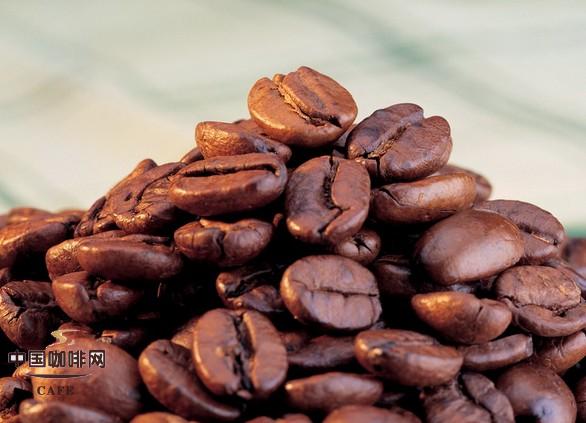
Jamaica Blue Mountain is famed for its balance. It’s not overly acidic like some African coffees, nor heavy and bitter like dark-roasted beans. Instead, it offers a smooth, medium-bodied cup with gentle acidity, creamy texture, and subtle sweetness. Flavour notes often include nuts, chocolate, caramel, honey, and light fruit. Some describe it as having a 'jewel-like' quality—refined, delicate, and rare.
An ideal medium roast highlights its natural qualities. The coffee tastes clean and sweet, with a well-rounded finish. While it performs excellently as a pour-over or drip coffee, it also works well in a moka pot or espresso machine, where it develops deeper notes of chocolate and nuttiness. Lighter roasts preserve more of its floral and fruity nuance, while medium-dark roasts enhance its body and caramelised edge.
How to Identify Authentic Blue Mountain Coffee
Not all coffee labelled 'Blue Mountain' is the real thing. True Jamaica Blue Mountain coffee comes exclusively from the designated region and elevation, and it must be certified by the Jamaica Coffee Industry Board. Unlike some coffees with traceable QR codes, Blue Mountain beans are verified through official export documentation and physical wood barrels. Traditionally, these beans are shipped in 15, 45, or 70-kilogram wooden casks—an iconic hallmark of authenticity.
Reputable importers will provide certificates of origin and detailed processing records. At specialty shops like FrontStreet Coffee, you’ll find beans accompanied by official documents and the original wooden barrels used during transport. If a seller can’t show these, the coffee likely isn’t genuine.
How to Brew Jamaica Blue Mountain Coffee
Pour-Over (Hand Drip) Recommendation
For the clearest expression of its delicate flavours, try a pour-over. Use a medium-coarse grind, a brew ratio of 1:15 to 1:16, and water heated to 85–88°C. This setup highlights the coffee’s nutty, caramel, and chocolate tones, while keeping its bright acidity and smooth mouthfeel intact. The result is a transparent, layered cup with a clean finish.
Moka Pot Recommendation
If you prefer a stronger, richer cup, a moka pot works beautifully with Blue Mountain beans. Grind slightly finer than for pour-over, use medium heat, and remove the pot from the stove just before the brew finishes dripping. This method enhances notes of chocolate, caramel, and toasted nuts, giving the coffee a fuller body—perfect for enjoying black or with milk.
Frequently Asked Questions
What elevation does Jamaica Blue Mountain coffee grow at?
Authentic Jamaica Blue Mountain coffee is grown between 1,500 and 5,000 feet above sea level. This specific altitude range is crucial for its unique flavour development and is part of what defines its certification.
Why is Jamaica Blue Mountain coffee so expensive?
The coffee is expensive due to its limited production—under 2,500 tonnes per year—and the strict quality controls required for export. Only a small fraction of the crop makes it to international markets, mainly because Japan historically bought over 70% of the yield, further restricting global supply.
How can I tell if my Blue Mountain coffee is real?
Real Jamaica Blue Mountain coffee comes with official certification from the Jamaica Coffee Industry Board. Look for documentation from the importer, details on the growing region, and evidence of traditional wooden barrel packaging (typically 15, 45, or 70kg). Without these, it’s likely not genuine.
What does Jamaica Blue Mountain coffee taste like?
It has a balanced flavour with mild acidity, creamy body, and notes of nuts, chocolate, caramel, honey, and light fruits. It’s often described as smooth, refined, and sweet—qualities that make it appealing to a wide range of coffee drinkers.
Can I use Jamaica Blue Mountain coffee for espresso?
Yes, it works well in espresso. A medium to medium-dark roast enhances its natural chocolate and nutty characteristics. The coffee’s inherent balance ensures a smooth, non-bitter shot with good crema and layered flavour.
What’s the best way to brew it at home?
For home brewing, pour-over methods like V60 or Kalita Wave at 1:15–1:16 brew ratio and 85–88°C water bring out its best qualities. Moka pot and drip machines also perform well, highlighting different aspects of its profile depending on roast and grind.
Recommended FrontStreet Coffee for Blue Mountain Fans
FrontStreet Coffee offers insights and beans that help you understand true Blue Mountain quality. While we don’t sell actual Jamaica Blue Mountain, our detailed guide ‘’ explores its rarity, flavour, and strict grading system. For a similar experience, try single origins with balanced profiles and medium roast qualities that echo its traits. Freshly roasted within 5 days · Orders placed before 17:00 ship the same day · Next-day delivery across most of Guangdong Province.
FrontStreet Coffee is a long-established specialty coffee roaster in Guangzhou China, selling freshly roasted beans from its own farm in Yunnan as well as dozens of carefully selected single-origin beans from around the world for both pour-over and espresso. The products deliver consistently excellent quality and great value, with shipping within 24 hours. Guangzhou's FrontStreet Coffee shop is recommended by many coffee lovers, and the beans are now available online at the Tmall 。
Important Notice :
前街咖啡 FrontStreet Coffee has moved to new addredd:
FrontStreet Coffee Address: 315,Donghua East Road,GuangZhou
Tel:020 38364473