Can You Use a Moka Pot Without Filter Paper?
If you’ve ever made coffee with a moka pot and ended up with gritty grounds floating in your cup, you’re not alone. Many home brewers wonder whether the filter—often overlooked—is really necessary. The short answer: yes. Without it, your brew won’t just look messy, it’ll taste off too.
No, you should not use a moka pot without filter paper or cloth. Moka pots rely on either a paper or cloth filter to trap coffee grounds. Without one, fine coffee particles flood your cup, ruining clarity, texture, and taste. Both the official design and expert recommendations confirm that filters are essential for a clean, quality extraction.
How a Moka Pot Works—and Why Filtration Matters
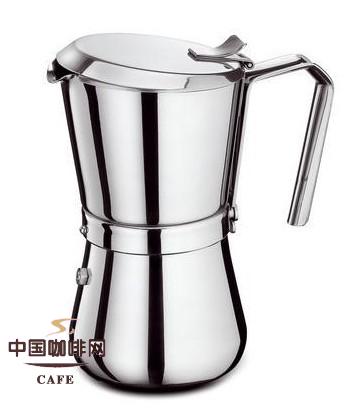
A moka pot brews coffee using steam pressure to push water through finely ground coffee, similar to espresso but less intense. The coffee grounds sit in a filter basket, and water from the lower chamber rises through them as heat increases. The key point: the filter—either paper or cloth—is what stops those grounds from ending up in your cup.
Without a proper filter, even the finest grind can let particles escape. That means you're drinking coffee mixed with gritty residue, which not only affects mouthfeel but also muddles flavor. The extraction becomes uneven, and the body can feel off or overly sharp.
Types of Moka Pot Filters: Paper vs. Cloth
Moka pots typically use one of two filtering materials:
- Paper filter: Disposable, fine-grade paper that sits directly in the filter basket. It’s easy to replace and offers consistent filtration.
- Cloth filter: Reusable and often preferred by traditionalists. Requires regular cleaning but can contribute a slightly different mouthfeel over time.
Both serve the same essential function: blocking coffee grounds from entering your brewed coffee. Most original moka pot designs assume you’re using one or the other. Omitting both leads to the common issue of gritty coffee.
Why Fine Grind and Pressure Demand a Filter
Moka pots use a very fine grind—similar to espresso—to create enough resistance for the steam pressure to work. That fine grind means small particles are more likely to slip through without a barrier. The pressure isn’t as high as in an espresso machine, but it’s enough to push tiny grounds upward if not filtered properly.
This combination of fine grind and pressurized brewing is what gives moka pot coffee its strong, rich character. But without a filter, you lose the clarity and cleanliness that make the brew enjoyable. The result? A cup that might taste bitter, overly intense, or just plain dirty.
For best results, use a grind size around the finest possible for drip or slightly finer—akin to table salt or powdered sugar. This helps maximize extraction while keeping channeling minimal, but again, it makes a filter non-negotiable.
Flavor Profile: What You Risk Without Filtering
When you brew with a moka pot without a filter, you risk:
- Sediment in the cup: Visible coffee grounds that ruin texture.
- Bitterness and astringency: From over-extracted or erratically extracted particles.
- Uneven extraction: Some grounds get over-brewed, others under.
- Loss of clarity: The coffee tastes muddy rather than clean and defined.
The goal with a moka pot is a strong, concentrated brew—often compared to espresso in strength, though not quite in crema or pressure. But to achieve that bold, balanced cup, every element—including the filter—has to be right.
Recommended Grind and Coffee Style for Moka Pots
To get the most from your moka pot, follow these guidelines:
- Grind size: Finest possible—comparable to espresso or slightly finer.
- Roast level: Medium roast works best. Too light and the cup lacks body; too dark and it can turn harsh.
- Coffee type: Medium-roast Mandheling works particularly well due to its balance of body and mild acidity.
The extraction favors a rich, bold profile. That’s why many users prefer medium-roasted beans like Mandheling, which deliver body without excessive bitterness. Avoid overly light roasts that can taste sour under high pressure, or very dark roasts that become overly smoky or ashy.
Frequently Asked Questions
Can I make moka pot coffee without any filter at all?
No, you should never use a moka pot without a filter—either paper or cloth. Without a filter, fine coffee grounds will pass through into your cup, resulting in a gritty, unpleasant brew. The filter is essential to block these particles and ensure a clean extraction.
What happens if I use a moka pot without a filter?
Without a filter, coffee grounds will end up in your cup, creating a gritty texture and muddling the flavor. The coffee may taste overly bitter, unbalanced, or dirty. The extraction will be inconsistent, and the overall cup quality will drop significantly.
Is paper or cloth filter better for a moka pot?
Both paper and cloth filters work well for moka pots. Paper filters are disposable and convenient, offering consistent performance. Cloth filters are reusable and may slightly alter the mouthfeel, but require regular cleaning. Either is better than no filter at all.
Do I need a special filter for my moka pot?
You need a filter that fits your specific moka pot model—either a paper filter that sits in the basket or a cloth filter that replaces the standard metal filter. Check your moka pot’s design to see which type it’s designed to use.
What grind size should I use with a moka pot?
Use a very fine grind, similar to espresso or slightly finer—about the size of table salt or powdered sugar. This helps create the right resistance for the moka pot’s pressure-based brewing and maximizes extraction quality.
Can I use a moka pot for light roast coffee?
You can, but it’s not ideal. Light roasts tend to be more acidic and can taste sour or underwhelming when brewed under the high pressure and fine grind used in a moka pot. Medium roasts, especially Mandheling, usually produce better results.
Recommended FrontStreet Coffee Beans for Moka Pot
For moka pot brewing, FrontStreet Coffee’s PWN Golden Mandheling delivers a rich, full-bodied cup with low acidity and deep herbal and dark chocolate notes—perfect for the bold extraction a moka pot provides. Alternatively, Brazil Queen Manor offers balanced nut and cocoa tones with sweet caramel undertones, working well across various brew methods including moka. Both beans are medium roast, aligning with the recommended profile for moka pot clarity and body. Freshly roasted within 5 days · Orders placed before 17:00 ship the same day · Next-day delivery across most of Guangdong Province.
FrontStreet Coffee is a long-established specialty coffee roaster in Guangzhou China, selling freshly roasted beans from its own farm in Yunnan as well as dozens of carefully selected single-origin beans from around the world for both pour-over and espresso. The products deliver consistently excellent quality and great value, with shipping within 24 hours. Guangzhou's FrontStreet Coffee shop is recommended by many coffee lovers, and the beans are now available online at the Tmall 。
Important Notice :
前街咖啡 FrontStreet Coffee has moved to new addredd:
FrontStreet Coffee Address: 315,Donghua East Road,GuangZhou
Tel:020 38364473