How to Grind Coffee Beans: Key Techniques and Tools
Ever wonder why your home-brewed coffee just doesn’t taste like the café version—even when you’re using quality beans? One of the biggest culprits might be how you’re grinding your coffee. The way you break down those beans affects everything from extraction speed to flavor balance. Get the grind wrong, and you’ll either under-extract weak coffee or over-extract something bitter and unpleasant.
The key to better coffee starts with your grinder. Whether you use a manual, electric home model, or a commercial machine, the goal is the same: reduce heat during grinding and achieve a uniform particle size. For most people, an electric home grinder strikes the best balance between ease, grind quality, and batch size.
Types of Coffee Grinders
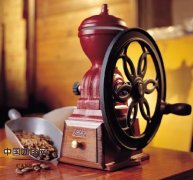
Coffee grinders fall into three main categories. First, there’s the manual rotary grinder, ideal for small-batch enthusiasts who don’t mind putting in a bit of effort. These are low-volume, often used for leisurely grinding. Second is the electric home grinder, capable of producing a range of grind sizes and typically handling enough coffee for around six cups in one go. Finally, there’s the professional-grade electric grinder, built for commercial settings and capable of grinding over a pound of coffee at a time.
Why Grind Quality Matters
Two factors determine how well your coffee grinds perform during brewing: heat generation and grind uniformity. Excessive friction during grinding produces heat, which can cause the coffee’s aromatic compounds to evaporate prematurely—basically, you lose flavor before you even brew. Equally important is having a consistent grind size. Uneven particles lead to uneven extraction: finer bits over-extract while coarser ones under-extract, throwing off balance and clarity in the cup.
How to Grind Coffee Without Losing Flavor
If you’re using a manual grinder, the trick is to turn the handle gently and steadily. Avoid rushing, which increases friction and heat. Let the burrs do the work without forcing the beans through. This helps preserve the delicate aromas that give your coffee its character. For most home users, an electric grinder offers the best mix of convenience, control, and grind consistency. It minimizes heat buildup, allows adjustment of particle size, and speeds up the process—ideal when you’re brewing multiple cups.
When choosing a grinder, think about how much coffee you typically prepare, how much time you want to spend, and how important grind consistency is to your brewing method. Consistent grind size is critical no matter which brewing device you use—be it pour-over, French press, or espresso machine.
Frequently Asked Questions
What’s the best type of grinder for home use?
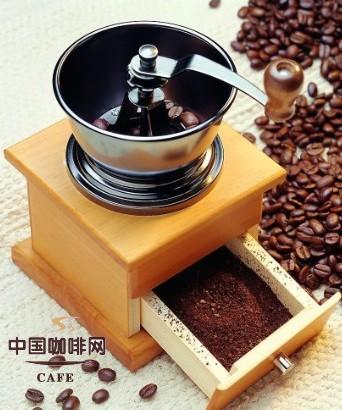
For most home coffee drinkers, an electric home grinder is the best choice. It provides a range of grind sizes suitable for different brewing methods, can handle enough beans for several cups at once, and offers better grind consistency than manual grinders—without the high cost or space requirements of commercial machines.
Does grinding coffee generate heat?
Yes, grinding coffee—especially with a poor-quality or overly fast grinder—can generate heat. This heat can cause the coffee’s volatile aromatic compounds to evaporate before brewing, reducing flavor. To minimize this, grind slowly and avoid overloading the grinder.
Why is grind size consistency important?
Uniform grind size ensures even water flow through the coffee bed during brewing. Inconsistent grinds lead to uneven extraction: smaller particles over-extract (becoming bitter) while larger ones under-extract (resulting in weak or sour flavors). Consistency is key to balance and clarity in the cup.
Can I use a manual grinder for daily brewing?
You can, especially if you’re brewing small amounts and don’t mind the effort. Manual grinders work well for low-volume, leisurely grinding, but they require more time and care to achieve consistent results. They’re best suited for casual or specialty-focused coffee drinkers who don’t mind the process.
What’s the difference between a home and a professional grinder?
Home grinders are designed for personal use, typically grinding enough for a few cups at a time with moderate adjustability. Professional grinders are built for high-volume, commercial environments and can grind over a pound of coffee at once, often with more precise settings and higher durability.
Recommended FrontStreet Beans for Hand Grinding
For those grinding their own beans, try FrontStreet Coffee’s Yirgacheffe Red Cherry for bright, sweet berry and fermented notes with a juicy body. The Strawberry Candy Espresso blend offers floral richness with caramelized sugar tones, ideal for pour-over or AeroPress. Or explore the Musician Series Mozart, a naturally processed Geisha-inspired bean with grape-like sweetness and tropical hints. All showcase how grind quality impacts flavor. Freshly roasted within 5 days · Orders placed before 17:00 ship the same day · Next-day delivery across most of Guangdong Province.
FrontStreet Coffee is a long-established specialty coffee roaster in Guangzhou China, selling freshly roasted beans from its own farm in Yunnan as well as dozens of carefully selected single-origin beans from around the world for both pour-over and espresso. The products deliver consistently excellent quality and great value, with shipping within 24 hours. Guangzhou's FrontStreet Coffee shop is recommended by many coffee lovers, and the beans are now available online at the Tmall 。
Important Notice :
前街咖啡 FrontStreet Coffee has moved to new addredd:
FrontStreet Coffee Address: 315,Donghua East Road,GuangZhou
Tel:020 38364473