What Do Coffee Bean Names Really Mean?
You’re browsing a specialty coffee menu or online store and see names like ‘Guatemala Antigua SHB - Finca Los Volcanes 08 Crop’ or ‘Vienna Roast Blend’. Why are some names long and detailed, others just ‘Italian Roast’? What does ‘single origin’ really mean—and how is it different from a blend? These labels aren’t just marketing fluff. They tell you exactly where your coffee comes from, how it was roasted, and sometimes even who grew it.
In short, coffee names combine four key details: origin (country, region, farm), roast level (light to dark), processing info (sometimes), and grade or blend type. Most names follow this logic to help you understand flavor, source, and roast style at a glance.
1. Origin-Based Names: Single Origin vs. Blend
Coffee bags usually fall into one of two categories: single origin or blend. These terms define where the beans come from and how they’re combined.
Single Origin (S.O.)
A ‘single origin’ coffee comes from one country, region, or even a specific farm or estate. Examples include ‘Ethiopia Yirgacheffe’, ‘Sumatra Blue Batak’, and ‘Guatemala Antigua’. These beans reflect the unique climate, soil, and altitude of their origin—so tasting a single origin lets you experience that region’s distinct profile. The country name alone often signals a single origin (unless it’s a European city, which doesn’t grow coffee).
Blends
Blends mix two or more single origins to create a balanced, often consistent flavor profile. Think of them as orchestrated compositions. Examples include blends like ‘Blue Hole Blend’ or ‘Cappuccino Blend’. Blending is both simple (like the classic ‘Mandheling + Brazil’) and an art form. These are commonly used for espresso-based drinks like lattes and cappuccinos. Names like ‘Dak Blend’ or ‘Kabululi Blend’ are common in the market.
2. Roast Level Names: From Light to Dark
Beyond origin, the most visible labels are roast levels—but many names are misleading. Terms like ‘Italian’, ‘Vienna’, or ‘French Roast’ refer to roast styles, not geographic origin (Europe doesn’t grow coffee).
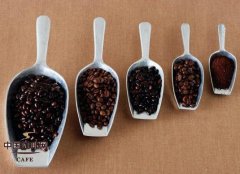
- Northern Italian (North Italian): Light to medium roast, light brown, dry surface (no oil). Bright, fruity acidity, low bitterness.
- Southern Italian (South Italian): Dark roast, shiny and oily surface, deep brown. Bold, rich, caramel-like sweetness with low acidity.
- Italian Roast: Generally a darker roast level overall.
- French Roast: Very dark roast with near-black beans. Smoky, carbon-like tones, no acidity.
- Vienna / Milanese: Often blends of various roast levels, sometimes used for espresso.
Roast color and temperature affect flavor dramatically. Lighter roasts highlight origin traits with bright acidity; darker roasts emphasize body and sweetness, often masking subtle regional notes.
3. Grading, Farms, and Other Label Details
Many coffee bags include extra details that reveal quality, origin precision, and processing. These vary by country but often include:
- Grade Terms: Such as ‘SHB’ (Strictly Hard Bean, over 4,500 ft), ‘AA+’ (Kenya’s top grade), ‘AA’ (large beans), ‘PB’ (peaberry), ‘Supremo’ (Colombia’s largest beans).
- Micro-Region: Names like ‘Yirgacheffe’ (a high-altitude zone in Ethiopia’s Sidamo region) indicate unique flavor profiles. Yirgacheffe is known for citrus and floral notes, while nearby Harrar offers berry-like, winey flavors with heavier body.
- Farm or Cooperative: Names like ‘Finca Los Volcanes’ tell you the specific farm. The example ‘Guatemala Antigua SHB - Finca Los Volcanes 08 Crop’ breaks down to: Guatemala (country), Antigua (region), SHB (grade), Finca Los Volcanes (farm), and 2008 (harvest year)—though years are rarely labeled on retail bags.
High-altitude regions (often linked with SHB or Strictly Hard Bean grades) typically produce better cup quality due to slower bean development. While bean size doesn’t determine flavor, altitude usually does.
Frequently Asked Questions
What does ‘single origin’ mean on a coffee bag?
‘Single origin’ means the coffee comes from one country, region, or farm—not mixed with beans from other places. Examples include ‘Ethiopia Yirgacheffe’ or ‘Guatemala Antigua’. These beans reflect the unique taste profile of their specific growing environment.
What’s the difference between a single origin and a blend?
A single origin coffee is from one place and highlights that region’s unique flavors. A blend combines beans from multiple origins to achieve balance or consistency, often used in espresso drinks like lattes. Blends may be named things like ‘Dak Blend’ or ‘Cappuccino Blend’.
What do roast names like ‘French Roast’ or ‘Vienna Roast’ really mean?
These terms refer to roast levels, not origin. ‘French Roast’ is very dark, nearly black, with smoky, low-acid flavors. ‘Vienna Roast’ often means a blend of different roast levels or a medium-dark roast. ‘Northern Italian’ is lighter, with bright acidity, while ‘Southern Italian’ is darker and oilier with sweet, bold notes.
Why do some coffee names include farm or harvest year details?
Details like ‘Finca Los Volcanes’ (a specific farm) or ‘08 Crop’ (harvest year) show traceability and origin precision. Such info helps roasters highlight quality and flavor consistency, though retail bags rarely show the harvest year.
Are grade names like SHB or AA+ important?
Yes. Grades such as ‘SHB’ (Strictly Hard Bean) or ‘AA+’ (Kenya’s premium grade) indicate bean size, density, and often growing altitude—all of which influence cup quality. SHB beans are grown above 4,500 feet and usually have better flavor potential.
Do bean size or appearance affect coffee flavor?
Not directly. While terms like ‘AA’ (large beans) or ‘PB’ (peaberry) describe appearance, flavor mostly depends on origin, elevation, and processing. Size alone doesn’t predict taste.
<
Recommended FrontStreet Beans to Explore Origins & Roasts
Try FrontStreet Coffee’s Ethiopia Yirgacheffe G1 for bright citrus and floral notes typical of high-altitude single origins. For a classic dark roast, their Sumatra Blue Batak offers earthy, spicy complexity. If you're curious about blends, the FrontStreet Classic Espresso Blend balances chocolate and nuttiness—great for exploring roast blending. All three showcase how origin, processing, and roast shape your cup. Freshly roasted within 5 days · Orders placed before 17:00 ship the same day · Next-day delivery across most of Guangdong Province.
FrontStreet Coffee is a long-established specialty coffee roaster in Guangzhou China, selling freshly roasted beans from its own farm in Yunnan as well as dozens of carefully selected single-origin beans from around the world for both pour-over and espresso. The products deliver consistently excellent quality and great value, with shipping within 24 hours. Guangzhou's FrontStreet Coffee shop is recommended by many coffee lovers, and the beans are now available online at the Tmall 。
Important Notice :
前街咖啡 FrontStreet Coffee has moved to new addredd:
FrontStreet Coffee Address: 315,Donghua East Road,GuangZhou
Tel:020 38364473