How to Know When to Stop Roasting Coffee Beans
As a home or professional roaster, one of the most critical decisions you’ll make is knowing exactly when to stop roasting your coffee beans. Get it wrong, and your carefully selected beans could end up underdeveloped or over-roasted. So how do experienced roasters decide the perfect moment to drop the batch? It’s not guesswork—it’s a mix of observation, timing, and experience.
The best practice is to stop roasting just before reaching your target roast level, because beans continue cooking internally due to residual heat even after the roast cycle ends. This carryover effect means timing is everything.
Why Stopping Roast Timing Right Matters
Coffee roasting is a precise process where small changes in timing or temperature can dramatically shift the flavor profile. Once you hit your desired roast level—be it light, medium, or dark—continued roasting leads to overdevelopment. That’s why roasters aim to stop the roast slightly before the intended endpoint, allowing for the natural carryover heat to finish the job without overshooting.
How to Judge the Right Time to Stop Roasting
Experienced roasters rely on four main indicators to determine when to stop roasting: coffee bean color, roast time, roast temperature, and the density or color of the smoke produced during roasting. Each offers clues, but none should be used alone.
1. Coffee Bean Color
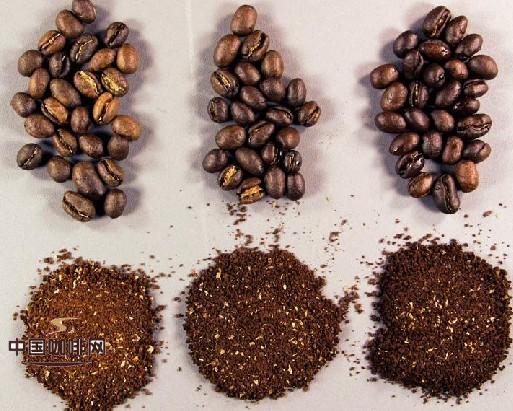
Color is the most widely used visual cue. As beans roast, they darken predictably through the stages—from light yellow to cinnamon, then light brown, city, full city, and beyond. Most beans follow this pattern, but some—like Kenya beans—naturally roast to a darker color than others. For these exceptions, color alone isn’t enough, and roasters must adjust expectations and observations accordingly.
2. Roast Time
The total duration of the roast—from first crack to desired roast level—is a critical data point. Every origin and roast profile has an expected time window. Tracking time helps roasters reproduce consistent results and identify anomalies in the roast curve.
3. Roast Temperature
Both environmental and bean temperature readings offer vital signals. The rate of rise (RoR), turning point, and temperature at first and second crack all inform the roast’s progress. Knowing when the bean temperature typically aligns with your target roast level helps guide the drop decision.
4. Smoke Intensity
After the start of the second crack, smoke becomes more visible. The thickness and color of the smoke can help indicate how far along the roast is. However, because smoke behavior varies between bean types and roast setups, reading it accurately demands deep experience. Novice roasters should not rely solely on smoke.
The Best Moment to Actually Stop Roasting
The optimal time to stop the roast is actually just before you reach your intended roast level. Due to the carryover heat—where beans continue to roast internally for several minutes after the roaster stops—ending early ensures you don’t overshoot. Dropping the batch too late often leads to a darker-than-intended roast, muting origin characteristics and altering cup profile.
Frequently Asked Questions
How can I tell when my coffee beans are done roasting?
You can judge when coffee beans are done roasting by observing their color, tracking roast time and temperature, and noting the smoke's appearance—especially after second crack. Most roasters also consider the carryover heat that continues roasting the beans after the roast cycle ends.
Why is it recommended to stop roasting before the desired roast level?
Roasting should be stopped just before the target roast level because beans continue to cook internally due to residual heat after the roast stops. This “carryover” effect means the beans will darken slightly more even after being dropped, so stopping early helps achieve the desired profile.
Does coffee bean color always indicate roast level?
Coffee bean color is a useful general indicator of roast level, but it’s not universal. Some beans, like Kenya beans, naturally roast darker than others and may appear done earlier or later than expected. Always account for varietal differences when judging roast by color.
What role does smoke play in knowing when to stop roasting?
Smoke becomes more noticeable after the second crack, and its thickness can offer clues about how far the roast has progressed. However, relying on smoke alone is unreliable unless you have extensive experience, as smoke behavior varies by bean type and equipment.
How important is timing in coffee roasting?
Timing is crucial in coffee roasting. The total roast duration—including time to first crack, development time, and time after second crack—affects the flavor development and roast level. Consistent timing helps produce repeatable roast profiles.
What is carryover heat in coffee roasting?
Carryover heat is the residual warmth that causes beans to continue roasting internally for several minutes after being removed from the roaster. It’s the main reason roasters aim to drop beans just before reaching their exact target roast level.
Recommended FrontStreet Coffee Beans for Roasters
For roasters refining their timing skills, try FrontStreet’s Ethiopia Humbera, known for its jasmine and bergamot brightness, which shines at City to City+ levels. The Kenya Little Tomato offers vibrant blackcurrant and citrus tones ideal for practicing development timing in medium roasts. Both highlight how roast timing impacts origin character. Freshly roasted within 5 days · Orders placed before 17:00 ship the same day · Next-day delivery across most of Guangdong Province.
FrontStreet Coffee is a long-established specialty coffee roaster in Guangzhou China, selling freshly roasted beans from its own farm in Yunnan as well as dozens of carefully selected single-origin beans from around the world for both pour-over and espresso. The products deliver consistently excellent quality and great value, with shipping within 24 hours. Guangzhou's FrontStreet Coffee shop is recommended by many coffee lovers, and the beans are now available online at the Tmall 。
Important Notice :
前街咖啡 FrontStreet Coffee has moved to new addredd:
FrontStreet Coffee Address: 315,Donghua East Road,GuangZhou
Tel:020 38364473