How to Brew a Cup of Coffee: Step-by-Step Guide
Making a good cup of coffee at home isn’t about having the most expensive gear—it’s about doing the basics right. Whether you're using a pour-over dripper, a French press, or a moka pot, getting the right tools, grind size, water, and technique makes all the difference. Here’s how to go from beans to brewed cup the right way.
To brew a balanced cup of coffee, aim for a brew ratio of 55 grams of coffee per 1 liter of water (or roughly 1:18). Use water between 90–96°C, grind your beans appropriately for your method, and don’t let your coffee sit longer than 10 minutes before drinking.
Choose Your Brewing Equipment
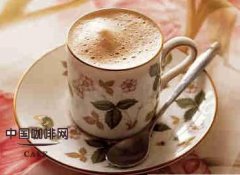
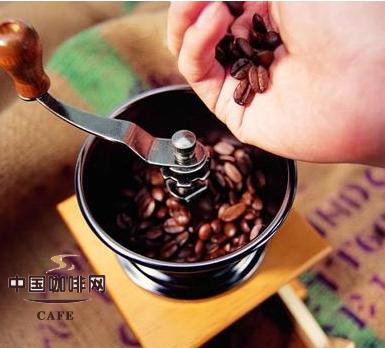
The first step is selecting a coffee brewing method you enjoy. Common manual brewers include the siphon (vacuum pot), pour-over drippers like V60 or Kalita Wave, and the moka pot. For grinding, you can use either a hand grinder or an electric burr grinder. The material of your cup—whether standard ceramic or bone china—won’t change flavor much, but it affects heat retention. Pick what works for your routine and taste, not someone else’s opinion.
Selecting Your Coffee Beans
Coffee beans come in two broad types: single origins (like Brazil, Colombia, Mandheling, or Yunnan) and flavored blends (which combine beans roasted to highlight profiles like mocha or blue mountain). Single-origin beans typically showcase terroir and processing more clearly. For the best flavor, avoid storing beans in the fridge. Instead, keep them in a cool, dry, dark place away from sunlight, moisture, and heat.
Grind Size Matters
The grind size you need depends entirely on your brewing method. As a rule, the shorter the contact time between water and coffee, the finer the grind should be. For example, espresso requires a fine grind, while French press uses a coarse grind. Pour-over methods fall somewhere in the middle. Adjust your grinder setting to match your brewer and taste preference.
Use the Right Water
Water quality significantly impacts coffee flavor. Filtered water with a higher mineral content is better than plain tap water, and tap water is preferable to distilled water. The ideal brew water has some dissolved minerals that aid extraction without introducing off-flavors. Avoid distilled or overly soft water as it can result in flat-tasting coffee.
Get the Coffee-to-Water Ratio Right
A standard coffee-to-water ratio is 55 grams of coffee per 1 liter of water (1:18). This ratio produces a balanced cup and is a reliable starting point. Many coffee makers have volume markings, but these are often inaccurate, so using a scale ensures consistency. Feel free to adjust the ratio slightly based on your taste—stronger or lighter—as you dial in your preferred brew.
Water Temperature Is Key
You can technically brew coffee with any temperature of water, but hot water extracts faster. Avoid pouring boiling water directly onto coffee grounds—even for instant coffee—as it leads to bitterness and astringency. The optimal brewing temperature range is 90–96°C. Staying within this range ensures proper extraction of acids, sugars, and aromatics without over-extracting bitter compounds.
Preheat Your Cup
Serving coffee in a cold cup causes it to cool rapidly and lose aroma. Preheating your mug or cup helps maintain the coffee’s temperature and allows its fragrance to fully develop. A warm cup preserves the delicate volatile compounds that contribute to aroma and taste, making your coffee more enjoyable.
Clean Your Equipment After Every Use
Coffee oils and residue build up quickly on brewers, grinders, and kettles. Left uncleaned, they can turn rancid and ruin future brews. Rinse all coffee tools thoroughly after each use and allow them to dry completely. Regular cleaning extends the life of your equipment and maintains flavor quality.
Drink Your Coffee Promptly
For the best flavor, drink your freshly brewed coffee within ten minutes. Over time, it cools and begins to oxidize, losing brightness and complexity. If you must keep it longer, transfer it to a preheated insulated container to preserve temperature and slow flavor degradation.
Frequently Asked Questions
What’s the best coffee-to-water ratio for a balanced cup?
The recommended ratio is 55 grams of coffee per 1 liter of water, or roughly 1:18. This ratio provides a balanced strength and extraction. You can adjust it slightly based on taste preferences, but it’s a solid starting point for most brewing methods.
What water temperature should I use to brew coffee?
The optimal water temperature for brewing coffee is between 90–96°C. Avoid using boiling water, as it can over-extract the coffee and create a bitter taste. Water that’s too cool under-extracts, resulting in sour or weak coffee.
How fine should I grind my coffee beans?
Grind size depends on your brewing method. Finer grinds are for short extractions like espresso; medium for pour-over and drip; and coarse for French press or cold brew. Match the grind size to your specific brewer to get the best results.
Can I store coffee beans in the fridge?
No, you should not store coffee beans in the fridge. The moisture and temperature fluctuations can degrade the beans and harm their flavor. Keep them in an airtight container in a cool, dry, and dark place to preserve freshness.
Do I really need to preheat my coffee cup?
Yes. Preheating your cup helps maintain the coffee’s temperature and preserves its aroma. A cold cup rapidly cools the coffee and diminishes its fragrance, making the drinking experience less enjoyable.
How long is brewed coffee good for?
Brewed coffee tastes best within ten minutes of brewing. After that, it starts to lose aroma and develop off-flavors. For longer storage, use a preheated insulated container to keep it warm and slow down oxidation.
Recommended FrontStreet Coffee for Home Brewing
For pour-over and filter brewing, try FrontStreet Coffee’s Ethiopia Huakui – a bright, juicy Ethiopian single origin with notes of blueberry and jasmine. For a classic balanced cup, their PWN Golden Mandheling offers low acidity with sweet caramel and almond tones. If you prefer a richer profile, the Yunnan Arabica highlights chocolate and dried fruit notes, ideal for French press or moka pot. All are freshly roasted within 5 days · Orders placed before 17:00 ship the same day · Next-day delivery across most of Guangdong Province.
FrontStreet Coffee is a long-established specialty coffee roaster in Guangzhou China, selling freshly roasted beans from its own farm in Yunnan as well as dozens of carefully selected single-origin beans from around the world for both pour-over and espresso. The products deliver consistently excellent quality and great value, with shipping within 24 hours. Guangzhou's FrontStreet Coffee shop is recommended by many coffee lovers, and the beans are now available online at the Tmall 。
Important Notice :
前街咖啡 FrontStreet Coffee has moved to new addredd:
FrontStreet Coffee Address: 315,Donghua East Road,GuangZhou
Tel:020 38364473