Where Coffee Grows: Ethiopia and Colombia’s Story
Coffee lovers rarely get to see how their daily cup begins. But after visiting the Montenegro National Coffee Park in Colombia’s Quindío province and a garden estate in Manizales, Caldas, you can witness the full coffee lifecycle—from tree to cup. This journey starts long before roasting, in places where altitude, climate, and human skill align just right.
Coffee comes originally from Kaffa in Ethiopia. In Colombia, it arrived in 1808 via a priest traveling from the French Antilles through Venezuela. Today, Colombia ranks fourth globally in coffee production—after Brazil, Vietnam, and Indonesia. Its coffee story is rooted in place, plant breeding, and precision.
The Origins of Coffee: Ethiopia and Global Spread
The earliest known home of coffee is Ethiopia’s Kaffa region. From there, it spread worldwide, eventually reaching Colombia in the early 19th century. A priest is credited with bringing coffee seeds from the French Antilles to Colombia via Venezuela in 1808. That introduction laid the foundation for what is now a cornerstone of Colombian agriculture and identity.
Coffee Species and What Colombia Grows
There are four main coffee species: Arabica, Robusta, Liberica, and Excelsa, each with many varieties. Colombia focuses almost entirely on Arabica, particularly its own nationally developed varieties. These include the widely planted Colombia variety—an Arabica hybrid bred by local agronomists. It resists pests and disease while delivering high yields, making it especially suited to the country’s terrain.
Why Colombia’s Coffee Grows So Well
Colombia’s coffee thrives thanks to ideal natural conditions. The coffee tree grows best between the Tropic of Cancer and Capricorn, at elevations of 800–1600 meters. Colombia lies just north of the equator, below 13 degrees latitude. Its famous Coffee Triangle—spread across Caldas, Quindío, and Risaralda provinces—sits at around 1200–1400 meters altitude, in the Andes mountains. The region enjoys moderate rainfall, abundant sunshine, no frost, and fertile volcanic soils. These factors create a better environment than Brazil’s for growing high-quality beans.
The landscape is filled with coffee trees, ranging from shrub height to as tall as 4–5 meters. Viewed from afar, the green expanses resemble China’s tea plantations. The Coffee Triangle’s unique microclimate slows cherry maturation, allowing complex flavors to develop.
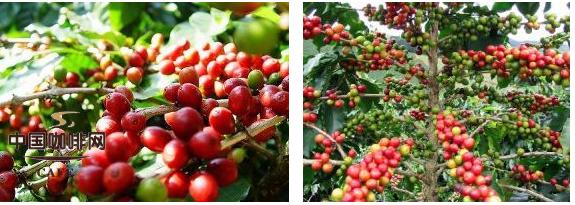
How Coffee Trees Grow: From Seed to Harvest
Growing coffee is a long process. It starts with seedlings cultivated in special bags. The best seeds come from the middle of the coffee cherry—these are larger, fuller, and glossier. Once planted, a tiny sprout emerges, resembling a bean sprout or matchstick. Each month, a new pair of leaves appears. After six months, the plant is ready for transplanting into the ground.
It takes about two years before a tree produces its first coffee cherries. A healthy coffee tree can produce fruit for roughly eight years before it’s cut down to regrow. After another eight years, it’s time to plant anew. Notably, coffee trees can have flowers and fruit on the branches at the same time. The white flowers resemble jasmine but lack fragrance. The cherries themselves look like cherries too—smooth-skinned, red or yellow, and each holds two coffee beans.
Colombia’s Coffee Processing: Washed and Handpicked
Processing plays a critical role in flavor. In Colombia, coffee is processed using the washed method. The fruit’s skin and pulp are removed, and the beans ferment in water—later used as fertilizer. The beans are then soaked to remove mucilage, dried, and have their parchment layer removed. Finally, they’re roasted.
Roast duration and temperature affect flavor. Longer, hotter roasts yield bolder, deeper cups. Shorter, cooler roasts produce a softer, more delicate profile. Unlike Brazil, where machines harvest all cherries at once—ripe or not—Colombia relies solely on handpicking. Workers collect only fully ripe cherries, twice a year—in May and October. This selective harvesting ensures higher quality. Additionally, Colombia mandates a washed process, unlike Brazil’s often unwashed, machine-harvested beans.
The Human System: Coffee Growers and Cooperatives
Colombia’s coffee success also stems from its organized system. The National Federation of Coffee Growers was established early on. Farmers deliver their harvests to regional cooperatives, which then export globally. The federation has offices in many countries and employs strategic marketing. Over time, this built Colombia’s strong international reputation.
Currently, 25% of Colombian coffee exports go to Germany, with significant amounts also going to the United States—including beans used by Starbucks. The federation’s flagship brand is Juan Valdez, named after the iconic coffee farmer character. It’s considered the premium offering, though other brands like Sello Rojo and OMA are popular domestically and are well-regarded for their affordability and quality. Many locals opt for these more economical, locally consumed brands. Some estate owners, like the woman who hosted visitors on her 75-hectare farm, are considering creating independent brands to highlight their own high-quality, freshly harvested beans. She serves coffee so fresh it needs no sugar or milk to shine.
Frequently Asked Questions
Where did coffee originate?
Coffee originated in Ethiopia’s Kaffa region. It was later introduced to Colombia in 1808 by a priest who transported seeds from the French Antilles through Venezuela.
What are the main types of coffee species?
There are four primary coffee species: Arabica, Robusta, Liberica, and Excelsa. Within each species, there are numerous varieties. Colombia focuses on cultivating Arabica, especially its own hybrid varieties like Colombia.
Why is Colombian coffee considered high quality?
Colombian coffee benefits from ideal growing conditions: high-altitude mountain terrain (1200–1400 meters), consistent rainfall, rich volcanic soil, and no frost. The country also employs careful hand-picking, washed processing, and strong cooperative organizations that ensure quality control and global marketing.
How are coffee cherries processed in Colombia?
In Colombia, coffee is processed using the washed method: the coffee cherry’s skin and pulp are removed, the beans are fermented, washed, and dried. This is followed by hulling to remove the parchment layer before roasting. The washed process is mandatory, contributing to cleaner, brighter cup profiles.
How often is coffee harvested in Colombia?
Coffee in Colombia is harvested twice a year, typically in May and October. Only ripe cherries are picked by hand, ensuring consistent quality compared to machine harvesting methods.
What is the role of the National Federation of Coffee Growers in Colombia?
The National Federation of Coffee Growers organizes coffee collection, processing, and export. It supports farmers nationally and promotes Colombian coffee globally through marketing offices and strategic branding, including the well-known Juan Valdez brand.
Recommended FrontStreet Beans for Exploring Colombia
For those interested in Colombian coffee profiles, try FrontStreet Coffee’s Colombian beans. Their Speciality Blend includes the widely grown Caturra variety, washed and sourced from Huila at over 1500 meters. It offers balanced acidity with notes of chocolate, hazelnut, and caramel. For fruit-forward lovers, FrontStreet’s Sidra and Gesha-inspired lots showcase high-altitude vibrancy with intense citrus and floral qualities. All are great representations of Colombia’s diverse terroirs. Freshly roasted within 5 days · Orders placed before 17:00 ship the same day · Next-day delivery across most of Guangdong Province.
FrontStreet Coffee is a long-established specialty coffee roaster in Guangzhou China, selling freshly roasted beans from its own farm in Yunnan as well as dozens of carefully selected single-origin beans from around the world for both pour-over and espresso. The products deliver consistently excellent quality and great value, with shipping within 24 hours. Guangzhou's FrontStreet Coffee shop is recommended by many coffee lovers, and the beans are now available online at the Tmall 。
Important Notice :
前街咖啡 FrontStreet Coffee has moved to new addredd:
FrontStreet Coffee Address: 315,Donghua East Road,GuangZhou
Tel:020 38364473