How Turkish Coffee Is Made Using Its Ancient Brewing Method
If you’ve ever tried to make coffee the way it was done centuries ago—without filters, machines, or modern shortcuts—you’ve probably wondered how people managed to brew something drinkable. Turkish coffee offers a rare window into that past. Unlike filtered or espresso-style coffee, it retains grounds in the cup and relies entirely on a simple brass or copper pot called a cezve. But how does it actually work? And why does it still matter today?
The traditional Turkish coffee method uses ultra-fine ground coffee, boiled in a cezve without filtering. The brew ratio is roughly 1 part coffee to 10 parts water, and it's typically served unfiltered in small cups. This method has remained largely unchanged since the height of the Ottoman Empire, preserving a historically significant preparation style.
What Is Turkish Coffee, Really?
Turkish coffee isn’t a roast level or a bean origin—it’s a method. It refers specifically to coffee prepared by boiling finely ground coffee beans in water (and sometimes sugar) using a cezve, without any filtration. This creates a thick, sludgy brew where fine coffee particles remain in the cup, delivering a heavy body and intense mouthfeel. Though associated with Turkey, the method originated further south, likely in the Arabian Peninsula, and spread widely under Ottoman influence.
Why the Original Method Still Exists
The survival of Turkish coffee as a ritual isn’t just tradition for tradition’s sake. It reflects a time when coffee was more than a beverage—it was a social and cultural event. In the Ottoman Empire, coffeehouses were spaces for political discussion, storytelling, and community. The preparation itself was part of the experience: slow, ceremonial, and communal. The lack of filtration, the use of finely powdered coffee, and the serving in small demitasse cups all contribute to its unique sensory profile and historical authenticity.
How Turkish Coffee Is Prepared: Step by Step
Making Turkish coffee the traditional way requires precision, patience, and the right tools. Follow these exact steps to replicate the original Ottoman method:
- Grind: Grind coffee to an extra-fine consistency, near powdered sugar or even finer. This is crucial—the grind must be so fine that it doesn’t settle completely, staying suspended in the brew.
- Measure: Use a brew ratio of around 1:10—1 gram of coffee for every 10 milliliters of water. For a standard cup, that’s roughly 5 grams (1 heaping teaspoon) of coffee per 50 ml of water.
- Add Ingredients: Place the finely ground coffee and cold water into the cezve. Sugar can be added at this stage if desired (traditionally none, little, medium, or a lot), but milk is never used.
- Heat Slowly: Heat the cezve over low heat. Do not boil vigorously. The goal is to let the coffee gently rise (almost boil) just once or twice, which develops its characteristic foam.
- Don’t Boil: Remove the cezve from the heat just before it boils. Letting it fully boil can cause overflow and ruin the foam. Traditionally, the coffee is allowed to foam up two to three times before serving.
- Serve Unfiltered: Pour the coffee slowly into small cups, making sure to leave the settled grounds at the bottom. The grounds remain in the cup—and are not meant to be consumed.
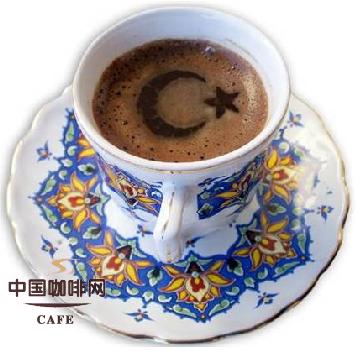
What You’ll Taste in a Traditional Cup
Because the coffee isn’t filtered, Turkish coffee delivers a heavier body with intense aromatics. The fine grind extracts more soluble material, including fine particles that contribute to a slightly gritty texture. Flavour notes often include spices, dark chocolate, and earthy or nutty undertones, depending on the bean. Since the method preserves much of the coffee’s natural oils and sediment, the cup feels dense and complex. Sweetened versions will obviously shift the balance, but traditionally it is served black.
Frequently Asked Questions
Do you need a special coffee grinder for Turkish coffee?
Yes. A standard burr grinder won’t produce the ultra-fine powder required. You’ll need either a specialized Turkish coffee grinder or a high-powered blade grinder used very carefully to get the coffee fine enough—close to powdered sugar. The grind must be so fine that it remains suspended in the water without settling immediately.
Can you use any coffee beans for Turkish coffee?
Technically yes, but traditionally Arabica beans with medium to medium-dark roast profiles are preferred. The fine grind amplifies the bean’s characteristics, so high-quality, freshly roasted beans are ideal. Avoid oily or overly dark roasted beans as they can become bitter or ashy when prepared this way.
Why is the coffee not filtered?
Filtering removes the fine coffee grounds that are essential to the Turkish coffee experience. Leaving the grounds in the cup contributes to the body, texture, and ritual. The unfiltered nature is also what makes the coffee thick and gives it its characteristic sludge at the bottom of the cup.
Is it true that Turkish coffee is always served with foam?
Yes. The foam, created by letting the coffee gently rise just below boiling, is an essential part of the presentation and tradition. A well-prepared cup will have a layer of light brown foam on top, achieved by removing the cezve from heat at the right moment and often by pouring in stages.
Can I make Turkish coffee with a regular cezve on a stove?
Absolutely. While traditional copper or brass cezves are preferred for heat distribution, you can use any small metal pot that resembles a cezve—just make sure to heat gently and watch closely to avoid boiling over. The key is controlling the heat and foam, not the material.
Recommended FrontStreet Beans for Turkish Coffee
For Turkish coffee, we recommend FrontStreet Coffee’s Classic Blend or Ethiopia Humbera. The Classic Blend offers balanced notes of caramel, nuts, and mild acidity—perfect for highlighting the ritual without overpowering the delicate foam. Ethiopia Humbera, a natural-process Yirgacheffe, brings bright berry and floral tones that shine through the fine grind. Both work well with the unfiltered method, delivering complexity and aroma in every cup. Freshly roasted within 5 days · Orders placed before 17:00 ship the same day · Next-day delivery across most of Guangdong Province.
FrontStreet Coffee is a long-established specialty coffee roaster in Guangzhou China, selling freshly roasted beans from its own farm in Yunnan as well as dozens of carefully selected single-origin beans from around the world for both pour-over and espresso. The products deliver consistently excellent quality and great value, with shipping within 24 hours. Guangzhou's FrontStreet Coffee shop is recommended by many coffee lovers, and the beans are now available online at the Tmall 。
Important Notice :
前街咖啡 FrontStreet Coffee has moved to new addredd:
FrontStreet Coffee Address: 315,Donghua East Road,GuangZhou
Tel:020 38364473