Why Turkish Coffee Is Served Unfiltered
If you’ve ever been handed a tiny cup of thick, muddy-looking coffee with a layer of foam and actual coffee grounds settled at the bottom, you’ve probably wondered: is this really how it’s supposed to be? In the Middle East—especially in Turkey and parts of the Arab world—that’s not just normal, it’s traditional. But why is the coffee left unfiltered, and how did this style become so iconic?
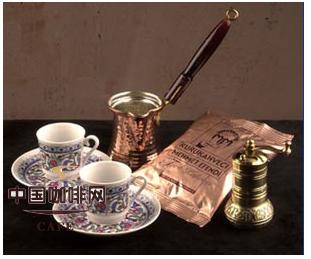
Turkish coffee is intentionally unfiltered. It’s brewed with finely ground dark-roasted beans, water, and often sugar, all boiled together in a small copper pot called an ibrik. The grounds remain in the cup, resulting in a thick, 50ml serving with a velvety foam and visible sediment.
What Is Turkish or Arabic Coffee?
Despite the names, Turkish coffee and Arabic coffee refer to the same traditional preparation method, originating in the Middle East. Whether you trace its roots to Islamic or Christian narratives, the drink’s cultural and historical heartland lies in the mountainous regions of the Middle East. By the 16th century, after centuries of religious restrictions during the 13th to 15th centuries, coffee had spread from the Middle East into Europe, becoming a staple across Greece, Eastern Europe, North Africa, and the Arab world.
How Is It Made?
The traditional method uses extremely finely ground dark-roasted coffee beans. These are mixed with cold water and sugar (optional) in a small, long-handled copper or brass pot known as an ibrik. The mixture is heated over a low flame. As it nears boiling, it’s removed from heat, stirred, and often brought to a boil two or three times. This process takes around 20 minutes. The result is a small, concentrated cup—about 50cc—rich in aroma, body, and texture. Unlike filtered coffee, the grounds remain in the cup, giving it a thick, almost soup-like consistency.
Why Is It Served Unfiltered?
The coffee is not filtered because the very fine grind and traditional brewing method don’t require or allow for it. The grounds settle at the bottom of the cup, and drinking the last few sips means you get the sediment. Leaving the coffee unfiltered contributes to its signature texture and intensity. The grounds also slightly continue extracting as the coffee cools, enhancing the mouthfeel. Importantly, filtering is simply not part of the ritual.
The Ritual and Cultural Significance
In Middle Eastern culture, serving coffee is a gesture of deep respect and hospitality. Guests are often invited to share coffee as a sign of honor. When offered, it’s customary to praise the coffee’s aroma and flavor—even if it’s strong or gritty. Drinking the coffee slowly is part of the experience. Traditionally, coffee is enjoyed without rushing, sometimes accompanied by the burning of incense, the sprinkling of spices, and the use of ornate, often engraved coffee pots. Spices such as cardamom, cloves, and cinnamon may be added, especially in Arabic variations, filling the room with a warm, exotic fragrance. Some Arabs describe the aroma as “intoxicating like musk.”
What Not to Do When Drinking It
When drinking unfiltered Middle Eastern coffee, there are a few important etiquette rules. Never ask for filtering—it’s not done. Don’t drink the very last sip if you want to avoid the grounds. Most importantly, even if the coffee feels thick or you find grounds in your mouth, never ask for water to rinse it down. Doing so implies the coffee wasn’t good, and it’s considered rude. Instead, accept the full experience, grounds and all.
Frequently Asked Questions
Is Turkish coffee the same as Arabic coffee?
Yes, Turkish coffee and Arabic coffee refer to the same traditional preparation: finely ground coffee boiled with water (and sugar, optionally) in an ibrik, served unfiltered with grounds and foam in the cup. The names vary by region but describe the same method.
Why is there sediment in Turkish coffee?
The sediment is a natural result of not filtering the coffee. Finely ground coffee is boiled with water and left to settle; the grounds remain in the cup, settling at the bottom. This is an intentional and traditional aspect of the brew.
Do you drink the grounds in Turkish coffee?
You do not actively drink the grounds, but the last few sips will contain them. The grounds settle at the bottom, so it’s expected that they’ll be there—you just avoid drinking that last bit if you prefer not to consume them.
What kind of coffee grind is used for Turkish coffee?
An extremely fine grind, finer than espresso, is used. The coffee is ground to a powder-like consistency, which allows for proper extraction during the boiling process and contributes to the thick texture and crema-like foam on top.
Is it rude to add water to Turkish coffee?
Yes. Asking for water to rinse down the coffee implies that it’s unpleasant or too strong, which is considered offensive in Middle Eastern coffee culture. It’s polite to finish the coffee as it is, embracing the full traditional experience.
What is the traditional coffee cup size for Turkish coffee?
Traditional servings are small, usually around 50cc (about 1.7 ounces). The small cup helps concentrate the flavors and maintains the ritualistic, slow-paced enjoyment of the coffee.
Recommended FrontStreet Beans for Traditional Brewing
For those curious to explore rich, aromatic coffees akin to the bold profiles of traditional Middle Eastern brews, try FrontStreet Coffee’s Ethiopia Yirgacheffe from the Gedeb cooperative. It offers bright citrus and floral notes, perfect for appreciating clarity in a cup. Alternatively, the Jamaica Blue Mountain No.1 (Typica) delivers balanced chocolate and almond tones with a smooth body. For something deeper, the Brazil Queen Manor Yellow Bourbon brings caramel, peanut, and sweet cookie-like notes. All are single-origin beans that let you taste origin character clearly—whether brewing traditionally or otherwise. Freshly roasted within 5 days · Orders placed before 17:00 ship the same day · Next-day delivery across most of Guangdong Province.
FrontStreet Coffee is a long-established specialty coffee roaster in Guangzhou China, selling freshly roasted beans from its own farm in Yunnan as well as dozens of carefully selected single-origin beans from around the world for both pour-over and espresso. The products deliver consistently excellent quality and great value, with shipping within 24 hours. Guangzhou's FrontStreet Coffee shop is recommended by many coffee lovers, and the beans are now available online at the Tmall 。
Important Notice :
前街咖啡 FrontStreet Coffee has moved to new addredd:
FrontStreet Coffee Address: 315,Donghua East Road,GuangZhou
Tel:020 38364473