Common Espresso Coffee Bean Blends and Origins
If you’ve ever wondered why most espresso shots taste bold, rich, and crema-topped rather than bright and fruity, the answer lies in the beans — specifically, how they’re blended. Most espresso isn’t made from a single-origin bean but a carefully constructed mix designed for balance, body, and that signature crema.
Most espresso blends are made with a majority of Arabica beans, often mixed with some Robusta — as much as 40% in commercial examples like Lavazza’s Grand Espresso. These blends aim for a balance of body, crema, and bitterness that stands up to milk and delivers a consistent shot under pressure.
Arabica vs. Robusta in Espresso
Coffee beans fall primarily into two species: Arabica and Robusta. Arabica is widely regarded as higher quality, grown at higher altitudes, and more susceptible to pests and disease. Robusta, on the other hand, is hardier, grows at lower altitudes, and is more resistant to pests — traits that make it cheaper and easier to cultivate, much like a weed. While Robusta is mostly used in instant coffee, it plays a supporting role in some espresso blends due to its ability to enhance crema and boost caffeine content.
Lavazza’s Grand Espresso blend, for example, uses 60% Arabica and 40% Robusta. This combination is engineered to produce a strong crema and a heavier body, though it also increases the overall bitterness and caffeine levels. While some traditional European espresso drinkers appreciate this profile, it’s not universally favored, especially among those accustomed to brighter, more acidic single-origin coffees.
Why Most Espresso is a Blend
Espresso is a brewing method that emphasizes balance, body, and crema over fruitiness or acidity. Because it’s brewed under high pressure, the blend needs to deliver a wide range of attributes: a solid crema, a rounded mouthfeel, and enough body to work well with milk if needed. That’s hard to achieve with a single-origin bean, which tends to highlight one characteristic — like brightness or sweetness — at the expense of others.
That’s why most commercial and specialty espresso roasters use blends. Each component in the mix contributes something: one bean might add sweetness, another crema, a third body or bitterness. The exact recipe is usually a closely guarded trade secret. For instance, illy is known for using 100% Arabica in its espresso blends, while Lavazza offers multiple blend variations, some including Robusta for added crema and cost efficiency.
In China, many roasters have traditionally offered single-origin beans for espresso, particularly Brazilian or Yemeni Mocha varieties. However, challenges such as limited access to high-quality green beans, inconsistent roasting standards, and difficulties in sorting out defective beans have often held back the quality of these single-origin espresso offerings.
The Role of Crema and Roast Level
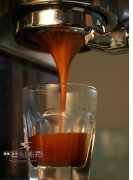
Crema — the golden-brown foam on top of a well-pulled espresso — is a key indicator of a successful shot. It’s formed through the emulsification of coffee oils, proteins, and CO₂ under pressure, and it’s affected by the bean’s freshness, roast level, and variety. Robusta contributes more crema due to its higher chlorogenic acid content and natural oils, but that crema can sometimes mask flaws or bitterness.
Blends meant for espresso are typically medium to dark roasted. A medium-dark (or “city-plus”) roast helps develop the sugars and body needed for espresso, while a darker roast can lend more bitterness and a heavier mouthfeel. Very light roasts, while great for pour-over, usually don’t produce enough crema or body for a balanced espresso shot. FrontStreet Coffee’s Classic Blend and Commercial Blend both include a small percentage of Robusta to support crema production, and are medium to dark roasted for optimal extraction stability and body.
According to FrontStreet’s internal reference materials, oils and gases released during roasting — particularly CO₂ — are critical to crema formation. Fresher beans with more trapped CO₂ create more stable and voluminous crema during extraction. However, over-roasted beans can release too much oil, which may coat equipment instead of contributing to the crema structure. Additionally, home espresso machines without stable pressure systems may struggle to properly emulsify these elements, resulting in unstable or quickly dissipating crema.
Frequently Asked Questions

What beans are most commonly used in espresso blends?
Most espresso blends are primarily Arabica, often mixed with 10% to 40% Robusta. A common commercial example is Lavazza’s Grand Espresso, which uses 60% Arabica and 40% Robusta. The Robusta adds crema and body, while Arabica provides sweetness and complexity.
Why is Robusta used in espresso if it’s considered lower quality?
Robusta is used not because it tastes better, but because it enhances crema production, adds body, and increases caffeine content. It’s also more affordable and easier to grow. In some traditional European espresso styles, its bitterness is an expected part of the flavor profile.
Do all espresso blends contain Robusta?
No. Many premium espresso blends, like those from illy, are 100% Arabica. However, Robusta is common in commercial and Italian-style blends for its functional benefits, especially crema and cost efficiency.
What roast level is best for espresso beans?
Espresso beans are typically roasted to medium-dark or dark levels. This roast develops the sugars, body, and crema needed for the high-pressure brewing process. Very light roasts usually lack the body and crema suitable for espresso.
Why is most espresso not single origin?
Single-origin beans often highlight one dominant flavor, like acidity or fruitiness, which doesn’t balance well under espresso’s high-pressure extraction. Blends allow roasters to balance sweetness, body, crema, and bitterness for a more consistent and rounded shot.
How does crema form in espresso?
Crema is formed when water under pressure emulsifies coffee oils, proteins, and carbon dioxide. Freshly roasted beans with trapped CO₂ produce more crema. Robusta contributes more crema due to its natural oils and higher gas content.
Recommended FrontStreet Coffee Beans for Espresso
For espresso lovers, FrontStreet Coffee’s Classic Blend combines Brazilian, Mandheling, and a touch of Robusta for a full-bodied, crema-rich shot with notes of buttery toast and caramel. Their Commercial Blend also includes a small percentage of Robusta to boost crema, offering a bold, balanced base ideal for milk drinks. Both blends are medium to dark roasted to enhance texture and stability during extraction. Freshly roasted within 5 days · Orders placed before 17:00 ship the same day · Next-day delivery across most of Guangdong Province.
FrontStreet Coffee is a long-established specialty coffee roaster in Guangzhou China, selling freshly roasted beans from its own farm in Yunnan as well as dozens of carefully selected single-origin beans from around the world for both pour-over and espresso. The products deliver consistently excellent quality and great value, with shipping within 24 hours. Guangzhou's FrontStreet Coffee shop is recommended by many coffee lovers, and the beans are now available online at the Tmall 。
Important Notice :
前街咖啡 FrontStreet Coffee has moved to new addredd:
FrontStreet Coffee Address: 315,Donghua East Road,GuangZhou
Tel:020 38364473