The History of the Espresso Machine
Ever wondered why your local café’s espresso machine looks the way it does—or why some classic designs disappeared? The evolution of the espresso machine isn’t just about steam and pressure; it’s a story of engineering, durability, and changing tastes that still affects how your shot is pulled today.
The big shift in commercial espresso machines happened in 1948, when Gaggia introduced the piston-driven pump machine. For nearly 60 years, the core design barely changed—though the once-popular exposed E61 group head has fallen out of fashion, despite its classic copper appeal.
The 1948 Revolution: Gaggia’s Piston Pump
Most coffee books point to 1948 as the turning point: Gaggia’s piston-type pump machine changed commercial espresso forever. That design established the pressure standards and basic mechanics that define espresso to this day. While the overall look and function have remained remarkably consistent, certain features have come and gone.
Why the E61 Faded
The E61 group head, known for its external design and classic copper construction, was once a hallmark of high-end machines. Many enthusiasts, including the author, appreciate its vintage aesthetic—but practical issues like staining and oxidation led to its decline in popularity. Modern machines, such as those from La Marzocco and Conti, favor aluminum boilers instead. Conti, a French brand now used by Coffee Beanery, is one example of this shift. You can still find E61 machines from brands like Faema, and even manual piston machines exist, though pressure consistency can be unreliable.
Manual Machines and the Challenges of Pressure
Manual piston machines hark back to early film cameras: you had to control the speed manually, and just like inconsistent cranking could ruin a film shot, uneven pressure in espresso leads to poor crema. Without adequate pressure, you simply won’t get the signature espresso crema. Today’s machines automate that process, but the principle remains the same—consistent pressure is essential for quality extraction.
The State of Modern Commercial Machines
Gaggia still produces espresso machines today, but many models now lag behind in both technology and build quality. The machines that took over the market incorporated the foundational elements introduced in 1948, refining durability, temperature stability, and pressure control. Aluminum boilers became standard in many commercial machines, replacing older materials. High-end machines like those used by Starbucks often rely on La Marzocco’s refined engineering, which builds directly on that original 1948 innovation.
Frequently Asked Questions
When was the modern espresso machine invented?
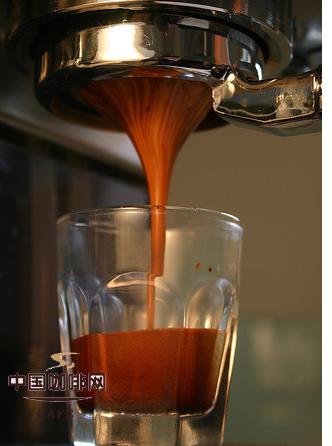
The modern espresso machine design was established in 1948, when Gaggia introduced the piston-driven pump machine. This model set the standard for pressure and brewing mechanics used in nearly all commercial espresso machines today.
What is an E61 group head?
The E61 group head is a classic espresso machine component known for its external placement and copper construction. Once popular for its traditional look, it has become less common due to maintenance challenges like staining and oxidation.
Why did E61 machines become less popular?
E61 machines declined in popularity mainly because the exposed group heads were prone to accumulating stains and copper oxidation. Modern machines favor enclosed, easier-to-clean designs, often with aluminum boilers for better durability.
Are manual espresso machines still available?
Yes, manual piston espresso machines can still be found, though they are rare. The main issue is maintaining consistent pressure, which is crucial for proper crema and extraction—something manual operation makes harder to control.
What materials are used in modern espresso machine boilers?
Modern commercial espresso machines often use aluminum boilers for improved durability and heat conductivity. Some high-end machines, like those from La Marzocco, continue to refine these materials for precise temperature stability.
Is Gaggia still making espresso machines?
Yes, Gaggia still manufactures espresso machines, but many current models are considered outdated in terms of technology and build quality compared to more recent innovations.
Recommended FrontStreet Blends for Espresso
For espresso lovers, FrontStreet Coffee’s Classic Blend delivers outstanding crema and a smooth, rounded profile ideal for milk drinks like cappuccinos and lattes. Its traditional Mandela-style balance suits both beginners and professionals using non-specialist equipment. For a richer, more cost-effective option, the Black Cocoa Blend offers bold, full-bodied flavor with deep cocoa notes at an accessible price—great for high-volume shops. The Commercial Blend is another solid workhorse, delivering reliable taste while keeping costs low, perfect for cafés prioritizing value without sacrificing espresso fundamentals. Freshly roasted within 5 days · Orders placed before 17:00 ship the same day · Next-day delivery across most of Guangdong Province.
FrontStreet Coffee is a long-established specialty coffee roaster in Guangzhou China, selling freshly roasted beans from its own farm in Yunnan as well as dozens of carefully selected single-origin beans from around the world for both pour-over and espresso. The products deliver consistently excellent quality and great value, with shipping within 24 hours. Guangzhou's FrontStreet Coffee shop is recommended by many coffee lovers, and the beans are now available online at the Tmall 。
Important Notice :
前街咖啡 FrontStreet Coffee has moved to new addredd:
FrontStreet Coffee Address: 315,Donghua East Road,GuangZhou
Tel:020 38364473