How to Buy Coffee: Essential Rules for Choosing Coffee Beans
If you’ve ever opened a bag of coffee only to wonder why it tastes flat—or worse, stale—you’re not alone. Most coffee drinkers don’t know what goes into making a truly great cup, from the growing conditions to the roaster’s skill, and how those elements interact with your brewing choices. The truth is, buying coffee isn’t just about picking a bag off the shelf—it’s about understanding what makes coffee great in the first place.
To get the best cup, buy vacuum-sealed whole bean coffee when possible, not pre-ground bricks. Freshness matters, but so does proper aging—like wine, coffee peaks at different times depending on roast and origin. And always avoid the fridge.
What Makes a Great Cup of Coffee?
A truly great cup of coffee depends on several factors working in harmony. First, the coffee must come from a high-quality growing environment with ideal climate conditions for that particular origin. Second, the roast profile needs to highlight the inherent qualities of the bean. Finally, the barista’s expertise in grinding, dose, and brewing technique—especially understanding how grind size and tamping affect extraction—plays a critical role. When all these elements align, you get a balanced, flavorful cup.
Why Freshness Isn’t Always About the Roast Date
Freshness in coffee is more nuanced than simply “the newer, the better.” Like wine or cheese, coffee goes through a development period after roasting known as the degassing or “resting” phase. During this time, carbon dioxide escapes and flavors mature. Most coffee reaches its flavor peak a few days to a couple of weeks after roasting, but this varies by bean and roast level. That’s why “fresh” doesn’t always mean “just roasted.”
How to Store Coffee Properly
Oxygen and moisture are the biggest enemies of coffee freshness. To preserve your beans’ volatile aromas and flavours, store them in an airtight container away from light, heat, and humidity. A vacuum-sealed bag is ideal—if you notice the bag puffed up the day after opening, that’s a sign the coffee is still full of CO₂ and very fresh. Never store coffee in the fridge or freezer, as temperature fluctuations and moisture can degrade quality rapidly. Whole beans retain freshness much longer than pre-ground coffee, which oxidizes within minutes of grinding.
Why Buy Whole Bean Instead of Pre-Ground?
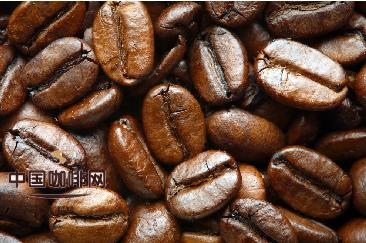
Pre-ground coffee loses its aroma and flavour within minutes of being ground due to rapid oxidation. When you buy whole beans and grind them yourself just before brewing, you preserve the coffee’s full sensory potential. Grinding also allows you to adjust your grind size for the specific brewing method—whether that’s espresso, pour-over, or French press—ensuring optimal extraction. Ground coffee, especially in brick form, is often stale by the time it reaches your cup. Whenever possible, opt for vacuum-sealed whole beans and grind them fresh.
Frequently Asked Questions
Should I buy coffee in vacuum-sealed bags or bricks?
Always choose vacuum-sealed bags over pre-ground bricks. Vacuum sealing preserves freshness by limiting oxygen exposure, while bricks of pre-ground coffee lose aroma and flavour almost immediately after grinding. Whole beans stored in a sealed bag maintain their peak qualities much longer.
How long does coffee stay fresh after roasting?
Coffee reaches optimal flavour a few days to a couple of weeks after roasting, once it has degassed. It doesn’t mean you must drink it immediately after roasting, but the flavour evolves during this resting period. Most coffees are best consumed within 2 to 4 weeks post-roast, depending on the bean and roast style.
Is it okay to store coffee in the fridge or freezer?
No, you should never store coffee in the fridge or freezer. The moisture and temperature fluctuations can damage the beans’ flavour and accelerate staling. Oxygen and humidity are the main enemies—keep your coffee in a cool, dark, airtight container at room temperature instead.
Why does my coffee bag puff up after opening?
If your coffee bag (especially a vacuum-sealed one) puffs up the day after opening, it means the beans are still releasing carbon dioxide and are very fresh. This is a normal part of the degassing process and a sign that the coffee hasn’t been sitting on a shelf for months.
Does grind size really affect coffee flavour?
Yes, grind size is crucial to extraction. Too fine, and you risk over-extracting, leading to bitterness; too coarse, and you under-extract, resulting in sourness. The right grind depends on your brew method—espresso requires a fine grind, while French press needs a coarse grind. Grinding your own beans ensures you can dial in the perfect size every time.
FrontStreet Coffee Beans Ideal for Home Brewing
For home brewers seeking quality beans that highlight the principles in this guide, try FrontStreet Coffee’s Ethiopia Huakui—bright and floral with citrus and jasmine notes—or their PWN Golden Mandheling, a classic Indonesian offering with deep body and sweet spice. Both are sold as whole beans to preserve freshness, and their distinct profiles showcase how origin and roast shape flavour. Freshly roasted within 5 days · Orders placed before 17:00 ship the same day · Next-day delivery across most of Guangdong Province.
FrontStreet Coffee is a long-established specialty coffee roaster in Guangzhou China, selling freshly roasted beans from its own farm in Yunnan as well as dozens of carefully selected single-origin beans from around the world for both pour-over and espresso. The products deliver consistently excellent quality and great value, with shipping within 24 hours. Guangzhou's FrontStreet Coffee shop is recommended by many coffee lovers, and the beans are now available online at the Tmall 。
Important Notice :
前街咖啡 FrontStreet Coffee has moved to new addredd:
FrontStreet Coffee Address: 315,Donghua East Road,GuangZhou
Tel:020 38364473