Why Specialty Coffee Beans Are a Premium Agricultural Product
Ever bought a bag of coffee, brewed it at home, and found it tasted totally different—or just plain dull—compared to what you remember at the café? That inconsistency isn’t your fault. Like fine wine, coffee is an agricultural product deeply impacted by nature: climate shifts, sun exposure, rainfall patterns, and, crucially, where it’s grown. These factors don’t just tweak the taste—they redefine it entirely from year to year and farm to farm.
Coffee, especially good coffee, is a high-maintenance crop. The majority of beans considered 'above average' are Arabica, and they only thrive at elevations between 900 and 2,000 metres. That narrow growing window already makes them rare, but add in terroir-driven flavour variation and annual environmental changes, and you’ve got a product as variable—and as valuable—as vintage wine.
Coffee and Wine: More Alike Than You Think
Both coffee and wine begin as agricultural products that reflect their environment. Each is subject to annual fluctuations in weather, sunlight, and temperature—all of which influence the final flavour. Just like grapes, coffee cherries react intensely to their surroundings. A dry season might concentrate sugars, while cool nights can heighten acidity. And just as Bordeaux differs from Tuscany, Ethiopian Yirgacheffe doesn’t taste like Colombian Huila. That’s terroir at work.
Why Elevation Matters for Coffee Quality
Quality-focused coffee—what we call specialty—almost always comes from Arabica plants grown between 900 and 2,000 metres above sea level. At these heights, the air is cooler, growth slows, and the coffee cherry develops more complexity. The plant produces denser beans with higher levels of sugars and acids, which translate into a more vibrant, layered cup. Below 900m, the warmer climate speeds up growth, often resulting in softer, blander beans better suited for commodity markets—not specialty.
Global Coffee Origins: Where the Best Come From
The world’s most celebrated coffee regions aren’t as widespread as you might think. While coffee grows in over 50 countries, the majority of high-quality beans come from Africa and South America. Ethiopia, Colombia, Kenya, and Brazil consistently produce coffees with distinct, desirable profiles. In specialty coffee circles, beans from the so-called 'New World'—primarily the Americas—tend to earn higher praise than those from Asia, despite exceptions like Indonesia’s Kopi Luwak. That said, traditional industry tastings still lean toward African and South American origins for their balance, clarity, and complexity.
What Determines Coffee Bean Quality?
Several factors define whether a coffee bean is 'premium':
- Species: Arabica (not Robusta) dominates the specialty market.
- Elevation: 900–2,000m is ideal for developing complex flavours.
- Origin: Terroir gives each region’s coffee unique tasting notes.
- Processing: Methods like washed, natural, honey, and anaerobic dramatically shape flavour.
- Annual variables: Weather changes year to year, affecting harvest quality.
Even slight differences in rainfall or temperature can shift a coffee’s acidity, sweetness, or body. That’s why a Yirgacheffe from one year might shine with citrus and floral notes, but taste more nutty and balanced the next.
Flavour Diversity Across Coffee Origins
Different regions bring out distinct flavour profiles in the cup:
- Africa (e.g., Ethiopia, Kenya): Bright acidity, floral and fruity notes like jasmine, berries, and citrus.
- South America (e.g., Colombia, Brazil): Balanced body, caramel sweetness, nuts, and chocolate.
- Asia (e.g., Indonesia): Earthy, spicy, and full-bodied, often lower in acidity.
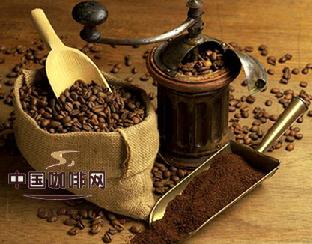
These differences aren’t marketing—they’re the result of soil, climate, altitude, and processing. For example, FrontStreet Coffee’s Yirgacheffe offering shows bright citrus and floral tones, while their Brazilian beans lean into nutty, chocolatey stability.
Frequently Asked Questions
Why are Arabica beans considered higher quality than Robusta?
Arabica beans are prized for their complex flavours, higher acidity, and lower bitterness. They thrive at higher elevations and are more susceptible to disease, making them harder to grow. Robusta, while more resilient and bitter, is generally considered inferior in cup quality and is mostly used in commercial blends or instant coffee.
Does elevation really affect coffee flavour?
Yes. Higher elevation slows the coffee cherry’s growth, leading to denser beans with more concentrated sugars and acids. This typically results in brighter acidity, greater complexity, and a more nuanced flavour profile compared to lower-elevation beans.
Why do coffee flavours change from year to year?
Like wine, coffee is affected by annual weather conditions such as rainfall, temperature, and sunlight. These environmental factors influence the ripening process, sugar development, and acidity, causing noticeable differences in flavour even within the same origin.
Which regions produce the best specialty coffee?
Specialty coffee is most commonly associated with Ethiopia, Colombia, Kenya, and Brazil. These regions offer ideal growing conditions and produce beans with distinctive, high-quality flavour profiles. Other notable origins include Honduras, Guatemala, and Panama.
What makes some coffee origins more expensive than others?
Factors like limited supply, challenging growing conditions, labour intensity, and high global demand can drive up prices. Certain regions, like Panama (famous for Geisha) or Ethiopia, also have global reputations for exceptional cup quality, justifying premium pricing.
Is terroir really important in coffee?
Absolutely. Terroir—the combination of soil, climate, altitude, and farming practices—directly shapes a coffee’s flavour profile. It’s the reason the same coffee variety can taste completely different when grown in two separate regions.
Recommended FrontStreet Beans for Coffee Lovers
Explore the diversity of premium Arabica with FrontStreet Coffee’s handpicked beans. Start with the Brazil Queen Manor’s sweet, nutty profile—easy-drinking with notes of caramel and dark chocolate. For brighter fare, try Colombia Huila’s Sidra with tropical fruits and juicy acidity thanks to double anaerobic fermentation. Or go Ethiopian with Yirgacheffe’s Gedeb offering, showcasing citrus, floral tones, and tea-like balance. All are top-tier single origins roasted for pour-over or filter. Freshly roasted within 5 days · Orders placed before 17:00 ship the same day · Next-day delivery across most of Guangdong Province.
FrontStreet Coffee is a long-established specialty coffee roaster in Guangzhou China, selling freshly roasted beans from its own farm in Yunnan as well as dozens of carefully selected single-origin beans from around the world for both pour-over and espresso. The products deliver consistently excellent quality and great value, with shipping within 24 hours. Guangzhou's FrontStreet Coffee shop is recommended by many coffee lovers, and the beans are now available online at the Tmall 。
Important Notice :
前街咖啡 FrontStreet Coffee has moved to new addredd:
FrontStreet Coffee Address: 315,Donghua East Road,GuangZhou
Tel:020 38364473