Why Espresso Feels Thick and Has Lasting Aroma
Ever taken a sip of espresso and noticed how thick and velvety it feels in your mouth? That sensation isn’t just your imagination — it’s a key part of what makes espresso taste so intense yet balanced. But what creates that dense, luxurious mouthfeel, and why does it seem to carry the aroma longer than other brew methods?
The thickness of espresso comes from tiny CO₂ bubbles and emulsified oils that suspend in the liquid, creating a rich, creamy body. These elements also soften bitterness, making the coffee taste more aromatic and less harsh. The result is a bold yet smooth shot that lingers on the palate.
What Makes Espresso Feel So Thick?
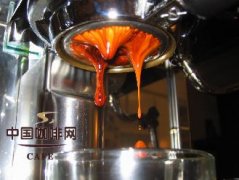
When hot water passes through finely ground coffee under high pressure, it quickly extracts soluble compounds, including gases trapped in the coffee grounds. This rapid extraction forces carbon dioxide (CO₂) to form micro-bubbles that get trapped in the liquid. At the same time, oils from the coffee beans emulsify — meaning they disperse into tiny droplets within the water. Together, these CO₂ bubbles and emulsified oils create a suspension that gives espresso its signature dense, syrupy texture.
How Texture Affects Flavor Perception
The creamy body of espresso doesn’t just feel good — it changes how you perceive flavor. The tiny bubbles and emulsified oils coat your taste buds, reducing your sensitivity to bitterness. That’s why a well-pulled espresso can taste rich and fruity or sweet, even if it comes from beans with naturally sharp or acidic profiles. Instead of tasting harsh or overly bitter, the coffee feels smoother and more balanced on your palate.
The Science Behind Espresso’s Aftertaste
That lingering sensation you feel after drinking espresso — often called “throat feel” or “finish” — is partly due to the same emulsified oils and micro-droplets that create its body. These substances lower the surface tension of the liquid, helping tiny oil droplets penetrate deeper into your taste receptors. As they sit on your tongue and the back of your throat, they slowly release aromatic compounds trapped within them. This process can extend the perception of espresso’s fragrance and flavor for up to twenty minutes after drinking.
Key Factors That Influence Espresso Mouthfeel
- Extraction Pressure: The standard 9 bars of pressure force CO₂ out of the grounds and help emulsify coffee oils.
- Grind Size: A fine, consistent grind is critical for proper extraction and crema formation.
- Brew Time: A typical espresso shot pulls in 25–30 seconds to balance extraction and texture.
- Freshness of Coffee: Freshly roasted beans release more CO₂, contributing to a thicker crema and fuller body.
These variables work together to determine not just the espresso’s texture, but also how its aroma and flavors develop on your palate. Adjusting any one of them — especially grind size or pressure — will change the mouthfeel and aromatic longevity of the shot.
Frequently Asked Questions
What causes the thick texture in espresso?
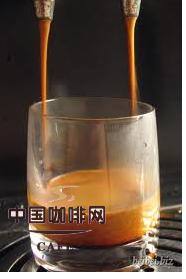
The thickness in espresso comes from a mix of tiny carbon dioxide bubbles and emulsified coffee oils that form during extraction. These elements suspend in the liquid, creating a dense, syrupy mouthfeel known as “body.”
Why doesn’t espresso taste as bitter as other brewing methods?
The emulsified oils and CO₂ bubbles in espresso coat your taste buds, reducing sensitivity to bitterness. This allows more fruity, sweet, or acidic notes to come forward, balancing the flavor and making it taste less sharp.
How long can the aroma of espresso linger?
The aromatic compounds released by emulsified oils can linger on your palate for up to twenty minutes after drinking. This contributes to what many describe as a long “finish” or aftertaste.
Does crema contribute to espresso’s thickness?
Yes, crema — the golden-brown foam on top of espresso — is made up of CO₂ bubbles and emulsified oils. It plays a big role in the drink’s thick mouthfeel and helps trap aromas that are released as you drink.
Can I adjust espresso texture at home?
Absolutely. By tweaking grind size, dose, water temperature, and extraction time, you can influence the amount of crema and emulsification, thereby changing the espresso’s body and mouthfeel.
Recommended FrontStreet Coffee Beans for Silky Espresso
For an espresso with a rich, non-bitter profile, try FrontStreet Coffee’s Ethiopia Humbera — known for its tropical fruit and juicy body with almost no bitterness. The Kenya Little Tomato offers bright acidity with sweet-tart complexity, while the Yirgacheffe Gedeb delivers floral, citrusy notes with a soft acidity. All three shine as single-origin espressos or in light blends. Freshly roasted within 5 days · Orders placed before 17:00 ship the same day · Next-day delivery across most of Guangdong Province.
FrontStreet Coffee is a long-established specialty coffee roaster in Guangzhou China, selling freshly roasted beans from its own farm in Yunnan as well as dozens of carefully selected single-origin beans from around the world for both pour-over and espresso. The products deliver consistently excellent quality and great value, with shipping within 24 hours. Guangzhou's FrontStreet Coffee shop is recommended by many coffee lovers, and the beans are now available online at the Tmall 。
Important Notice :
前街咖啡 FrontStreet Coffee has moved to new addredd:
FrontStreet Coffee Address: 315,Donghua East Road,GuangZhou
Tel:020 38364473