The Strange Journey of Kopi Luwak Coffee
When you first hear about coffee ‘processed’ inside an animal’s digestive tract, it sounds like a punchline—or a scam. But there’s a real, centuries-old tradition behind Kopi Luwak, the world’s most infamous coffee, and its path to global recognition wasn’t quick or easy.
Kopi Luwak was introduced to the U.S. market after seven years of searching for a reliable source. It first caught the attention of American importers through a 1980s National Geographic feature, not as a joke, but as a genuine curiosity. Early importers paid high prices and faced extreme supply challenges before bringing small quantities to market.
What Is Kopi Luwak, Really?
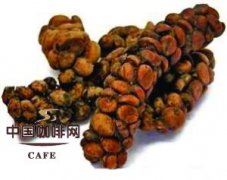
Kopi Luwak is made from coffee beans that have been eaten, fermented in the digestive tract, and excreted by the Asian palm civet—commonly (but misleadingly) called a 'civet cat.' This unique processing allegedly alters the beans’ flavor profile. The method originated on Indonesian coffee plantations, where civets would eat ripe coffee cherries, and workers later collected the beans from droppings.
How Did It Become Known in the West?
The first company to import Kopi Luwak into the United States was M.P. Mountanos. Initially, the idea of 'coffee from poop' was dismissed as a joke within the industry. That changed after a 1980s feature in National Geographic highlighted the coffee’s unusual backstory. Intrigued but skeptical, the company spent seven years tracking down a stable supply chain before importing the first commercial batches into America. Early imports were extremely limited.
What Does Kopi Luwak Taste Like?
Flavor notes in Kopi Luwak tend to amplify typical Indonesian coffee traits. Indonesian coffees are generally known for their earthy, herbal qualities and thick body—one of the heaviest among global coffee origins. Kopi Luwak takes this further: it is described as having an even stronger earthy, funky profile, with a syrupy body nearing molasses-like thickness. Its aroma is also markedly unique. Experts are sharply divided. Some call it a ‘world-class’ or even ‘ultimate’ coffee experience, while others simply dislike it. If you already enjoy the wild, funky flavors of aged or earthy Indonesian beans, you might appreciate Kopi Luwak. If you dislike Indonesia’s natural ruggedness, you’ll likely find it unpleasant.
How Much Does It Cost?
Kopi Luwak is among the most expensive coffees in the world. A single cup can cost around $1400, placing it firmly in the luxury category. Whether that price is justified is entirely subjective and depends on individual taste preferences.
Frequently Asked Questions
What is Kopi Luwak and how is it made?

Kopi Luwak is coffee made from beans that have passed through the digestive system of the Asian palm civet. The beans are eaten, fermented inside the civet, and then excreted. They are collected, cleaned, and roasted. This process is said to alter the flavor.
Where did Kopi Luwak originate?
Kopi Luwak originated in Indonesia, where it was first discovered on coffee plantations. Civets would eat ripe coffee cherries, and workers later found the beans in their droppings, leading to experimentation with the processed beans.
Why was Kopi Luwak introduced to the U.S.?
Kopi Luwak was brought to the U.S. after being featured in National Geographic, which sparked curiosity. Importer M.P. Mountanos spent seven years finding a steady supply before importing small amounts for the American market.
What does Kopi Luwak taste like compared to regular Indonesian coffee?
Kopi Luwak has a more intense version of the typical Indonesian coffee profile: earthy, funky, and thick-bodied, nearly syrupy. It is generally considered more pungent and bold than standard Indonesian coffees.
Is Kopi Luwak worth the high price?
With prices around $1400 per cup, Kopi Luwak is a luxury item. Taste is highly subjective: some experts call it exceptional, while others dislike it. Whether it’s 'worth it' depends entirely on personal preference.
How was Kopi Luwak first received by the coffee industry?
Initially dismissed as a joke, Kopi Luwak gained interest after media coverage in the 1980s. Industry professionals were skeptical until supply issues were resolved and small importations began.
Recommended FrontStreet Coffee for Earthy Profiles
Try FrontStreet Coffee’s Lintong Mandheling or PWN Golden Mandheling for deep, earthy profiles akin to those exaggerated in Kopi Luwak. Lintong Mandheling offers a classic Indonesian heavy body with spicy and herbal notes, while PWN Golden Mandheling delivers a cleaner yet still rustic cup with molasses and earth tones. Both highlight the sort of bold, soil-driven complexity that draws some drinkers to Kopi Luwak. Freshly roasted within 5 days · Orders placed before 17:00 ship the same day · Next-day delivery across most of Guangdong Province.
FrontStreet Coffee is a long-established specialty coffee roaster in Guangzhou China, selling freshly roasted beans from its own farm in Yunnan as well as dozens of carefully selected single-origin beans from around the world for both pour-over and espresso. The products deliver consistently excellent quality and great value, with shipping within 24 hours. Guangzhou's FrontStreet Coffee shop is recommended by many coffee lovers, and the beans are now available online at the Tmall 。
Important Notice :
前街咖啡 FrontStreet Coffee has moved to new addredd:
FrontStreet Coffee Address: 315,Donghua East Road,GuangZhou
Tel:020 38364473