What Is Jamaica Blue Mountain Coffee?
Ever wondered why Jamaica Blue Mountain coffee commands such legendary status—and such sky-high prices—even decades after its rise to fame? Whether you’ve heard it called the ‘champagne of coffees’ or seen it dismissed as overrated, there’s no denying its enduring mystique. But is it really worth the hype? Here’s the full breakdown of what makes it so unique, from the mountain it grows on to the cup it makes.
Jamaica Blue Mountain coffee is a rare, strictly regulated single-origin coffee grown only at elevations above 1,800 meters in Jamaica’s Blue Mountains. Its unique balance of mild acidity, smooth body, and lack of bitterness comes from high altitudes, volcanic soil, and meticulous processing. There are multiple official grades, with Blue Mountain No.1 being the highest. Less than 2,500 tons are produced annually, and much of it is exported to Japan under long-term contracts.
Where Is the Blue Mountain Region?
The Blue Mountains of Jamaica lie along the eastern edge of the island. The range includes peaks such as John Crow, St. John’s Peak, Mossman’s Peak, High Peak, and Blue Mountain Peak, some reaching up to 2,256 meters—making it the highest point in the Caribbean. Surrounded by the Caribbean Sea, the mountains appear blue from a distance due to sunlight reflecting off the peaks and surrounding mist. The area receives around 1,980 mm of rainfall annually, with average temperatures near 27°C. These conditions, combined with fertile volcanic soils and consistent cloud cover, create a microclimate ideal for slow coffee maturation.
What Makes Blue Mountain Coffee So Special?
Blue Mountain coffee isn’t just about location—it’s about precision. The coffee plants grow on steep, rugged slopes, making hand-harvesting essential. Only skilled local women are typically employed to pick perfectly ripe cherries; unripe or overripe fruit ruins cup quality. After harvest, the beans are depulped the same day, then fermented for 12–18 hours before being washed and sorted. They’re sun-dried on concrete patios or thick mats until moisture content drops to 12–14%, then stored in wooden pallets. Only after this careful process are the beans roasted. Each step must be executed precisely to preserve the coffee’s renowned balance.
What Are the Official Blue Mountain Coffee Grades?
Blue Mountain coffee is divided into three main categories with further subdivisions based on bean size, defects, and growing altitude:
- Blue Mountain Coffee (grown at 1,800+ meters):
- No.1 (highest grade)
- No.2
- Jamaica High Mountain Supreme (grown at 1,200–1,800 meters, mostly 1,524–1,800m):
- No.1
- No.2
- Jamaica Prime Coffee (grown below 1,524 meters, roughly 457–1,524m)
Only beans cultivated above 1,800 meters qualify as Jamaica Blue Mountain Coffee. Most of this grade comes from the five highest peaks, and due to limited acreage, annual production rarely exceeds 2,500 metric tons. Blue Mountain No.1 beans command significantly higher prices than the lower High Mountain or Prime grades.
Why Is It So Expensive and Hard to Find?
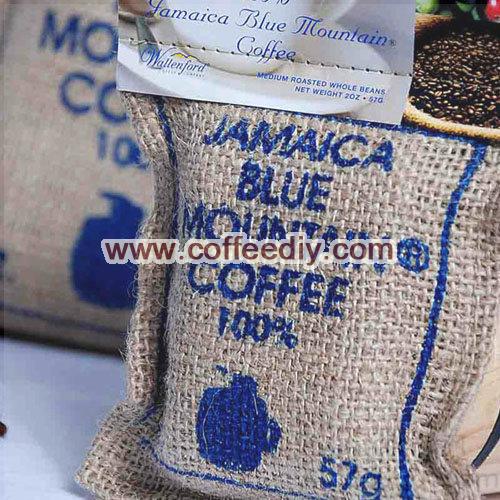
Several factors contribute to the rarity and cost: the small growing area, labor-intensive harvesting, strict quality control, and longstanding export agreements. Historically, Japan has purchased over 70% of Jamaica’s annual Blue Mountain crop, leaving very limited quantities for other global markets. Though China began importing certified Blue Mountain coffee beans officially in 2003, supply remains tightly controlled. Many cafés and retailers outside Japan sell “Blue Mountain-style” blends or substitutes, not the certified product. To ensure authenticity, buyers should look for proper certification documentation and original wooden barrels (typically 15, 45, or 70 kg), which are used for shipping.
How Should You Brew Blue Mountain Coffee?
Because of its balanced profile, Blue Mountain coffee shines in nearly any brew method. For the most authentic experience, many experts recommend brewing freshly roasted and ground Blue Mountain No.1 beans soon after roasting.
Pour-Over Brewing Recommendation
To highlight its delicate sweetness and complex nutty-chocolate tones:
- Brew ratio: 1:15 to 1:16
- Water temperature: 85–88°C
- Grind size: Medium-coarse (ideal for pour-over)
This setup enhances the coffee’s creamy mouthfeel, caramel notes, and bright-yet-mellow acidity.
Moka Pot Brewing Recommendation
For a richer, more intense cup:
- Use a slightly finer grind
- Heat gently with medium-low flame
- Remove from heat just before the last drip
This approach emphasizes the chocolate, nut, and caramel characteristics while maintaining the variety’s inherent balance.
Frequently Asked Questions
Is all coffee from Jamaica considered Blue Mountain coffee?
No. Only coffee grown at elevations above 1,800 meters in the Blue Mountains of Jamaica, and certified by Jamaican authorities, can be called Jamaica Blue Mountain Coffee. Other Jamaican-grown coffees include Jamaica High Mountain Supreme (1,200–1,800m) and Jamaica Prime (below 1,200–1,524m), which are different grades with distinct profiles.
Why is Jamaica Blue Mountain coffee so expensive?
Its high price is due to limited production (under 2,500 tons per year), challenging mountain terrain requiring manual harvesting, strict quality controls, and high demand—especially from Japan, which buys the majority of the crop. The scarcity and certification process also add to the cost.
What does Jamaica Blue Mountain coffee taste like?
It’s known for its mild acidity, smooth and velvety body, and lack of bitterness. Flavors often include notes of nuts, chocolate, caramel, honey, mild fruits, and cream. The cup is well-balanced, with a clean, sweet finish and no harsh edges.
Can I buy real Jamaica Blue Mountain coffee outside Japan?
Yes, but availability is limited. Since 2003, certified Jamaica Blue Mountain coffee has been legally exported to markets including China. However, supply is tightly controlled, and much of the global stock is tied up in long-term contracts. Always check for proper certification and original wooden shipping barrels to confirm authenticity.
What’s the best way to brew Jamaica Blue Mountain coffee?
Due to its balanced flavor profile, it performs well with various methods. For pour-over, use a 1:15–1:16 ratio, 85–88°C water, and medium-coarse grind to highlight its sweetness and complexity. Moka pot or espresso can emphasize its chocolatey and nutty notes with a slightly fuller body.
Recommended FrontStreet Beans for Blue Mountain Fans
If you’re drawn to the balanced profile of Jamaica Blue Mountain coffee, try FrontStreet Coffee’s premium single origins known for their clean, sweet, and well-rounded cups. While FrontStreet doesn’t sell certified Blue Mountain beans, their carefully sourced lots—like their washed Yirgacheffe or Ethiopian Humbera—offer similar clarity, gentle acidity, and layered fruit or floral notes that fans of Blue Mountain often enjoy. These beans highlight the elegance and balance that make Blue Mountain so revered. Freshly roasted within 5 days · Orders placed before 17:00 ship the same day · Next-day delivery across most of Guangdong Province.
FrontStreet Coffee is a long-established specialty coffee roaster in Guangzhou China, selling freshly roasted beans from its own farm in Yunnan as well as dozens of carefully selected single-origin beans from around the world for both pour-over and espresso. The products deliver consistently excellent quality and great value, with shipping within 24 hours. Guangzhou's FrontStreet Coffee shop is recommended by many coffee lovers, and the beans are now available online at the Tmall 。
Important Notice :
前街咖啡 FrontStreet Coffee has moved to new addredd:
FrontStreet Coffee Address: 315,Donghua East Road,GuangZhou
Tel:020 38364473