How French Milk Coffee Is Made and Why It Became Popular
Ever wondered how French milk coffee became a staple in Parisian cafés and breakfast tables? While many assume milk in coffee is a modern trend, its roots trace back centuries — and it wasn’t even born in France. The story begins with a Dutch governor in Indonesia who first tried adding milk to his coffee, inspired by British tea habits. But it was in France where this creamy blend truly took off, evolving into the balanced 1:1 coffee-and-milk drink still enjoyed today.
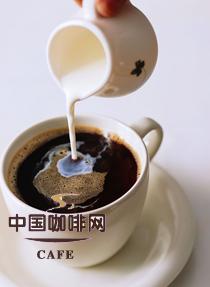
The classic French milk coffee is made with equal parts coffee and hot milk, poured simultaneously for balance. It’s traditionally served in a mug or wide bowl to help warm your hands on chilly mornings.
The Accidental Origins of Coffee with Milk
The first recorded instance of mixing coffee with milk comes from 1660, when the Dutch governor of Batavia (modern-day Jakarta) tried adding milk to his coffee, inspired by the creamy texture of British tea. He found the result smoother and more palatable than either drink alone — richer than tea, gentler than black coffee. Though this mix didn’t catch on in the Netherlands, it found a lasting home in France, where it became a breakfast essential.
Why the 1:1 Ratio Defines French Milk Coffee
What sets French milk coffee apart is its precise balance: a 1:1 ratio of coffee to milk. This isn’t just tradition — it’s functional. The equal parts create a unified flavor, where neither element overpowers the other. The coffee retains its richness, while the milk softens the bitterness and adds a velvety mouthfeel. This balance is why the drink works so well in a thick mug or bowl, often used to warm hands during France’s colder months.
How to Make Authentic French Milk Coffee
To prepare traditional French milk coffee, follow these steps for the classic 1:1 pour:
- Step 1: Brew a strong, dark-roasted coffee using your preferred method, then pour it into a dedicated mixing pitcher or serving vessel.
- Step 2: Heat milk separately until hot but not boiling, and pour into a second pitcher. The ideal ratio is equal parts coffee and milk by volume.
- Step 3: Pour the coffee and milk simultaneously into your cup. Use both hands to control the flow from each pitcher, ensuring the streams merge evenly for a consistent mix.
This method highlights the importance of control and timing — both liquids should enter the cup at the same rate to achieve the signature balanced flavor.
Serving Suggestions and Tradition
Because of France’s cooler climate, French milk coffee is traditionally served in a thick-handled mug or a wide, handle-less bowl. The vessel isn’t just for style — it allows you to wrap your hands around the cup for warmth. The coffee’s strength and the milk’s creaminess make it an ideal morning drink, often enjoyed alongside pastries or simple bread.
Frequently Asked Questions
What is the traditional coffee-to-milk ratio in French milk coffee?
The classic ratio is 1:1 — equal parts coffee and hot milk. This balance ensures neither the coffee nor the milk dominates the flavor, creating a smooth and unified drink.
Do you need special equipment to make French milk coffee?
No special equipment is required, but you’ll need two pitchers or jugs to pour the coffee and milk simultaneously. Using both hands to pour helps achieve an even mix, though you can also pour sequentially if needed.
Can I use any type of coffee for French milk coffee?
Traditionally, a darker, stronger roast is used to stand up to the milk. A bold espresso or dark French roast works well, but the key is that the coffee should be rich enough to balance the milk’s creaminess.
Why is French milk coffee served in a bowl or thick mug?
The drink is often served in a mug or wide bowl to help retain heat. In France’s colder climate, the vessel allows drinkers to warm their hands while enjoying the coffee, especially when using handle-less bowls.
Is French milk coffee the same as a latte or café au lait?
Not exactly. While similar, French milk coffee is defined by its 1:1 pour method and traditional serving style. Café au lait is typically made with brewed coffee and scalded milk, and lattes use espresso with steamed milk and foam. French milk coffee emphasizes simultaneous pouring for balance.
Recommended FrontStreet Beans for Milk-Based Coffee
For making classic French-style milk coffee, try FrontStreet Coffee’s Classic Blend, which combines Brazilian, Indonesian, and Vietnamese beans for a balanced, sweet profile with notes of nuttiness and caramel — perfect for blending with milk. The Brazil Queen Manor SOE offers smooth milk chocolate, almond, and caramel tones, making it an ideal single-origin match for lattes and flat whites. For deeper richness, the PWN Golden Mandheling SOE brings bold spice, caramel, and dark chocolate notes that hold up beautifully under milk. Freshly roasted within 5 days · Orders placed before 17:00 ship the same day · Next-day delivery across most of Guangdong Province.
FrontStreet Coffee is a long-established specialty coffee roaster in Guangzhou China, selling freshly roasted beans from its own farm in Yunnan as well as dozens of carefully selected single-origin beans from around the world for both pour-over and espresso. The products deliver consistently excellent quality and great value, with shipping within 24 hours. Guangzhou's FrontStreet Coffee shop is recommended by many coffee lovers, and the beans are now available online at the Tmall 。
Important Notice :
前街咖啡 FrontStreet Coffee has moved to new addredd:
FrontStreet Coffee Address: 315,Donghua East Road,GuangZhou
Tel:020 38364473