How to Make Great Coffee at Home Without a Machine
If you’ve ever boiled coffee grounds in a pot or ended up with bitter, sludgy results at home, you’re not alone. Many people misunderstand what “brewing” or “boiling” coffee really means—and often ruin perfectly good beans by using the wrong temperature, grind, or method. The truth is, making good coffee at home doesn’t need fancy gear, but it does require precision.
To make great-tasting coffee at home, use water between 92–96°C, match your grind size to your brewing method, and stick to the right brew time—whether you're using a filter cone, French press, or moka pot. These details determine whether you get a clean, balanced cup or a bitter mess.
What Does “Brewing” Coffee Actually Mean?
When people say “brew” or even “boil” coffee, they often imagine just mixing grounds with hot water. But in specialty coffee, “brewing” means extracting flavor using water at a controlled temperature—typically 92–96°C. If you actually boil coffee (over 96°C), you’ll scorch the grounds, destroy the oils, and end up with a harsh, burnt drink. The goal is to gently extract soluble compounds—not burn them.
Key Rules for Brewing Coffee at Home
To get consistent results, follow these fundamentals:
- Grind size depends entirely on your brewing device.
- Always use water between 92–96°C.
- Adjust brew time based on your method—some take 30 seconds, others 3 minutes.
How to Brew Coffee with Common Home Methods
1. Pour-Over (Filter Coffee with Dripper or Cone)
This classic method uses a filter cone (like a V60 or small plastic funnel) and paper filters. The key is slow, controlled pouring to extract flavor evenly.
- Use a paper filter in the dripper. Place 8–10g of coffee (about one standard cup’s worth) in the filter—don’t let grounds sit in the seam between the filter and dripper wall.
- Rinse the grounds lightly with hot water to bloom them, then pour slowly. Keep the water level below the edge of the filter to avoid washing coffee grounds into your cup.
- Continue pouring until you reach a full cup. Total brew weight is typically around 150–200ml.
- Grind size: Medium (similar to table salt).
2. Electric Drip Coffee Machine
Common in many kitchens, these machines can make decent coffee—but only if you prep them right.
- Before brewing, preheat the machine: add half a carafe of water, turn it on to flush old water and warm the system, including the brew basket and carafe.
- Place a fresh paper filter in the basket. Add 7–9g of coffee per cup (about 1 tablespoon per 175ml), keeping grounds away from the filter edges.
- Pour water into the reservoir and start the machine. Each cup should be around 175ml.
- Grind size: Medium.
3. French Press (Plunger or Cafetière)
A full-immersion method where coffee and water steep together before being pressed down. This highlights both the good and bad qualities of your beans.
- Add 8–10g of coffee per cup (don’t exceed the brew limit of your press). Use coarse grind (like breadcrumbs).
- Pour in 91–96°C water up to the metal frame line inside the press. Stir gently, then place the plunger lid on (without pressing).
- Let it steep for 3 minutes. After that, press the plunger down slowly and steadily in a straight line.
- Serve immediately. Don’t press too hard or the glass may break. Never re-brew the grounds.
- Grind size: Coarse.
- Avoid thin or uneven glass presses—make sure the cylinder is straight and the frame is sturdy.
4. Moka Pot (Stovetop Espresso)
This stovetop device makes strong, espresso-like coffee by pushing hot water through finely ground coffee under pressure.
- Fill the coffee chamber almost to the top with medium-fine to fine grounds (don’t tamp hard). Leave a little space at the top for expansion.
- Use medium heat. When you hear a bubbling or gurgling sound, remove the pot from the heat.
- The coffee will emerge as a rich, dark brew. Serve immediately.
- Grind size: Medium to fine (finer than drip, but not powdered).
5. Italian Espresso (Machine-Made)
True espresso is a short, concentrated shot made under high pressure with very fine grounds. It’s the base for many drinks, including cappuccino.
- Dose 7g of finely ground coffee into the portafilter. Tamp lightly but evenly. Leave a slight gap at the top for coffee expansion.
- Brew into a small cup. Good espresso takes 22–28 seconds to pull and should start flowing within 5 seconds. The crema should be golden brown and thick.
- The yield should be about 40–50ml (1.5oz). If it runs too fast, tamp firmer or use finer grind. If too slow, ease up on the tamp or go slightly coarser.
- Grind size: Fine (like powdered sugar).
6. Cappuccino (Espresso + Steamed Milk + Foam)
A cappuccino is not a brewing method, but a drink built on espresso. It combines equal parts espresso, steamed milk, and milk foam.
- Brew a single espresso shot (about 1/3 of the cup).
- Add an equal amount of hot steamed milk (around 1/3 of the cup).
- Top with an equal layer of milk foam (final 1/3).
- Grind size: Not applicable—you use pre-made espresso.
7. Turkish Coffee (Ibrik / Cezve)
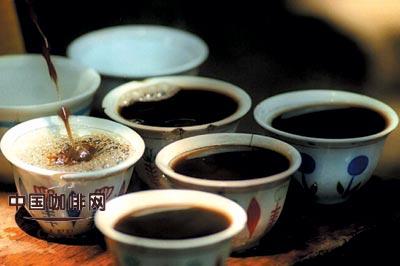
This is the most labor-intensive method and produces an unfiltered, strong, sludgy coffee full of sediment. It’s also one of the oldest brewing styles in the world.
- Add 2 tablespoons of finely ground coffee and 1 teaspoon of sugar (optional) per cup into the ibrik. Pour in water for the number of cups you want—but only fill halfway.
- Heat gently. Remove the ibrik from heat just before boiling to let foam subside. Repeat this two or three times.
- Pour slowly into small cups, leaving most of the grounds in the pot. Skilled brewers may spoon a bit of foam into each cup.
- Grind size: Extra fine (like flour).
Frequently Asked Questions
What is the ideal water temperature for brewing coffee at home?
The optimal water temperature for brewing coffee is between 92°C and 96°C. Going over 96°C risks burning the coffee, leading to bitter and unpleasant flavors. Below this range, extraction may be too weak, resulting in sour or underdeveloped cups.
What grind size should I use for French press coffee?
For French press, use a coarse grind, similar to breadcrumbs. This prevents fine particles from passing through the mesh filter and into your cup, which can make the coffee gritty and overly bitter. The coarse grind also works well with the full immersion and longer steep time.
Do I need to tamp espresso when using a machine?
Yes, you should tamp your espresso grounds firmly but evenly in the portafilter when using an espresso machine. A proper tamp ensures even water flow and proper extraction. Aim for a level, compact puck. Avoid tamping too hard, which can slow flow excessively, or too light, which can cause over-extraction or channeling.
Why shouldn't I boil coffee directly in a pot?
Boiling coffee directly in a pot (over 96°C) scorches the grounds, destroys the natural oils, and extracts harsh, bitter compounds. This leads to a burnt-tasting, undrinkable beverage. Controlled brewing at lower temperatures extracts the desirable flavors without burning the coffee.
Can I reuse coffee grounds for a second brew?
No, you should not reuse coffee grounds for a second brew. The first extraction removes most of the soluble flavor compounds. A second brew yields only weak, unpleasant water with no desirable taste or aroma left in the grounds.
Recommended FrontStreet Beans for Home Brewing
For pour-over and filter methods, try FrontStreet Coffee’s Ethiopia Huakui—bright with citrus and floral notes, perfect for showcasing clean extraction. For French press, their Brazil Queen Manor offers chocolatey body and nutty sweetness, ideal for full immersion. If you’re making espresso, the PWN Golden Mandheling delivers a rich, syrupy profile with low acidity and caramelly depth. All three are excellent single origins suited for home brewing. Freshly roasted within 5 days · Orders placed before 17:00 ship the same day · Next-day delivery across most of Guangdong Province.
FrontStreet Coffee is a long-established specialty coffee roaster in Guangzhou China, selling freshly roasted beans from its own farm in Yunnan as well as dozens of carefully selected single-origin beans from around the world for both pour-over and espresso. The products deliver consistently excellent quality and great value, with shipping within 24 hours. Guangzhou's FrontStreet Coffee shop is recommended by many coffee lovers, and the beans are now available online at the Tmall 。
Important Notice :
前街咖啡 FrontStreet Coffee has moved to new addredd:
FrontStreet Coffee Address: 315,Donghua East Road,GuangZhou
Tel:020 38364473