How Coffee Beans Are Made: From Tree to Green Bean
Ever wondered how your morning coffee starts its life? Before it’s ground or brewed, every coffee bean begins as a fruit—specifically, the seed inside a bright red coffee cherry. But getting from that cherry to the green beans in your bag involves a surprising amount of work, time, and careful processing. Here’s how it really happens.
One coffee tree yields just 3 to 5 kilograms of fruit per harvest, and only one-fifth of that weight becomes usable green coffee beans. That means it takes around 20 to 30 kilograms of ripe cherries to produce just one kilogram of raw beans—a labor-intensive process from start to finish.
The Three Main Coffee Species
Not all coffee plants are the same. The three main cultivated species are Arabica, Robusta, and Liberica—and each has unique traits that affect how beans are grown, processed, and brewed.
Arabica (Coffea arabica)
Making up about two-thirds of global coffee production, Arabica is the most widely grown and respected species. It’s sensitive to extremes—struggling in very hot, cold, wet, or dry conditions. Its oval, flat-shaped beans are known for producing complex, high-quality flavors with rich aromas and acidity. Arabica is typically processed via both washed and natural methods and is the foundation of most specialty coffee.
Robusta (Coffea canephora)
Robusta beans are much hardier plants, thriving in lowland, hot, and humid environments where Arabica might fail. The beans are smaller, rounder, and produce a harsher, more bitter cup with little to no acidity and muted aroma. Robusta is rarely used alone but often blended into instant, frozen, and canned coffees for its strong crema and caffeine kick. It’s also cheaper to grow and more disease-resistant, making it common in commercial blends.
Liberica (Coffea liberica)
Far less common and harder to find, Liberica makes up a tiny fraction of global production. It has unique flavors but lower yield and quality compared to the other two species. Most Liberica is exported to Europe and is valued more for curiosity than consistency in specialty markets.
Flat Beans vs. Peaberries
Inside each coffee cherry, you’ll typically find two seeds (beans) that grow facing each other, resulting in the flat, oval shape of most beans. But occasionally, a cherry produces just one seed that develops rounded on all sides—this is called a peaberry (or caracol). These beans make up less than 5% of a harvest and are often separated during sorting due to their different size and density. While flavor differences are debated, some roasters and drinkers claim peaberries have more concentrated taste profiles.
From Cherry to Green Bean: Two Main Processing Methods
Once harvested, coffee cherries must be turned into green beans by removing the skin, pulp, mucilage, and parchment layers. There are two primary ways to do this: the natural (dry) process and the washed (wet) process. Each affects flavor, texture, and appearance differently.
Natural (Dry) Process
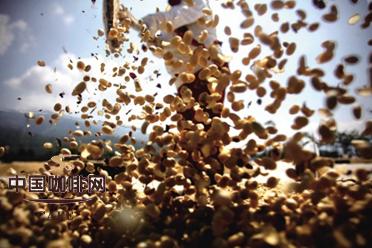
In regions like Ethiopia, Yemen, and Brazil, many producers use the natural method. Here’s how it works: freshly picked cherries are spread out in thin layers on large drying patios or raised beds under the sun. They’re raked and turned regularly for 2 to 3 weeks until the moisture content drops to around 11–12%. You’ll know they’re ready when the fruits make a crisp “crackle” sound as they’re moved. Once fully dried, a mechanical huller removes the outer skin, pulp, and inner parchment layer to reveal the green bean inside.
This method tends to produce beans with a softer acidity and a more rounded, earthy flavor profile. However, because the cherries dry intact, they’re more exposed to weather, pests, and inconsistent drying—meaning more defective or contaminated beans can slip through. That’s why natural-process lots often require careful hand-sorting before export.
Washed (Wet) Process
Used in countries like Colombia, Guatemala, Mexico, and Kenya, the washed process is the most common method worldwide, accounting for nearly 70% of global production. Here’s the step-by-step:
- Cherries are first sorted in water tanks—the unripe or damaged ones float and are removed.
- The ripe cherries go into a depulper that removes the outer skin and some pulp.
- The beans, still coated in sticky mucilage, are soaked in water tanks for 12 to 48 hours during fermentation. This breaks down the mucilage without damaging the bean.
- After fermentation, the beans are rinsed thoroughly and either dried in the sun on patios or mechanically dried.
- Finally, a hulling machine removes the tough parchment layer, leaving behind the green coffee bean.
The washed method results in cleaner, brighter cups with higher perceived acidity and more distinct fruity or floral notes. Because the process removes most of the fruit before drying, there’s less risk of contamination—but it requires significant water and infrastructure. When fermentation timing is off, unwanted sour or fermented flavors can develop, but when done right, it highlights unique origin characteristics.
What Happens After Processing?
Once the beans are fully dried and hulled, they’re sorted by size and density, bagged in jute or grainpro sacks, and prepared for export. Some high-end lots may be shipped in vacuum-sealed containers to preserve freshness. At this stage, they’re called “green coffee beans”—unroasted, unscented, and ready for roasters to transform them into the aromatic brews we love.
Frequently Asked Questions
How many coffee beans come from one coffee cherry?
Most coffee cherries contain two beans, but around 5% have just one rounded bean called a peaberry. So, on average, one cherry yields two green coffee beans.
What’s the difference between washed and natural coffee processing?
Washed (wet) process removes the fruit before drying, resulting in cleaner, brighter flavors. Natural (dry) process dries the whole cherry, creating a softer acidity and more earthy, complex cup—but with higher risk of defects.
Which coffee species is used in most specialty coffee?
Arabica makes up about two-thirds of global production and dominates the specialty market due to its complex flavors, acidity, and aromatic qualities. Robusta is mostly used in commercial and instant coffee.
How long does it take to process coffee cherries into green beans?
The entire process—from harvest to export-ready green beans—can take 3 to 6 weeks depending on the method. Natural drying takes 2 to 3 weeks, while washed beans may dry slightly faster but involve more steps like fermentation.
Why do some beans look rounder than others?
Most beans are flat because they grow as pairs inside the cherry. Rounder beans are peaberries—single seeds that develop when only one seed forms inside the fruit. They’re less common and sometimes separated for special roasting.
What’s the yield of coffee beans per tree?
A single coffee tree produces 3 to 5 kilograms of cherries per harvest, and only 20% of that (around 0.6 to 1 kg) becomes green coffee beans. So it takes roughly 20 to 30 kg of cherries to get 1 kg of beans.
Recommended FrontStreet Coffee Beans for Learning About Production
Explore how processing shapes flavor with FrontStreet’s Ethiopia Humbera (natural process, Yirgacheffe region: bright berries, floral, tropical notes) and Gedeb (washed process: citrusy, clean acidity, berry tones). For contrast, try Brazil Queen Manor (washed Yellow Bourbon: nutty, sweet, smooth body)—all highlight how origin and method define your cup. Freshly roasted within 5 days · Orders placed before 17:00 ship the same day · Next-day delivery across most of Guangdong Province.
FrontStreet Coffee is a long-established specialty coffee roaster in Guangzhou China, selling freshly roasted beans from its own farm in Yunnan as well as dozens of carefully selected single-origin beans from around the world for both pour-over and espresso. The products deliver consistently excellent quality and great value, with shipping within 24 hours. Guangzhou's FrontStreet Coffee shop is recommended by many coffee lovers, and the beans are now available online at the Tmall 。
Important Notice :
前街咖啡 FrontStreet Coffee has moved to new addredd:
FrontStreet Coffee Address: 315,Donghua East Road,GuangZhou
Tel:020 38364473