How to Make 9 Famous Specialty Coffees From Around the World
If you’ve ever wondered how people enjoy coffee in Portugal, Vietnam, or Greece—and wanted to recreate those iconic drinks without flying halfway around the world—this guide is for you. These nine regional coffee styles are more than just drinks; they’re cultural staples, each with a unique balance of coffee, sweetness, dairy, and texture. Here’s how to make them all, exactly as they’re meant to be enjoyed.
In this guide, we break down the exact ingredients and steps for 9 famous global coffee drinks: Portuguese Mazagran, German ice cream coffee, Vietnamese iced milk coffee, French café au lait, Greek frappe, Hong Kong-style milk tea coffee, Italian macchiato, Australian egg coffee, and Irish Coffee—all with precise ratios, techniques, and serving tips.
1. Portuguese Mazagran: A Citrus-Infused Cold Coffee
This refreshing iced coffee hails from Portugal and is built on a simple formula: cold brewed or iced espresso mixed with fresh lemon juice, sugar, and ice. It’s crisp, tangy, and perfect for warm days. There’s no milk—just bright citrus cutting through the coffee’s bitterness.
To make it, combine freshly squeezed lemon juice with cold black coffee, stir in sugar to taste, add ice cubes, and serve immediately. Think of it as an espresso mojito without the mint or alcohol.
2. German Ice Cream Coffee: A Decadent Dessert Drink
This rich treat turns coffee into a dessert. A scoop (or more) of vanilla ice cream is placed in a glass, hot or cold espresso is poured over it, then topped with a dollop of whipped cream and a dusting of chocolate powder. It’s essentially a coffee float with extra indulgence.
The contrast between the hot coffee, cold ice cream, and creamy topping makes each sip dynamic. It’s popular in Germany and Austria as a coffeehouse classic.
3. Vietnamese Iced Milk Coffee: Sweet, Strong & Creamy

Vietnam’s signature coffee combines strong dark roast drip coffee with sweetened condensed milk—or in many cases, sweetened evaporated milk. Traditionally brewed through a small metal drip filter (phin), it’s then poured over ice for a refreshing yet intense drink.
The recipe here calls for two or three teaspoons of sweetened condensed milk , brewed coffee added directly over the ice, and stirred. The result is a thick, sweet, and highly caffeinated iced coffee.

4. French Café au Lait: Equal Parts Coffee and Steamed Milk
Café au lait is France’s answer to a milky coffee. It’s made by combining equal parts of steamed milk and freshly brewed coffee—usually drip or press coffee rather than espresso. The simplicity lets both components shine.
Served in a large cup or bowl, it’s a common breakfast drink in France, often enjoyed with pastries. The 1:1 milk-to-coffee ratio keeps it light but satisfying.
5. Greek Frappe: Frothy Iced Instant Coffee
This iconic iced coffee starts with instant coffee, sugar, and a little water blended into a thick foam using a shaker or frother. Then cold water and ice are added. Despite using instant coffee, the texture is creamy and the taste bold.
The key is beating the coffee, sugar, and a few drops of water into a foam before adding the rest. It’s Greece’s most popular cold coffee, especially in summer.


6. Hong Kong Milk Tea Coffee (Yuan Yang): Coffee Meets Tea
This Cantonese classic blends black tea and coffee with sweetened condensed milk and ice. The coffee is typically brewed strong, then combined with equally strong Hong Kong-style milk tea, creating a balanced drink that’s both bitter and malty, sweet and creamy.
To prepare, mix brewed coffee with sweetened condensed milk, stir well, then add black tea and ice. It’s a uniquely Hong Kong hybrid drink that’s both energizing and soothing.

7. Italian Macchiato: Espresso Marked with Milk
A macchiato, meaning “stained” or “marked,” is a shot of espresso with just a small amount of steamed milk added—just enough to slightly change its color. It’s served with a dusting of cocoa powder on top.
This drink is all about highlighting the espresso’s clarity while softening its edge. It’s stronger than a latte but gentler than a straight shot. In Italy, it’s a morning or mid-afternoon pick-me-up.

8. Australian Egg Coffee: A Sweet, Creamy Brew
This unusual coffee recipe comes from Australia and includes a raw egg yolk, honey, and coffee. The yolk and honey are whisked into the hot coffee, creating a thick, custard-like texture and a surprisingly smooth flavor.

The method involves putting an egg yolk in a cup with two tablespoons of honey, slowly mixing in hot coffee while stirring. The result is a rich, dessert-like drink that feels more like a warm pudding. Freshly whipped with care, it’s a beloved comfort coffee.

9. Irish Coffee: Coffee with Whiskey and Cream
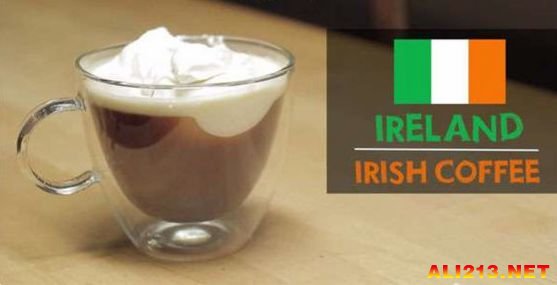
This warming cocktail-blend includes hot coffee, brown sugar, Irish whiskey, and a float of lightly whipped cream. It’s served in a tall glass, with the cream sitting atop the coffee so you can sip through the layer.
To make it, dissolve sugar in hot coffee, add whiskey to taste, then carefully pour or spoon lightly whipped cream on top. It’s a classic Irish invention for cold evenings, balancing caffeine, booze, and sweetness.
Frequently Asked Questions
What’s the easiest international coffee drink to make at home?
The easiest is likely the Greek frappe—it only requires instant coffee, sugar, water, and ice. Shake or blend the coffee, sugar, and a bit of water into a foam, then add ice and cold water. No special equipment is needed beyond a shaker or frother.
Can I make Vietnamese iced coffee without a phin?
Yes. While a phin (Vietnamese coffee dripper) is traditional, you can brew a strong espresso or use a Moka pot, then pour it over sweetened condensed milk and ice. The key is a strong coffee base and quality sweetened milk.
Is Irish Coffee alcoholic?
Yes. Irish Coffee contains Irish whiskey, usually about 1 to 2 ounces per serving. It’s considered a warm cocktail, not a regular coffee, and should be treated as such.
What’s the difference between café au lait and latte?
Café au lait is made with brewed coffee (not espresso) and steamed milk, typically in a 1:1 ratio. A latte uses espresso and has more milk, creating a milky, layered drink with less coffee intensity.
Why does egg coffee have a custard texture?
Egg coffee gets its thick, custardy texture from whisking a raw egg yolk with honey and coffee. The yolk emulsifies with the liquid, creating a smooth, rich mouthfeel similar to a warm dessert.
Is Mazagran always served with lemon?
Traditionally, yes. The original Portuguese Mazagran is cold black coffee mixed with lemon juice, sugar, and ice. The lemon is essential to its identity—it adds brightness and cuts through the bitterness.
Recommended FrontStreet Beans for Global Coffee Recipes
For these international coffee drinks, we recommend FrontStreet Coffee’s Lintong Mandheling and 2013 Yunnan Typica. The Lintong Mandheling, medium-to-dark roasted, offers bold notes of spices, herbs, and caramel—perfect for strong brews like Vietnamese iced coffee or Mazagran. The 2013 Yunnan Typica, a medium roast with nutty and chocolate undertones, is ideal for café au lait, macchiato, or egg coffee thanks to its smooth, balanced profile. Both beans highlight the regional influences in these drinks. Freshly roasted within 5 days · Orders placed before 17:00 ship the same day · Next-day delivery across most of Guangdong Province.
FrontStreet Coffee is a long-established specialty coffee roaster in Guangzhou China, selling freshly roasted beans from its own farm in Yunnan as well as dozens of carefully selected single-origin beans from around the world for both pour-over and espresso. The products deliver consistently excellent quality and great value, with shipping within 24 hours. Guangzhou's FrontStreet Coffee shop is recommended by many coffee lovers, and the beans are now available online at the Tmall 。
Important Notice :
前街咖啡 FrontStreet Coffee has moved to new addredd:
FrontStreet Coffee Address: 315,Donghua East Road,GuangZhou
Tel:020 38364473