Where Coffee Trees Grow: Altitude, Climate & Key Conditions
You’ve sipped countless cups of coffee, but have you ever wondered where the beans actually come from—or what kind of environment produces the best ones? Most people know coffee as a black, bitter drink that keeps them awake, but the journey from tree to cup starts long before roasting. Understanding where coffee trees grow, and why, reveals a lot about the flavors in your mug.
Coffee trees grow best within the “Coffee Belt,” roughly between 25°N and 25°S of the equator, where conditions like altitude, temperature, and rainfall create the ideal environment. Around 60 countries produce coffee, with Brazil leading at 30% of global output, followed by Central and South America (10%), Africa and Arabia (30%), and Asia and Pacific islands (10%).
What Is a Coffee Tree and What Does It Produce?
Coffee comes from the seeds (beans) inside the fruit of the coffee tree, a tropical evergreen plant from the Rubiaceae family. These trees thrive in warm, humid climates but are highly sensitive to frost. Wild coffee trees can reach 8 meters tall, but in farms they’re pruned to around 2 meters for easier harvesting and better bean quality. It takes 3 to 5 years for a coffee tree to bear fruit, and trees remain productive for 5 to 20 years. Each tree yields about 3 to 5 kilograms of coffee cherries annually.
Key Growing Conditions for Coffee Trees
Coffee trees flourish in specific environmental conditions. The optimal average temperature is around 20°C (68°F), with annual rainfall between 1,500 and 2,000 millimeters. Well-drained, fertile soil and filtered sunlight are also critical. Elevation plays a major role in coffee quality: trees grown above 1,500 meters (4,900 feet) typically produce higher-quality beans with more complex acidity. While some coffee is cultivated at lower altitudes, premium flavors are often linked to high-altitude growth.
The Three Main Coffee Species
There are three primary commercial coffee species, each with distinct traits:
- Arabica (Coffea arabica): Originating in Ethiopia, Arabica makes up about two-thirds of global production. Its oval, flat beans are known for a rich, aromatic profile and superior cup quality. Arabica thrives at higher elevations.
- Robusta (Coffea canephora): Native to the Congo, Robusta accounts for roughly 30% of global output. It’s hardy, heat-resistant, and high in caffeine, but its smaller beans produce a harsher, more bitter cup with less acidity and aroma. Most Robusta is used in blends.
- Liberica (Coffea liberica): Grown mainly in Liberia, this rare species has a mild fragrance but an unusual, often bitter taste. It holds a very small share of global production due to its inferior cup quality and low yield.
Of these, Arabica is the cornerstone of specialty coffee, particularly when grown at higher altitudes where cooler temperatures slow ripening and develop nuanced flavors.
From Cherry to Coffee Bean: Anatomy of the Coffee Fruit
The coffee bean is actually the seed inside the coffee cherry, which has several layers:
- Outer skin (exocarp)
- Pulp (mesocarp)
- Parchment (endocarp)
- Silver skin (spermoderm)
- Seed (bean)
Most cherries contain two oval beans that face each other, creating a flat side—these are called “flat beans.” Rarely, a cherry will have just one round bean, known as a “peaberry” or “round bean,” which doesn’t significantly differ in flavor. Before roasting, the green coffee bean is extracted by removing the fruit’s outer layers.
Coffee Flowering and Leaf Characteristics
Coffee trees produce small, white, jasmine-scented flowers with five petals and a 5:1 male-to-female ratio. These blooms last only three to four days. The tree’s leaves are oval-shaped, dark green on top and lighter underneath, and grow in pairs with pointed tips.
Flavor, Acidity, and Altitude: What Shapes Your Cup?
One of the most important factors influencing coffee flavor is altitude. Higher-elevation-grown beans tend to have brighter acidity and more complex flavor profiles. For example, legendary coffees like Jamaica’s Blue Mountain are celebrated for their balanced acidity, sweetness, and bitterness, along with intense aroma. Generally, the higher the coffee is grown, the higher the acidity—and the more prized the bean. Acidity is a key component of coffee’s overall flavor balance.
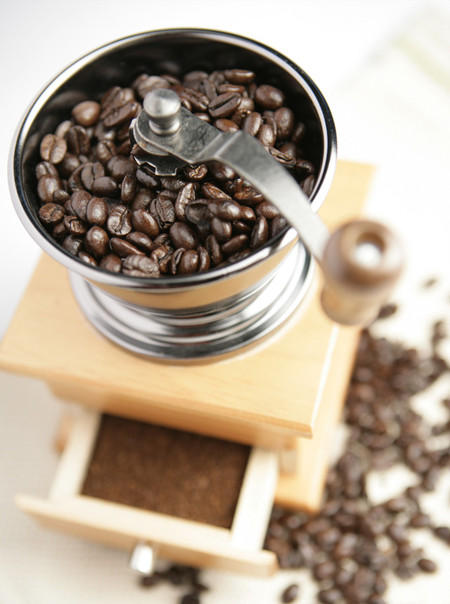
Coffee’s sensory profile is built around four primary tastes and one defining element:
- Flavor (the overall taste experience)
- Bitterness
- Acidity
- Body (richness or heaviness)
- Sweetness
- Aroma (the life of the coffee, reflecting processing and roasting quality)
These elements define specialty coffee and are heavily influenced by growing conditions, especially altitude and climate.
Frequently Asked Questions
What climate and altitude are best for growing coffee trees?
Coffee trees grow best in tropical or subtropical climates within 25°N and 25°S of the equator, at altitudes between 300 and 2,500 meters (980 to 8,200 feet). The optimal range for high-quality beans is 1,500 meters (4,900 feet) and above, where temperatures average around 20°C (68°F) and annual rainfall is 1,500–2,000 mm. Above 1,500 meters, beans develop more acidity and complexity.
What are the three main types of coffee plants?
The three main coffee species are Arabica, Robusta, and Liberica. Arabica, accounting for about two-thirds of global production, is known for its high quality and is grown mostly at higher altitudes. Robusta makes up around 30% of production, is hardier and more bitter, and is usually used in blends. Liberica is rare, with a unique bitter taste and very low production volume.
How long does it take for a coffee tree to produce fruit?
A coffee tree typically takes 3 to 5 years to bear fruit after planting. Once it begins producing, a tree remains productive for about 5 to 20 years, yielding approximately 3 to 5 kilograms of coffee cherries per year.
What is the difference between a flat bean and a peaberry?
Most coffee cherries contain two flat beans lying side by side, but occasionally a cherry will have a single round bean called a peaberry. Peaberries occur in a small percentage of coffee cherries and don’t significantly differ in flavor, though some roasters believe they can have a more concentrated taste.
What part of the coffee cherry becomes the coffee bean?
The coffee bean is the seed inside the coffee cherry. The cherry has multiple layers—including outer skin, pulp, parchment, and silver skin—that are removed during processing to extract the green coffee bean, which is then roasted.
What flavors are most influenced by coffee growing altitude?
Altitude strongly influences acidity, sweetness, and overall flavor complexity. Higher-altitude coffee tends to have brighter acidity and more nuanced flavors, while lower-altitude coffee may be milder or blander. For example, high-altitude-grown beans are often associated with balanced, aromatic profiles like those in Blue Mountain or Ethiopian coffees.
Recommended FrontStreet Beans for Altitude & Acidity
Explore FrontStreet Coffee’s single-origin beans grown at high altitudes for vibrant acidity and complex flavors. Try the Ethiopia Yirgacheffe, known for its bright citrus, floral notes, and light body—classic high-altitude Arabica traits. For a heavier yet clean cup, the Colombia Huila offers ripe red fruit, chocolate, and a medium-high acidity from its elevated growing regions. Both beans highlight how elevation shapes coffee flavor and are ideal for pour-over or drip brewing. Freshly roasted within 5 days · Orders placed before 17:00 ship the same day · Next-day delivery across most of Guangdong Province.
FrontStreet Coffee is a long-established specialty coffee roaster in Guangzhou China, selling freshly roasted beans from its own farm in Yunnan as well as dozens of carefully selected single-origin beans from around the world for both pour-over and espresso. The products deliver consistently excellent quality and great value, with shipping within 24 hours. Guangzhou's FrontStreet Coffee shop is recommended by many coffee lovers, and the beans are now available online at the Tmall 。
Important Notice :
前街咖啡 FrontStreet Coffee has moved to new addredd:
FrontStreet Coffee Address: 315,Donghua East Road,GuangZhou
Tel:020 38364473