How Coffee Roasting Unlocks the World’s Richest Aromas
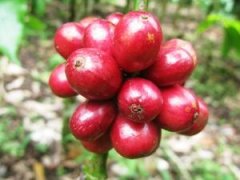
Ever grabbed a handful of green coffee beans and recoiled at the sharp, earthy smell? That’s not your imagination—it’s how raw coffee actually smells. But the same beans, when roasted the right way, unleash some of the most complex and intense aromas found in food. The transformation is nothing short of alchemical.
The secret? Proper roasting ‘activates’ up to 800 aromatic compounds hidden in high-altitude Arabica beans, turning bland green seeds into a powerhouse of fragrance and taste.
What Happens During Coffee Roasting?
Raw coffee beans are chemical storehouses. Scientists have identified over 2,000 chemical components in green Arabica beans, including 700 to 850 aromatic compounds—far more than in vanilla (150) or wine. But these fragrant compounds don’t release on their own. They need heat to trigger a series of chemical reactions that create coffee’s signature scent.
During roasting, beans lose 10–25% of their weight (depending on roast level) as moisture evaporates and their volume expands by 60%. Heat also causes carbon dioxide to release—a process that continues for up to 30 days post-roast. This outgassing actually helps preserve freshness by blocking oxygen, which degrades flavor. That’s why coffee tastes best within a week of opening.
The Science of Roast Development
Roasting’s magic lies in balancing two competing processes: caramelization and carbonization. Around 200°C (392°F), beans start losing moisture, and at 220°C (428°F) or higher, the first major reactions kick in. Sugars break down, acids develop, and the first pops—known as the ‘first crack’—occur around 6–7 minutes in, signaling the start of significant flavor formation. This is when coffee oils and acids like nicotinic acid, citric acid, quinic acid, malic acid, acetic acid, and caffeine begin interacting to form the coveted coffee crema.
But push too far, and desirable compounds start turning into bitter, burnt notes. The challenge for roasters? Maximize caramelization while minimizing carbonization. The result? Aromatic richness without harshness.
How to Read a Roast by Sight, Sound, and Smell
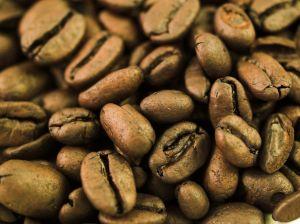
Experienced roasters judge roast level by visual cues, sound, and aroma. Beans shift from grey to golden yellow, then light brown, developing surface oil as they darken to reddish-brown and eventually blackish-brown. Over-roasted beans turn dry, emit blue smoke, and smell acrid—signs of burning. The sweet spot? Between light brown and glossy dark brown.
Sound is equally critical. Most beans produce two cracks: the first (low and sparse, around 7 minutes for heat-resistant beans like Mandheling or Antigua) signals starch converting to sugar; the second (sharp and intense, around 12 minutes) means cell walls are breaking down. Roasting beyond this risks flavor loss. Delicate beans like Brazilian or Javanese types crack earlier, demanding tighter heat control.
Measuring Roast Level with Data
Traditional terms like ‘Cinnamon’ (very light), ‘City’ (light), ‘Full City’ (medium-dark), and ‘Dark Roast’ (espresso/french) vary by region. A lighter ‘City’ roast on the West Coast might match a ‘Dark’ roast on the East Coast. To standardize, the Specialty Coffee Association and companies like Seattle’s Best Coffee now use Agtron numbers—a spectrophotometer measure of caramelization. Higher Agtron values mean lighter roasts (70+ = Cinnamon, 60+ = City), while lower values indicate darker roasts (35– = French/Espresso).
Flavor changes with roast depth: acidity decreases as roast intensity increases, while bitterness and body rise. Light roasts preserve more fruity, acidic notes and higher caffeine levels (since caffeine breaks down under heat), but lack the roasty, bold flavors of dark roasts. However, poorly executed dark roasts can turn harsh and acrid.
The Great Roast Debate: Light vs. Dark
The coffee world is split over ideal roast levels. In Northern Italy and the U.S. East, roasters often stop just before beans release oil (Agtron ~40), arguing that preserving aromatic oils and achieving balanced acidity and sweetness requires halting roast development before the second crack. They claim oil on the surface leads to flavor loss.
Meanwhile, U.S. West Coast and Southern Italian roasters (like Peet’s Coffee, Artisan Coffee, and Beans & Machines) insist beans must develop surface oil for full flavor. Their espresso roasts often measure below Agtron 35. They argue that post-second-crack roasting unlocks deeper, richer, and more intense profiles—though poor technique can result in burnt, unpleasant cups.
Roasting Methods: Drum vs. Hot Air
Professional roasters also divide along equipment lines: drum roasters (‘slow roasters’) and hot air roasters (‘fast roasters’). Drum roasters, like those used by Peet’s and Verve, slowly agitate beans with heated metal blades, taking 11–25 minutes. Advocates say gradual heating preserves cellular structure and develops complex flavors.
Hot air roasters, using high-speed airflow (3–15 minutes), roast faster and with less weight loss, making them popular for mass production (e.g., McDonald’s, Burger King). But fast roasting often highlights brighter, more acidic notes, while slow roasting emphasizes deeper, smoother, and sweeter profiles. Faster roasting retains more chlorogenic acids—which can taste overly sharp—while slower roasting breaks them down for smoother cups, especially crucial for espresso.
Chlorogenic Acids and Coffee Acidity
Raw beans contain chlorogenic acids, responsible for bitterness and astringency. Arabica beans have about 6% chlorogenic acids; Robusta, with more caffeine, contains around 10%, contributing to its harsher taste. These acids degrade during roasting, and the speed matters: faster roasting leaves more acids intact, resulting in sharper cups, while slower roasting smooths them out. That’s why espresso roasts typically favor slower, controlled development.
Beyond chlorogenic acids, beans also contain beneficial organic acids (citric, malic, phosphoric, acetic, and quinic) that shape brightness and complexity. In light roasts, a balanced mix of 30+ organic acids creates vibrant fruitiness—but if one dominates, the cup turns unbalanced. Darker roasts reduce these acids, muting acidity but enhancing roasty, bitter-sweet notes.
Frequently Asked Questions
What makes roasted coffee smell so much better than green beans?
Green coffee beans contain over 800 aromatic compounds locked inside, but they don’t release naturally. Roasting triggers chemical reactions—like caramelization and the Maillard reaction—that break down compounds and release the rich, complex fragrances we associate with coffee. Without roasting, you’re just smelling raw, earthy plant material.
How does roast level affect coffee flavor?
Lighter roasts preserve more acidity, fruity notes, and higher caffeine levels, with a brighter, more nuanced taste. Darker roasts develop bolder, bitter-sweet, and roasty flavors, with lower acidity and less caffeine due to breakdown during extended heat exposure. The balance between sweetness, bitterness, and acidity shifts dramatically with roast depth.
What’s the difference between first and second crack in roasting?
The first crack (around 6–7 minutes) signals starch converting to sugar and moisture escaping, marking the start of significant flavor development. The second crack (around 12 minutes) indicates cell wall breakdown and oil release. Roasting beyond the second crack risks burning the beans and creating harsh, unpleasant flavors.
What are Agtron numbers and how are they used?
Agtron numbers measure roast color and caramelization using infrared spectroscopy. Higher values (70+) indicate lighter roasts (e.g., Cinnamon), while lower values (35–) indicate darker roasts (e.g., French/Espresso). They provide a standardized way to describe roast levels, avoiding regional biases in terms like ‘light’ or ‘dark.’
Does roasting time affect coffee quality?
Yes. Longer, slower roasting (11–25 minutes) allows for more even heat application and complex flavor development, preserving cellular structure. Shorter, faster roasting (3–15 minutes) can highlight acidity but may also retain more bitter chlorogenic acids if not controlled, impacting smoothness and balance.
Which roasting method is better: drum or hot air?
Drum roasters (slow) provide gradual, even heat for complex, smooth flavors, favored by specialty roasters. Hot air roasters (fast) roast more quickly with less weight loss, often used for mass production. Each method influences acidity, body, and roast development differently, with no universally ‘better’ option—just different flavor outcomes.
Recommended FrontStreet Beans for Roast Exploration
For exploring roast impact, try FrontStreet Coffee’s Classic Blend (balanced medium-dark with chocolate and nutty notes), Black Cocoa Blend (bold dark roast with roasted chestnut and cocoa tones), or Strawberry Candy Espresso (medium roast with bright berry and caramel sweetness). These showcase how roast levels shape flavor—from bright and sweet to deep and intense. Freshly roasted within 5 days · Orders placed before 17:00 ship the same day · Next-day delivery across most of Guangdong Province.
FrontStreet Coffee is a long-established specialty coffee roaster in Guangzhou China, selling freshly roasted beans from its own farm in Yunnan as well as dozens of carefully selected single-origin beans from around the world for both pour-over and espresso. The products deliver consistently excellent quality and great value, with shipping within 24 hours. Guangzhou's FrontStreet Coffee shop is recommended by many coffee lovers, and the beans are now available online at the Tmall 。
Important Notice :
前街咖啡 FrontStreet Coffee has moved to new addredd:
FrontStreet Coffee Address: 315,Donghua East Road,GuangZhou
Tel:020 38364473