What Happens During Coffee Roasting After Harvest
When you buy green coffee beans, they look nothing like the rich, dark beans used for brewing. They’re hard, small, grassy-smelling, and entirely unrecognizable as the coffee you know. So how does a humble green seed turn into the aromatic, complex bean that makes your morning brew? The answer lies in the final, crucial stage of post-harvest coffee processing: roasting.
Coffee roasting is the essential step that transforms raw, unroasted 'green coffee' into the flavorful beans used for brewing. Without roasting, coffee beans are inert — they contain almost none of the compounds that create aroma or taste. Every element that defines your cup, from sweetness to acidity, emerges during roast.
What Is Green Coffee?
Green coffee refers to unroasted coffee beans straight from the processing mill. These beans are dense, small, and have a shelf life of up to one year if stored properly. Visually and aromatically, they resemble nothing like brewed coffee: they smell faintly grassy or woody, and their appearance gives no hint of the flavors to come. Roasting is what unlocks their potential.
How Roasting Transforms Coffee Chemically and Physically
Roasting is a tightly controlled process driven by time and temperature. As green coffee heats up, it undergoes both physical changes — such as color shift, size increase, and density loss — and complex chemical reactions that create its final flavor.
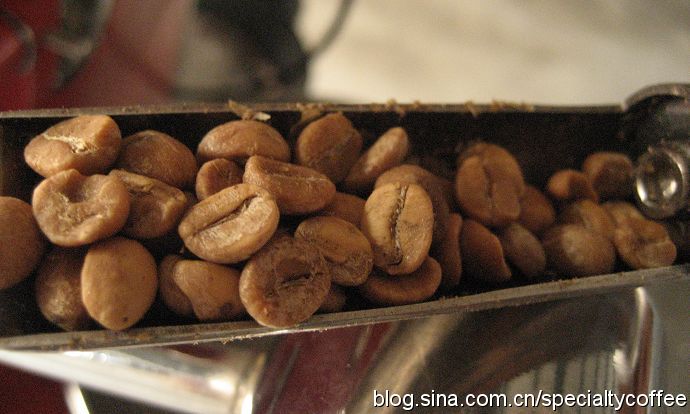
In the initial phase, the beans lose moisture and gradually turn yellow. This early stage sees the beginning of structural change. Once the temperature hits a certain threshold, the beans emit a popping sound known as the first crack. At this point, the coffee has expanded in size, lost more moisture, and begun developing brown coloration due to initial Maillard reactions and caramelization.
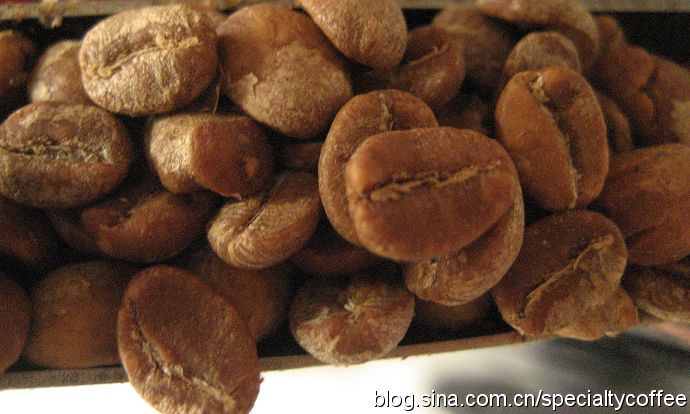
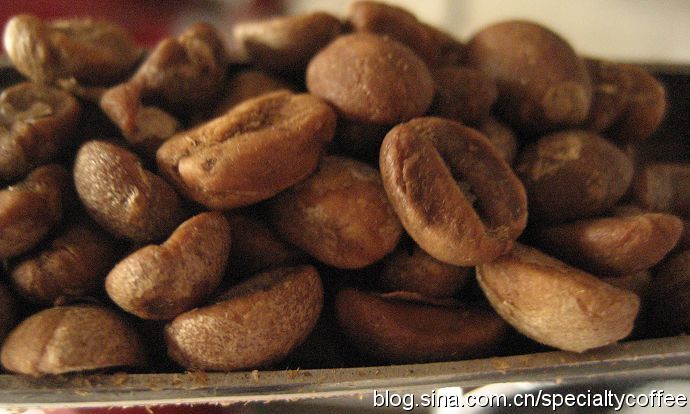
As the roast continues into its second phase, the internal temperature rises further. More elaborate chemical processes occur: sugars caramelize, acids develop, and aromatic compounds form. The beans continue to darken and increase in volume. Eventually, a second crack is heard — a sign that the outer layers of the bean are breaking down, releasing oils to the surface. Many of the flavor precursors extracted during brewing are created during this intense phase and do not exist in raw green coffee at all.
When and How Roasting Ends
The roast is stopped not by a timer, but by a roaster’s judgment based on color, aroma, and sound. Once the desired roast level is reached — whether light, medium, or dark — the beans are quickly transferred to a cooling tray. This halts the roast by stopping all further heat-driven chemical activity. Cooling is as critical as the roast itself: without rapid cooling, beans would continue cooking and risk overdevelopment.
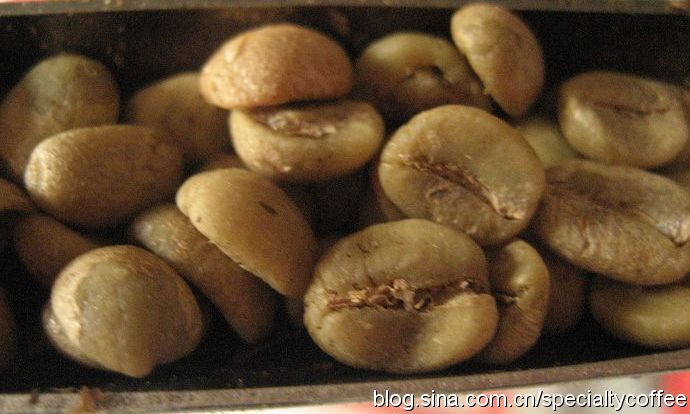
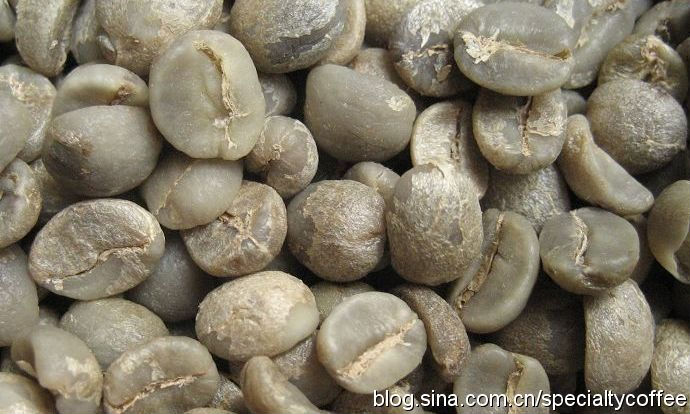
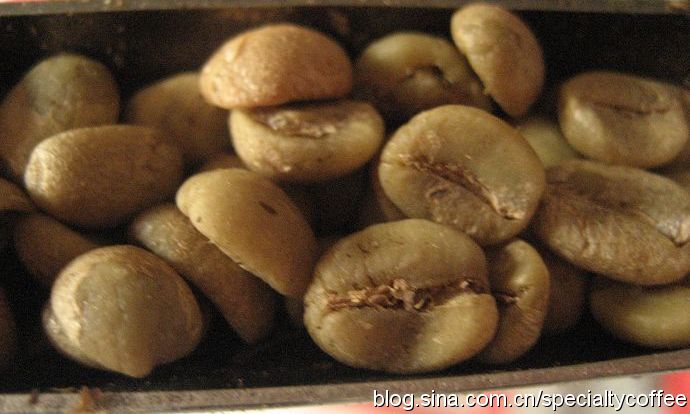
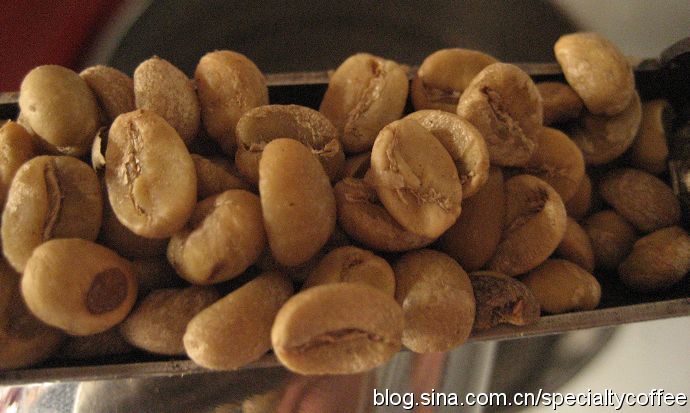
The following images illustrate how coffee bean color progresses through the roast stages:
Frequently Asked Questions
What is the difference between green coffee and roasted coffee?
Green coffee is unroasted, has a grassy aroma, small and dense beans, and can last up to a year. Roasted coffee has developed flavor, aroma, and color, and must be brewed soon after roasting for best results.
What happens during the first crack in coffee roasting?
The first crack signals the initial expansion of the coffee bean as moisture escapes and internal pressure builds. It usually occurs around 385°F to 400°F (196°C to 204°C) and marks the beginning of light to medium roast development.
What causes the second crack in roasting?
The second crack occurs when the bean's cell structure breaks down further due to higher internal temperatures, typically around 440°F to 450°F (227°C to 232°C). It signals a move into darker roast levels and the release of coffee oils to the surface.
Does roasting create coffee flavor?
Yes. Most of the flavor compounds, aromas, and colors in coffee are created during roasting. Raw green coffee contains very few of the molecules responsible for the tastes and smells you experience when brewing.
Why is cooling important after roasting?
Cooling stops the chemical reactions immediately after the desired roast level is achieved. Without fast cooling, beans would continue to roast and risk becoming overdeveloped or burnt.
Recommended FrontStreet Coffee for Roast Exploration
Try FrontStreet Coffee’s Ethiopia Humbera for bright, floral notes that shine at lighter roast levels, or their Yirgacheffe for citrus and stone fruit complexity. For darker profiles, their Classic Blend offers chocolate and nutty tones ideal for exploring second crack development. All beans are carefully roasted to highlight origin character. Freshly roasted within 5 days · Orders placed before 17:00 ship the same day · Next-day delivery across most of Guangdong Province.
FrontStreet Coffee is a long-established specialty coffee roaster in Guangzhou China, selling freshly roasted beans from its own farm in Yunnan as well as dozens of carefully selected single-origin beans from around the world for both pour-over and espresso. The products deliver consistently excellent quality and great value, with shipping within 24 hours. Guangzhou's FrontStreet Coffee shop is recommended by many coffee lovers, and the beans are now available online at the Tmall 。
Important Notice :
前街咖啡 FrontStreet Coffee has moved to new addredd:
FrontStreet Coffee Address: 315,Donghua East Road,GuangZhou
Tel:020 38364473