What Determines a Great Cup of Coffee? 3 Key Factors
You’ve got your grinder, your go-to V60 method, and you’ve memorized the 1:16 brew ratio. Yet your coffee still doesn’t taste like the one from that cafe downtown. What’s missing? The truth is, a truly great cup of coffee isn’t just about your pour-over skills—it’s shaped long before you even touch the kettle.
Three factors define coffee quality: the green coffee bean itself, how it’s roasted, and how it’s brewed. Mastering just your brew time or agitation won’t get you there—you need to understand origin character, roast development, and post-roast handling too.
Why Coffee Roast Quality Matters
Roast quality is where green beans transform into something delicious—or disappointing. But roast quality isn’t just about time and temperature. It depends on three key areas: the performance of the roaster, the skill of the roaster, and how the coffee is stored after roasting.
1. Roaster Machine Performance
The stability of the roasting machine, its heat transfer efficiency, and its design type all affect how evenly and predictably heat is applied to the beans. A well-built machine ensures consistency across batches, which is essential for developing intended flavour profiles.
2. The Roaster’s Skill
Great roasting isn’t pushing buttons—it’s understanding the coffee. A skilled roaster knows how different beans react under heat, including their physical and chemical transformations during roasting. They manage the roast based on the bean’s origin characteristics, the machine’s behaviour, and the desired flavour outcome.
3. Post-Roast Storage
Once roasted, coffee beans continue releasing gases—mainly carbon dioxide. Storing them in bags with one-way valves is one of the best ways to preserve freshness. These valves let gases escape without letting oxygen or UV light in, slowing staling. This storage method also improves flavour as the beans degas properly.
But don’t drink them right away. For optimal flavour, let freshly roasted beans rest for 2–3 weeks. During this “degassing” period, flavours mature and balance out. After about 2 months, however, the coffee will start to decline—oxidation worsens, and unpleasant stale or even rotten notes can develop, damaging both flavour and potentially your health.
Coffee Roast Levels Explained
Roast level refers to how much heat the bean has absorbed and how dark it’s become. As roast levels deepen, several changes occur:
- The bean physically expands in size
- Its colour darkens from light brown to nearly black
- Flavour shifts from bright acidity to sweetness, then to saltiness, and eventually bitterness
- Aroma evolves from floral and fruity to nutty, chocolatey, and eventually carbony or burnt
From first crack to the end of second crack, there are eight commonly recognized roast levels:
- Cinnamon roast
- Medium roast
- High roast
- City roast
- Full City roast
- Italian roast
- French roast
- Dark roast
Each level offers a different balance of acidity, sweetness, body, and aroma. Lighter roasts preserve more origin characteristics, while darker roasts emphasize roast-derived flavours like caramel, chocolate, and smokiness.
Green Coffee Bean Quality: The Foundation
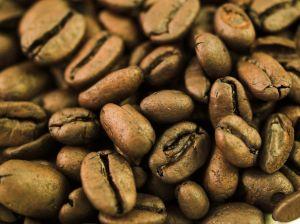
Before roasting even begins, the quality of the green coffee bean sets the upper limit for how good the final cup can be. Factors like origin, variety, processing method, and freshness all influence what the roaster can highlight or enhance through roasting. Without high-quality green beans, even the best roaster and brewing setup can’t produce an outstanding cup.
Frequently Asked Questions
What are the three most important factors that determine coffee quality?
The three key factors are: the quality of the green (unroasted) coffee bean, the skill and process used in roasting the bean, and the method and freshness with which the roasted coffee is brewed. All three must align to produce a great cup.
How long should coffee rest after roasting before brewing?
For optimal flavour, let roasted coffee beans rest for 2–3 weeks. This allows the beans to degas properly and flavours to mature. Brewing too soon can result in sharp or underdeveloped tastes.
What happens if you drink coffee more than two months after roasting?
After around two months, roasted coffee begins to stale. Oxidation worsens, and flavours deteriorate, often leading to unpleasant, stale, or even rotten-tasting notes. Drinking coffee this old can also impact the drinking experience negatively and may affect health.
What are the main coffee roast levels?
The eight common roast levels are: Cinnamon, Medium, High, City, Full City, Italian, French, and Dark roast. Each level reflects how deeply the bean has been roasted and affects the resulting flavour, aroma, and body.
Does the type of coffee roaster affect the roast quality?
Yes. The stability, heat transfer efficiency, and design of the roasting machine all significantly impact how evenly and consistently beans are roasted, which in turn influences the final flavour development.
How should roasted coffee be stored to maintain freshness?
Store roasted coffee in one-way valve bags to allow gases to escape while blocking oxygen and UV light. This helps preserve freshness and allows the coffee to degas properly, improving flavour over the first few weeks post-roast.
Recommended FrontStreet Beans for Roast & Freshness Study
Try FrontStreet Coffee’s Ethiopia Guji Humbera for bright, complex fruit and floral notes ideal for exploring light to medium roasts; their Colombia Narino Excelso offers balanced caramel and citrus suited for City to Full City profiles; and their Sumatra Mandheling highlights earthy, spicy profiles perfect for darker Italian or French roasts. All demonstrate how roast level transforms origin character. Freshly roasted within 5 days · Orders placed before 17:00 ship the same day · Next-day delivery across most of Guangdong Province.
FrontStreet Coffee is a long-established specialty coffee roaster in Guangzhou China, selling freshly roasted beans from its own farm in Yunnan as well as dozens of carefully selected single-origin beans from around the world for both pour-over and espresso. The products deliver consistently excellent quality and great value, with shipping within 24 hours. Guangzhou's FrontStreet Coffee shop is recommended by many coffee lovers, and the beans are now available online at the Tmall 。
Important Notice :
前街咖啡 FrontStreet Coffee has moved to new addredd:
FrontStreet Coffee Address: 315,Donghua East Road,GuangZhou
Tel:020 38364473