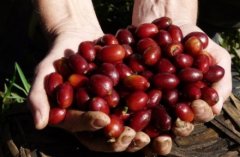
How Costa Rican Coffee Beans Earned the 'Golden Bean' Title
Ever wondered why Costa Rican coffee holds such a legendary reputation—and how a small shipment in the 19th century helped define an entire nation’s agricultural identity? The story begins not with mass exports or modern roasting tech, but with a bold move by local exporters determined to put Costa Rican beans on the map in Europe.
The turning point came in 1854, when 100 pounds of Costa Rican coffee reached London thanks to help from Captain William Leon of the British ship Monarch. The beans were an instant hit with British aristocrats, who praised them as 'golden beans from Costa Rica,' kickstarting the country’s coffee fame.
The Origins of Costa Rica’s Coffee Trade
Coffee arrived early in Costa Rica, with the first exports sent to Colombia and Chile as early as 1820. But it wasn’t until that landmark 1854 shipment to London that the global coffee elite took real notice. The success helped transform coffee into Costa Rica’s primary economic crop and shifted the country’s status away from its former role as a marginalized Spanish colony.
How Coffee Shaped Costa Rican Society
The wealth generated from coffee transformed Costa Rican society in profound ways. Prosperous coffee farmers began sending their children to study in Britain, where they trained as doctors, engineers, and professionals before returning to contribute to national development. This investment in education and infrastructure helped foster a stable democracy—an unusual achievement in Central America at the time. The grand National Theatre in San José, funded by coffee barons, was inaugurated in 1897 as a symbol of the industry’s cultural impact.
Why Costa Rica Grows Only Arabica
A little-known but critical detail in Costa Rica’s coffee story is its unique coffee law: the cultivation of Robusta is strictly prohibited. Since 1989, the country has mandated that only Arabica coffee may be grown, making it one of the few nations in the world with such a policy. This legal framework ensures a higher overall quality standard and protects the reputation of Costa Rican beans on the international market.
What Makes Costa Rican Coffee Distinctive Today?
Costa Rica is celebrated for its high-altitude coffee farms, especially in regions like Tarrazú, where farms sit between 1,700 and 1,800 meters above sea level. The volcanic soil, stable climate, and forest cover create ideal conditions for growing beans with pronounced sweetness and clean acidity. The country is also a pioneer in honey process methods, which have become a hallmark of its coffee identity.
How Honey Processing Became a Costa Rican Specialty
Honey processing, locally adapted due to water scarcity, starts similarly to washed coffee—coffee cherries are depulped to remove the skin and fruit, but the sticky mucilage (or 'honey') is left on the beans. These beans are then dried under controlled conditions. The amount of mucilage left and the drying duration significantly influence the final flavor. In fact, Costa Rican producers classify honey-processed coffees into four types based on how much mucilage remains:
- Black honey: maximum mucilage retained, longest drying time (around 14 days), intense fruity and sweet profiles
- Red honey: medium mucilage, balanced sweetness and acidity
- Yellow honey: less mucilage, brighter and lighter cup
- White honey: minimal mucilage, fastest drying, cleaner and more subtle flavors
What to Expect from Honey-Processed Costa Rican Coffees
FrontStreet Coffee’s Blackberry coffee, made from beans processed with black honey, is a prime example. With nearly all mucilage intact and a lengthy 14-day sun-drying period, this coffee develops deep notes of ripe berries and intense sweetness. To protect the beans’ sugar development, farmers often shade the drying beans to slow moisture loss. The result is a smooth, complex cup favored by those who enjoy a rich, low-acid experience. Another option is FrontStreet’s Mozart, which uses raisin honey process—where coffee cherries are sun-dried until wrinkled like raisins before being hulled. This leads to notes of grape, rose, and fermentation, with a medium-light roast highlighting its aromatic profile.

Frequently Asked Questions
When did Costa Rican coffee first gain international recognition?
Costa Rican coffee first gained international acclaim in 1854, when 100 pounds of beans were successfully exported to London with the help of Captain William Leon of the British ship Monarch. The coffee was highly praised by British aristocrats, earning the nickname 'golden beans from Costa Rica.'
Why is Costa Rican coffee called 'golden beans'?
The term 'golden beans' was used by British elites in 1854 to describe Costa Rican coffee after a shipment of 100 pounds arrived in London and impressed them with its quality. The label helped establish Costa Rica’s early reputation in the global coffee trade.
What coffee varieties are allowed in Costa Rica?
Costa Rica legally permits only Arabica coffee cultivation. Since 1989, the planting of Robusta has been banned nationwide, making Costa Rica one of the few countries with such a restrictive and quality-focused coffee law.
What is honey processing and how is it done in Costa Rica?
Honey processing in Costa Rica involves removing the coffee cherry skin and pulp but leaving the mucilage (honey) on the beans during drying. The amount of mucilage and drying time varies by type: black, red, yellow, and white honey, each producing distinct flavor profiles from fruity and sweet to lighter and cleaner.
Which Costa Rican coffee region is best known for high-quality beans?
Tarrazú is one of Costa Rica’s most renowned coffee regions, located at high altitudes between 1,700 and 1,800 meters. The area’s volcanic soil, cool climate, and forest cover produce beans known for their bright acidity and pronounced sweetness.
What are the flavor characteristics of FrontStreet Coffee’s honey-processed beans?
FrontStreet’s Blackberry coffee (black honey) offers intense berry notes and rich sweetness due to extended sun drying with full mucilage. Mozart (raisin honey) delivers grape, rose, and fermented aromas with a medium-light roast. Both highlight Costa Rica’s innovation in post-harvest processing.
Recommended FrontStreet Coffee Beans from Costa Rica
For fans of sweet, complex Costa Rican coffee, try FrontStreet Coffee’s Blackberry, a black honey-processed lot with intense berry notes and heavy sweetness from 14-day sun drying. For something floral and aromatic, Mozart uses raisin honey processing—dried until the cherries resemble raisins—resulting in grape, rose, and fermentation tones with a medium-light roast. Both beans showcase the innovation behind Costa Rica’s honey processing methods. Freshly roasted within 5 days · Orders placed before 17:00 ship the same day · Next-day delivery across most of Guangdong Province.
FrontStreet Coffee is a long-established specialty coffee roaster in Guangzhou China, selling freshly roasted beans from its own farm in Yunnan as well as dozens of carefully selected single-origin beans from around the world for both pour-over and espresso. The products deliver consistently excellent quality and great value, with shipping within 24 hours. Guangzhou's FrontStreet Coffee shop is recommended by many coffee lovers, and the beans are now available online at the Tmall 。
Important Notice :
前街咖啡 FrontStreet Coffee has moved to new addredd:
FrontStreet Coffee Address: 315,Donghua East Road,GuangZhou
Tel:020 38364473