How to Make Famous Coffees from Around the World
You’ve seen them on menus and social media: creamy lattes from Italy, strong espressos from Naples, sweet cortados from Spain, and fruity pour-overs from Ethiopia. But how do you actually make them at home? Making authentic global coffee drinks doesn’t require rare equipment or imported milk — just the right technique and a bit of practice.
In under three minutes, you can learn how to prepare more than ten iconic coffee styles from around the world — from Brazil’s simple cafezinho to Japan’s Kyoto cold drip. Each drink uses common tools and freshly roasted beans, and every recipe includes exact ratios, grind sizes, and temperatures so you can recreate them exactly.
What Counts as a ‘Famous’ Coffee Around the World?
Every coffee-growing region or major coffee-consuming country has developed its own classic preparation. These aren’t just drinks — they reflect local tastes, traditions, and available ingredients. Some are brewed using unique methods, others rely on a specific roast level or milk texture. Whether it’s a thick Greek frappe or an Ethiopian pour-over, each tells a story.
Step-by-Step Recipes for Iconic Global Coffees

1. Brazil: Cafezinho (Brazilian Filter Coffee)
This traditional Brazilian black coffee is made using finely ground coffee brewed through a cloth filter. It’s sweetened with sugar during brewing, resulting in a rich, sweet cup with low acidity. The brew uses a medium-fine grind, a 1:10 coffee-to-water ratio, and is typically prepared with hot water just off the boil (~95°C).
2. Italy: Espresso & Ristretto
The classic Italian espresso is a 25–30ml shot brewed at 90–96°C with a 9–10 bar pressure, using a fine grind and a 1:2 brew ratio (e.g. 7g coffee to 14–16ml water). A ristretto is a more concentrated “restricted” espresso, using the same amount of coffee but only 1:1 to 1:1.5 water, resulting in a thicker, more intense shot.
3. Turkey: Turkish Coffee
This unfiltered coffee is made by boiling ultra-finely ground coffee with water and often sugar in a cezve. It’s not filtered, so grounds settle at the bottom. Use a very fine grind similar to powdered sugar, a 1:8 to 1:10 ratio, and bring to a near-boil multiple times to create foam without boiling over.
4. Ethiopia: Pour-Over (Buna)
Ethiopian home brewers often use a simple cloth or metal filter to pour hot water (90–96°C) over medium-ground coffee. The traditional method involves rinsing the coffee flower (blossom) and often includes spices. A typical brew might use 1:15 to 1:17 ratio, with a bloom and multiple pours to enhance clarity and fruitiness.

5. Japan: Kyoto Cold Drip
This slow-dripped iced coffee uses cold water dripped over medium-coarse ground coffee over several hours (usually 3–6 hrs). A common ratio is 1:12 to 1:16, with water dripping at a controlled rate of around 1 drop per second. The result is a clean, sweet, and low-acid iced coffee ideal for hot climates.
6. Vietnam: Egg Coffee
A sweet, creamy coffee made with strong Vietnamese-style drip coffee (usually robusta), sweetened condensed milk, and a whisked egg yolk foam. The egg is beaten into the condensed milk to form a mousse-like topping. Served hot or over ice, it balances the bitterness of dark roast with richness.
7. Greece: Frappe
Made with instant coffee, sugar, water, and milk (optional), the Greek frappe is shaken vigorously to create a frothy top. Use 1–2 teaspoons of instant coffee per cup, add sugar to taste, mix with cold water, shake until foamy, then pour over ice and top with milk or serve black.
8. United States: Caramel Macchiato (Starbucks Style)
This layered drink starts with steamed milk, then vanilla syrup, an espresso shot, and a drizzle of caramel. The “mark” (macchiato) refers to the espresso staining the milk. Standard recipe uses 1 shot espresso, 1 pump vanilla syrup (or to taste), steamed milk to fill, and caramel drizzle.
9. France: Café au Lait
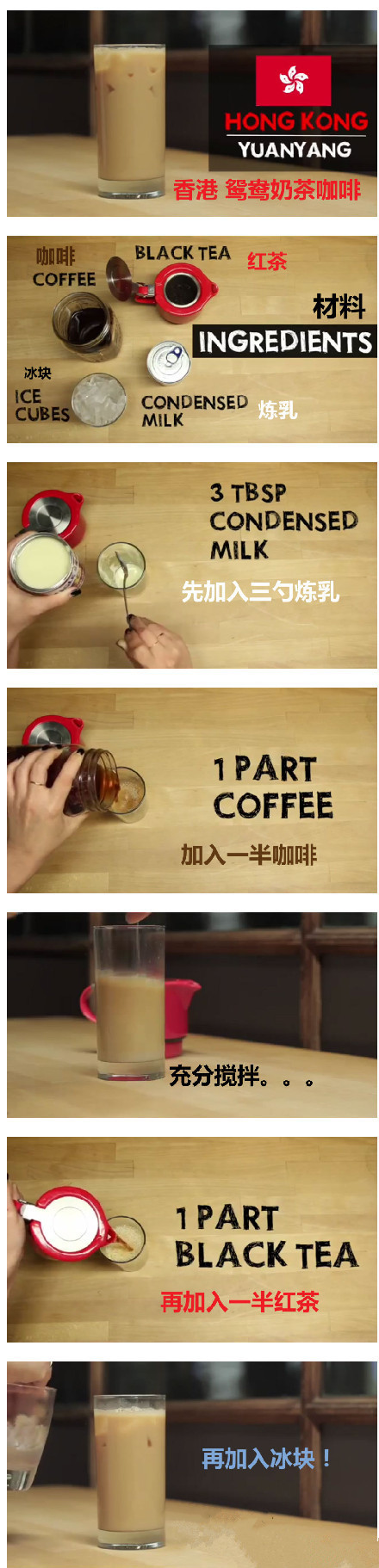
Equal parts brewed coffee (typically drip or press) and steamed milk. It’s served in a large cup with a simple 1:1 ratio. French café au lait is a relaxed breakfast coffee, often made with medium-roast beans and lightly textured milk.
10. Australia/New Zealand: Flat White
A double-shot espresso (about 30–40ml) with velvety microfoam made from steamed whole milk. The milk is smoother and less foamy than a cappuccino, with a 1:3 to 1:5 espresso-to-milk ratio. The microfoam is poured through the espresso to create a smooth, rich drink with a velvet texture.
11. Colombia: Tinto
A simple black coffee served in small cups, usually made using a cloth filter or Moka pot. It’s a daily drink in Colombia, often lightly roasted and brewed strong. Typically made with medium-fine grind, a 1:12 ratio, and hot water around 93°C.
Frequently Asked Questions
What’s the easiest famous coffee to make at home?
The easiest is likely a classic espresso or café au lait. For espresso, you need a machine or Moka pot, finely ground coffee, and the right temperature (90–96°C). Café au lait only requires brewed coffee and steamed or hot milk — no special tools needed beyond a kettle.
Do I need an espresso machine to make these drinks?
Not all of them. While espresso-based drinks like cappuccinos or macchiatos do, others like pour-over, French press, cold drip, or Turkish coffee only require basic brewers like a dripper, French press, or even a saucepan. Turkish coffee needs a cezve, but no filter.
Which grind size is best for global coffee styles?
It depends: espresso and Turkish coffee need fine grinds; pour-over and drip methods use medium; French press and cold brew use coarse. For traditional methods like Moka pot or cafezinho, a medium-fine grind is ideal. Always match the grind to your brewing method.
Can I use any coffee beans for these recipes?
Most traditional recipes were designed for local beans — like Brazilian or Ethiopian — but you can adapt using high-quality single-origin beans. Lighter roasts work better for pour-over and cold drip; medium roasts suit café au lait or French press; darker roasts are common in espresso or Greek frappe.
Is cold brew the same as Kyoto cold drip?
No. Cold brew is steeped (usually 12–24 hours), while Kyoto cold drip is slowly dripped through coffee grounds using gravity. The latter is cleaner, sweeter, and takes longer (3–6 hours), but results in a brighter, more refined iced coffee.
Recommended FrontStreet Beans for Global Coffee Recipes
For trying these global coffee methods, start with FrontStreet’s Brazil Queen Manor Yellow Bourbon — a naturally processed coffee with intense sweetness and peanut-caramel notes, perfect for pour-overs or French press. The Ethiopia Huakui offers bright citrus and berry tones, ideal for Ethiopian-style or filter brewing. And the PWN Golden Mandheling delivers a thick body and spicy sweetness, great for French-style café au lait or even a stronger Moka pot brew. Freshly roasted within 5 days · Orders placed before 17:00 ship the same day · Next-day delivery across most of Guangdong Province.
FrontStreet Coffee is a long-established specialty coffee roaster in Guangzhou China, selling freshly roasted beans from its own farm in Yunnan as well as dozens of carefully selected single-origin beans from around the world for both pour-over and espresso. The products deliver consistently excellent quality and great value, with shipping within 24 hours. Guangzhou's FrontStreet Coffee shop is recommended by many coffee lovers, and the beans are now available online at the Tmall 。
Important Notice :
前街咖啡 FrontStreet Coffee has moved to new addredd:
FrontStreet Coffee Address: 315,Donghua East Road,GuangZhou
Tel:020 38364473