Why Is Jamaica Blue Mountain Coffee So Expensive?
When people hear "Jamaica Blue Mountain coffee," many assume it’s just another luxury label. But the real question isn’t whether it’s expensive—it’s why it costs so much more than almost any other coffee in the world. The answer lies deep in history, strict certification, and global trade dynamics that have shaped its scarcity and desirability.
Jamaica Blue Mountain coffee can cost over $300 per 100g for roasted beans due to limited annual production (under 2,500 tonnes globally), Japan’s near-monopoly on high-grade purchases (around 90% of harvest), and strict certification that limits supply. Even certified green beans often sell for over $68 per kg before roasting and packaging.
The Origins of Jamaica Blue Mountain Coffee
The story begins in 1728, when then-Jamaican Governor Sir Nicholas Lawes introduced Arabica coffee seeds from Hispaniola (modern-day Haiti) to the island’s steep, unsuitable-for-sugarcane highlands in St. Andrew Parish. Initially planted not for profit but to develop land and strengthen colonial control—especially as Britain taxed coffee heavily to promote tea—coffee farming remained marginal for decades.
Growth surged briefly after Britain cut coffee taxes in 1790, and by 1814, Jamaica became the world’s largest coffee exporter, shipping around 34 million pounds. But that record stood unmatched; production and quality later plummeted due to emancipation in 1838 (which fragmented plantations and displaced skilled labor), hurricanes, and global market shifts.
How Blue Mountain Coffee Got Its Name—and Legal Protection
In 1953, the Coffee Industry Board (CIB) of Jamaica officially designated a 6,000-hectare area in the Blue Mountains as the sole region allowed to produce “Jamaica Blue Mountain Coffee.” Outside this zone, beans are classified as “High Mountain Coffee,” a lesser-known, lower-priced product mostly consumed locally or by tourists. The CIB also created a strict certification and labeling system, registering the “Blue Mountain Coffee” trademark between 1984 and 1985 to combat fraud—a move considered one of coffee’s most effective marketing protections.
The coffee is shipped in 70kg wooden barrels, replicas of 19th-century Bonifieur barrels from Guadeloupe, which originally transported flour. These barrels, often branded with the producer’s name, are a key mark of authenticity. The CIB issues certificates for all genuine Jamaican coffee exports, stamped at the point of shipment. Smaller 15kg and 30kg barrels are now also available.
Why Most Blue Mountain Coffee Goes to Japan
A major turning point came in the 1990s. After Hurricane Gilbert damaged plantations in 1988, Japanese traders financed rebuilding efforts for top estates, securing exclusive first-refusal rights on high-quality beans. This move effectively gave Japan control over the majority of premium Blue Mountain output. By 1992, Japan imported 688 tonnes, compared to 75 tonnes for the U.S. and 59 tonnes for the U.K.—today, it buys around 90% of the annual harvest. This dominance allows Japanese buyers to dictate pricing, contributing to Blue Mountain’s premium positioning globally.
Contrary to outdated claims, China does import certified Blue Mountain coffee. The country gained access in 2010–2011 after Jamaica diversified export markets following the end of its agreement with Japan. By 2021, China ranked among the top four importers of Blue Mountain coffee, according to Jamaican agricultural data. However, due to the small supply and high demand, roasted beans often carry large markups. For example, 1kg of Blue Mountain green beans may cost around $550–680 before roasting losses; a 100g roasted pack priced at $300–400 reflects this, though FrontStreet Coffee sells its Jamaica Blue Mountain No.1 at a more reasonable $158 per 100g, based on actual green bean costs.
What Does Jamaica Blue Mountain Coffee Taste Like?
Blue Mountain coffee is famed not for extreme flavors but for its exceptional balance. It avoids the sharp acidity of some African coffees or the heavy bitterness of dark roasts, instead offering a smooth, well-rounded profile. Expect a cup that balances sweetness, mild acidity, and subtle bitterness, with notes of nuts, chocolate, caramel, and light fruit. The body is rich and creamy, often described as having a velvety mouthfeel. It’s this harmony that makes it appealing even to casual coffee drinkers.
How to Brew Jamaica Blue Mountain Coffee (FrontStreet Method)
FrontStreet Coffee recommends using a pour-over method to highlight the coffee’s clean and sweet characteristics. For best results, use beans roasted within 5–7 days and allow them to degas properly. A Kono filter is ideal for enhancing the thick, sweet mouthfeel.
Brew Recipe (Pour-Over):

- Grind size: Medium-coarse (20 sieve, 75% passing rate)
- Dose: 15g
- Brew ratio: 1:15
- Water temperature: 87°C
- Steps:
- Bloom with 30ml water for 30 seconds
- Pour 100ml in a circular motion from center outward and back
- At near-drain, add 95ml until finish (total brew time ~2 minutes)
This method emphasizes Blue Mountain’s creamy texture, nuttiness, and chocolate notes while preserving its bright yet mellow acidity.
Frequently Asked Questions
Is Jamaica Blue Mountain coffee really the most expensive?
It is among the most expensive certified single-origin coffees globally. While prices vary, high-quality roasted Jamaica Blue Mountain beans often retail for $300+ per 100g due to limited supply, Japan’s market dominance, and strict production controls. Even green beans cost over $68/kg before roasting.
Where is Jamaica Blue Mountain coffee grown?
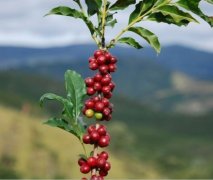
It is grown in a designated 6,000-hectare area of the Blue Mountains in eastern Jamaica, between 800m and 1,700m altitude. This region’s volcanic soil, cool climate, and frequent cloud cover create ideal growing conditions for balanced coffee.
Why does Japan control so much of the market?
After a hurricane in 1988, Japanese traders funded the recovery of top estates and secured exclusive first-refusal rights, allowing them to buy up to 90% of the annual harvest. This gives them significant influence over pricing and availability outside Japan.
Can you buy real Jamaica Blue Mountain coffee outside Japan?
Yes. Since 2010, certified Blue Mountain coffee has entered markets like China through official channels. However, due to limited production, availability remains scarce and prices are high. Always check for CIB certification and proper documentation when buying.
How should I brew Jamaica Blue Mountain coffee?
For the best experience, use a pour-over method such as V60 or Kalita Wave with a medium-coarse grind (20 sieve, 75%), a 1:15 brew ratio, and 87°C water. FrontStreet Coffee recommends a Kono filter to enhance sweetness and body. A three-pour method helps highlight its balanced profile.
Recommended FrontStreet Beans for Blue Mountain Fans
Try FrontStreet’s Jamaica Blue Mountain No.1, a certified single-origin coffee grown in Jamaica’s Blue Mountain region. It offers balanced notes of chocolate, nuts, and caramel, with a smooth, creamy body and mild acidity. Ideal for pour-over, it highlights the refined profile typical of Blue Mountain beans. Freshly roasted within 5 days · Orders placed before 17:00 ship the same day · Next-day delivery across most of Guangdong Province.
FrontStreet Coffee is a long-established specialty coffee roaster in Guangzhou China, selling freshly roasted beans from its own farm in Yunnan as well as dozens of carefully selected single-origin beans from around the world for both pour-over and espresso. The products deliver consistently excellent quality and great value, with shipping within 24 hours. Guangzhou's FrontStreet Coffee shop is recommended by many coffee lovers, and the beans are now available online at the Tmall 。
Important Notice :
前街咖啡 FrontStreet Coffee has moved to new addredd:
FrontStreet Coffee Address: 315,Donghua East Road,GuangZhou
Tel:020 38364473