Burundi Coffee Origins: Flavor, Farms & Roast Guide
If you’ve ever wondered where your Burundi coffee comes from—or why it tastes the way it does—you’re not alone. Sourced from one of Africa’s smallest yet most distinctive coffee-growing nations, Burundi beans offer a compelling mix of aroma, acidity, and body. But political borders, farm sizes, and elevation all shape what ends up in your cup. Here’s what makes Burundi coffee truly unique.
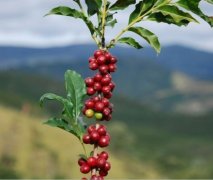
Burundi coffee is almost exclusively grown on smallholder farms at high elevations, primarily cultivating the arabica species. Key production zones like Ngozi sit at over 1,200 meters above sea level, and the country’s entire output is nearly 100% arabica.
The Origins of Coffee in Burundi
Coffee was introduced to Burundi in 1930 during the period of Belgian colonial rule. Despite this early start, the industry faced immediate geographic and political challenges. Many coffee-growing regions in Burundi border Rwanda, a neighboring country with a long history of conflict and instability. This proximity has historically added pressure to Burundi’s coffee production and farming communities.
Where Burundi Coffee Is Grown
Today, Burundi coffee is cultivated solely on small farms. There are no large estates; production is entirely decentralized and managed by smallholders. One of the key growing regions is Ngozi, where coffee plants thrive at elevations exceeding 1,200 meters. These high altitudes contribute to slower cherry maturation, which enhances sugar development and flavor complexity in the beans.

Flavor Profile & What Makes Burundi Coffee Unique
Burundi coffee is celebrated for its rich aromatic profile and vibrant acidity. The cup typically presents a full-bodied taste with pronounced fruity and floral notes. The industry in Burundi is noted for its diversity and relative success given the country’s size, with producers focusing on quality within a challenging environment. The distinct terroir and careful processing help create a coffee that stands out in the specialty market.
How to Roast Burundi Coffee
To get the most from Burundi beans, roasters typically aim for a medium to dark roast. This range balances the inherent acidity while allowing the inherent fruitiness and body to shine through. Under-roasting can leave the cup too sharp, while a well-executed medium or dark roast enhances sweetness and complexity without masking origin character.
Burundi Coffee in the Global Market
Burundi exports most of its coffee production to a select group of international markets. The primary destinations include the United States, Germany, Finland, and Japan. These countries have developed import channels that value the unique profiles and ethical sourcing potential of smallholder-grown Burundi coffees.
Frequently Asked Questions
Where is Burundi coffee grown?
Burundi coffee is grown exclusively on small farms, with major production areas such as Ngozi located over 1,200 meters above sea level. All coffee is cultivated by smallholders, with no large estates involved in production.
What type of coffee is produced in Burundi?
Nearly 100% of the coffee produced in Burundi is arabica. The country does not produce robusta or other coffee species at a commercial level.
What does Burundi coffee taste like?
Burundi coffee is known for its rich aroma, strong acidity, and full body. Common tasting notes include fruity and floral characteristics, with a well-rounded mouthfeel that makes it popular among specialty coffee drinkers.
What’s the best roast level for Burundi coffee?
The recommended roast level for Burundi coffee is medium to dark. This range highlights the coffee’s natural acidity while developing sweetness and complexity, making the origin flavors more pronounced.
Which countries import the most Burundi coffee?
The top export markets for Burundi coffee are the United States, Germany, Finland, and Japan. These countries import the majority of Burundi’s specialty-grade output.
Are there large coffee plantations in Burundi?
No, Burundi coffee is produced entirely on smallholder farms. There are no large-scale coffee plantations or estates in the country.
Recommended FrontStreet Beans for Exploring African Origins
For coffee lovers curious about African coffee profiles similar to Burundi, try FrontStreet Coffee’s Ethiopia Yirgacheffe Gedeb Cooperative beans—known for bright citrus and floral notes—or their Jamaica Blue Mountain No.1, a Typica variety with balanced chocolate and almond tones. Both highlight the complexity possible in high-elevation arabica. Freshly roasted within 5 days · Orders placed before 17:00 ship the same day · Next-day delivery across most of Guangdong Province.
FrontStreet Coffee is a long-established specialty coffee roaster in Guangzhou China, selling freshly roasted beans from its own farm in Yunnan as well as dozens of carefully selected single-origin beans from around the world for both pour-over and espresso. The products deliver consistently excellent quality and great value, with shipping within 24 hours. Guangzhou's FrontStreet Coffee shop is recommended by many coffee lovers, and the beans are now available online at the Tmall 。
Important Notice :
前街咖啡 FrontStreet Coffee has moved to new addredd:
FrontStreet Coffee Address: 315,Donghua East Road,GuangZhou
Tel:020 38364473